Why a travel plug can fit and still be unsafe
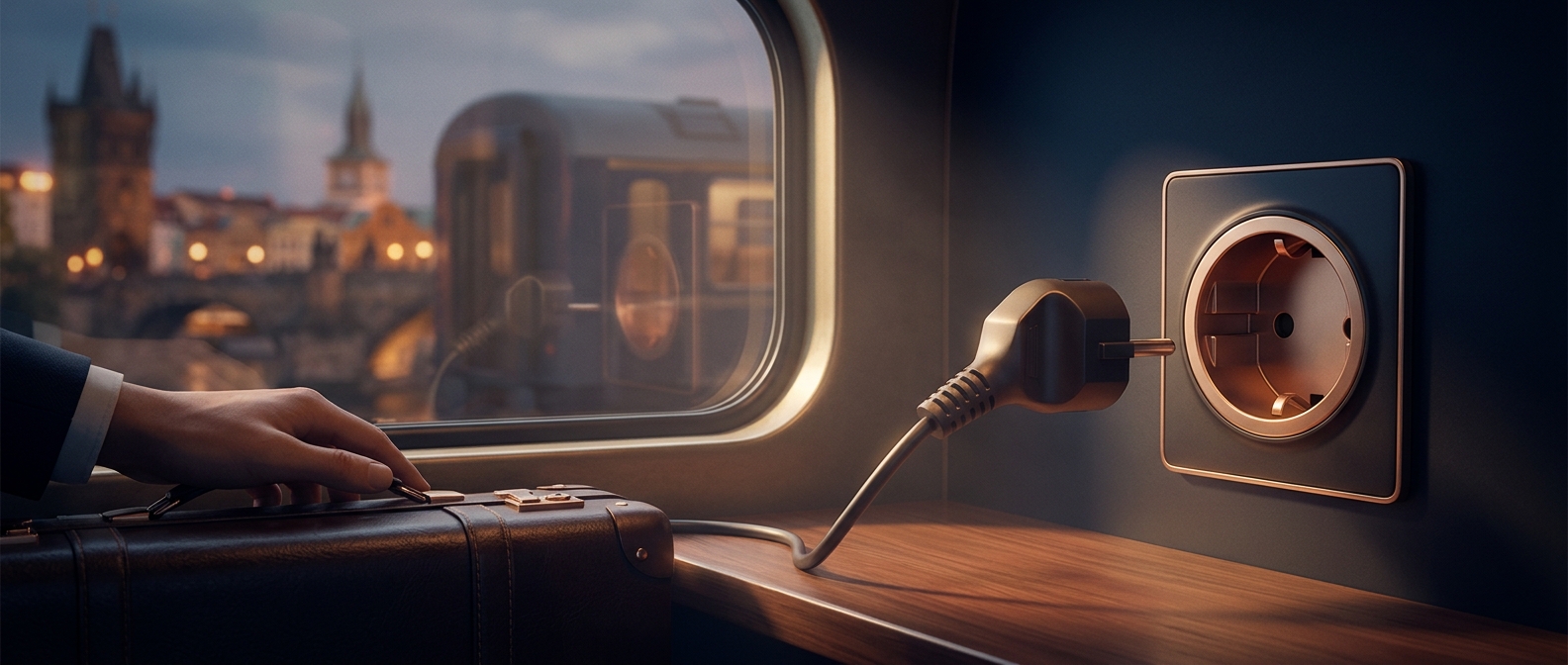
A plug adapter changes the shape of the connection so your device’s pins fit a different outlet. It does not change the electricity coming through that outlet. In much of Europe, household power is about 230 volts; in the United States, it is about 120 volts. A device designed only for the lower voltage may overheat or be damaged when connected to the higher one, even though the plug fits perfectly.
Read the small print on the device
Look for a label marked Input on the device or its power supply. If it lists a range such as “100–240 V,” it can accept both common voltage levels, so a plug adapter may be all you need. If it lists only one voltage—such as “120 V”—it is not automatically compatible with a 230-volt outlet.
Some appliances, including certain hair dryers and styling tools, draw enough power that using the wrong voltage can quickly cause overheating. A voltage converter or transformer may be needed for a single-voltage appliance, but it must be rated for that appliance’s power needs. A plug adapter alone offers no such protection.
Voltage is not the only specification
European power is generally supplied at 50 hertz, compared with 60 hertz in the United States. Many modern chargers handle both frequencies, but some devices—especially those with motors or clocks—may not work as intended. Checking the input label before packing can spare you a broken appliance, or reveal that your phone charger needs only a small change in plug shape.