Why Passport Photos Favor a Neutral Expression
A passport photo is meant to show a face in a repeatable, easy-to-compare position. A broad smile can raise the cheeks, narrow the eyes, and change the outline of the mouth and jaw. Those shifts do not make a person unrecognizable, but they can make a computer’s comparison less straightforward—especially when the reference image and the live face have different expressions.
That is why many passport-photo rules call for a neutral expression, with the mouth closed and the face directed toward the camera. The aim is consistency, not a claim that a smiling face cannot be identified.
What the Border Gate Compares
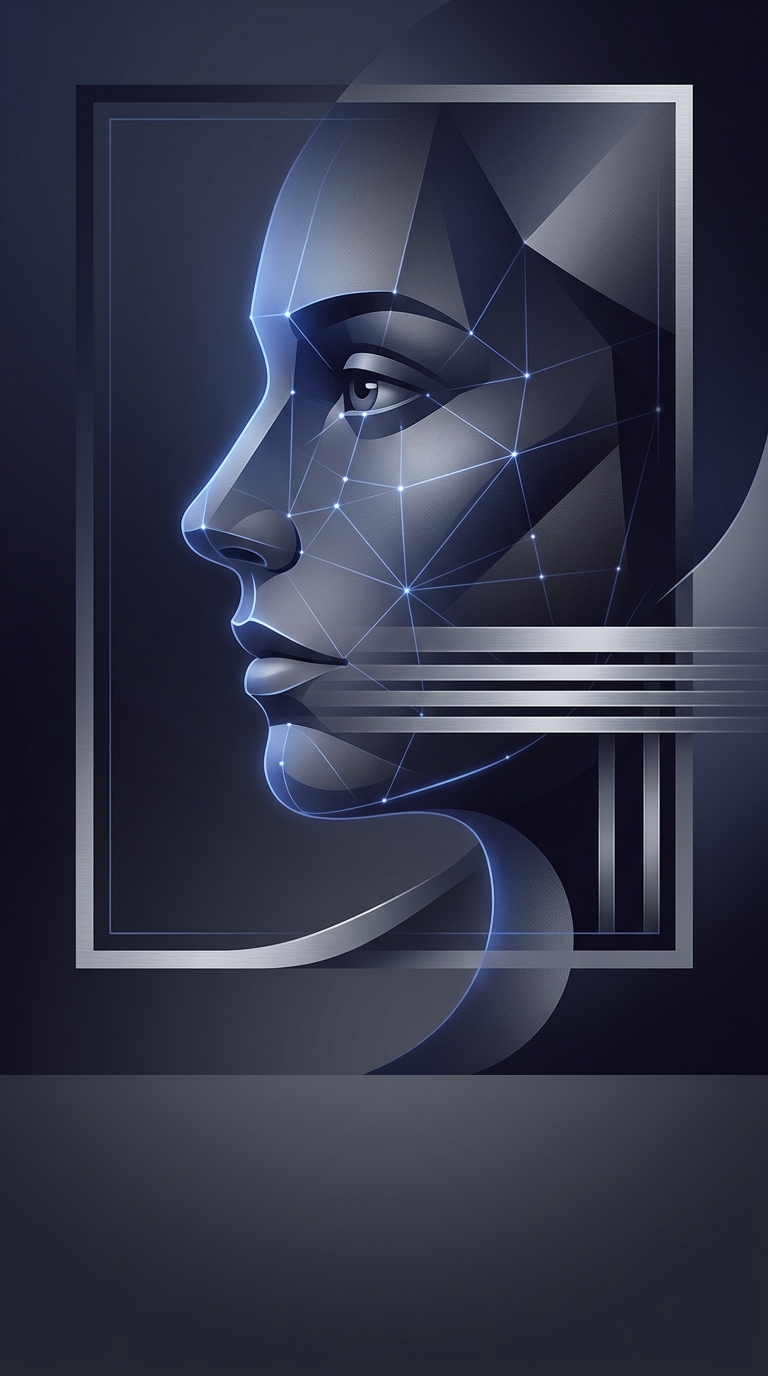
At an electronic gate, a camera captures the traveler’s face and software checks it against the passport’s stored image. The system analyzes patterns in facial features—their positions and shapes—rather than simply checking whether the traveler’s teeth are visible. Lighting, camera angle, and the way a face moves can also affect the comparison.
A neutral photo gives the system a steadier reference. The traveler may still smile or speak in ordinary life; the important point is that the face presented for a match should resemble the face in the document as closely as practical.
A Small Rule With a Practical Purpose
Photo requirements can differ by country, and the precise allowance for a slight smile is not universal. But the general preference for a relaxed, straight-on expression helps reduce avoidable differences between the passport image and the face at inspection. The most useful passport-photo pose is therefore not a frozen scowl: it is simply a clear, natural face that a camera can compare reliably.