How a Pump Turns a Channel Into a Ride
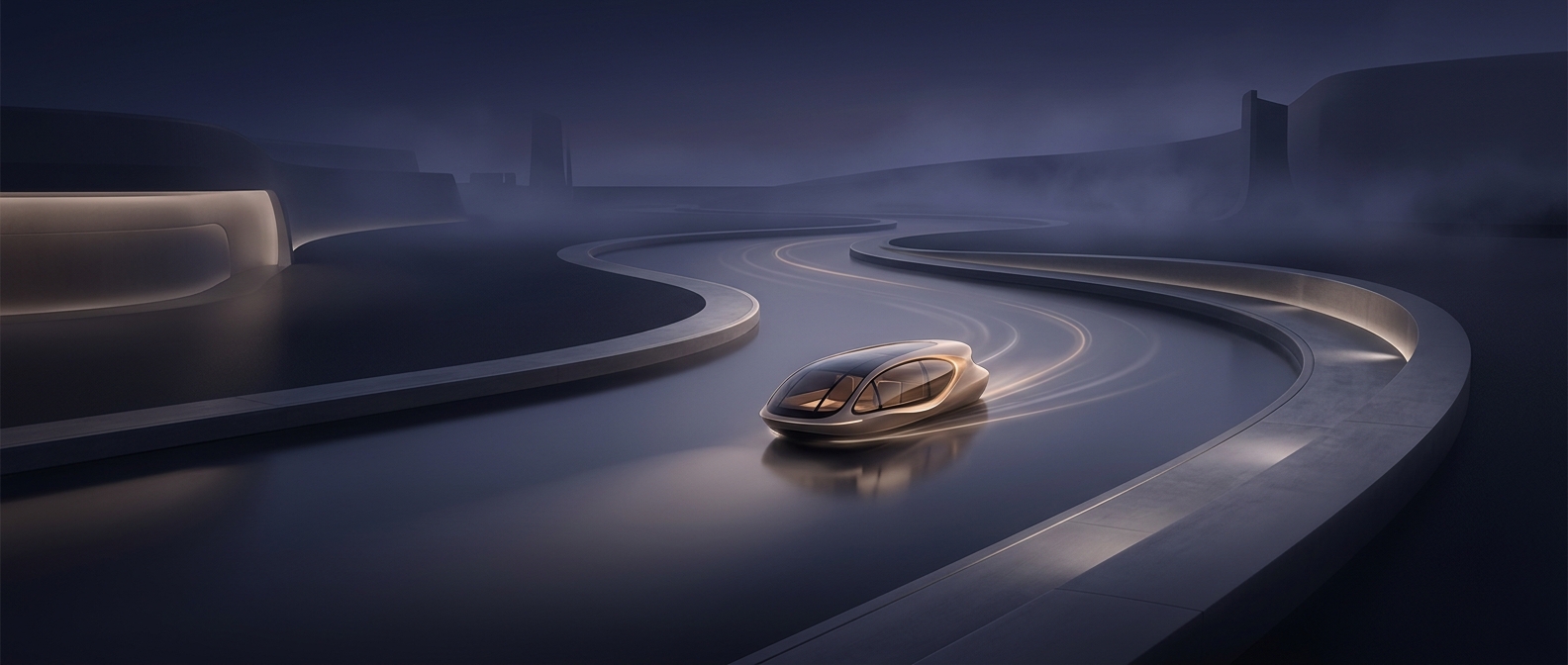
A lazy river is a circulation system disguised as a stream. Pumps send water through a closed route, creating a steady current; the channel walls keep that moving water on course and guide riders around the bends. Unlike a natural river, the flow does not depend on rainfall or a downhill landscape. Its movement comes from equipment that continually pushes water through the route.
The current does not need to be fast to do the work. A person floating in an inflatable tube presents a broad surface to the moving water, so even a gentle push can carry the tube along. The channel’s shape matters too: a bend changes the direction of the flow and can nudge a tube toward one side before the route straightens again.
A Ride Designed Around a Gentle Pace
The engineering challenge is to keep the water moving without making the ride feel like a race. A strong current would make floating less leisurely; too little movement could leave tubes drifting or bunching together. The circulating flow provides the push, while the channel contains it and makes the route repeatable.
That design also explains the small practical skill the ride asks of you. You are not steering through open water so much as letting the current do its job while keeping your belongings close. Around each bend, the river’s gentle motion can shift a tube—and anything resting on it—toward the wall.