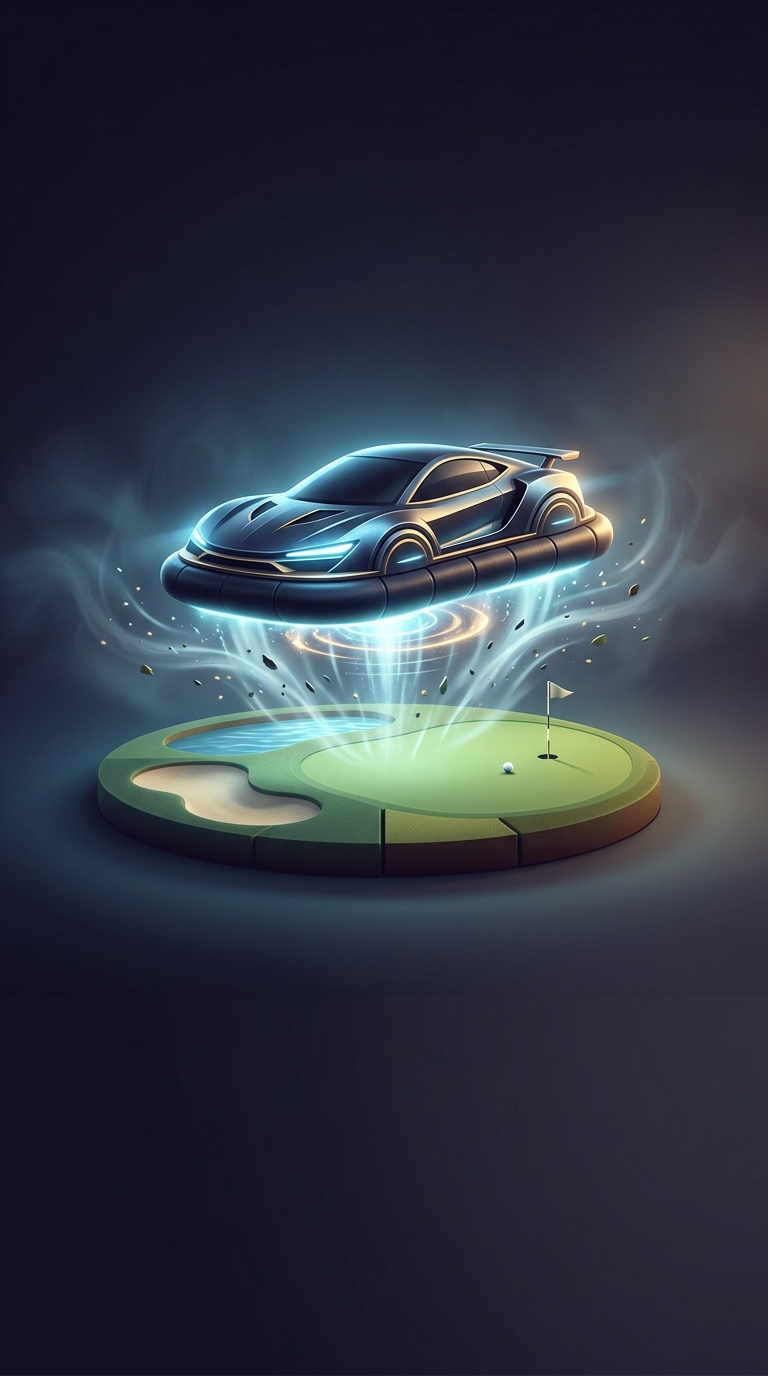
How a golf cart rides on a cushion of air
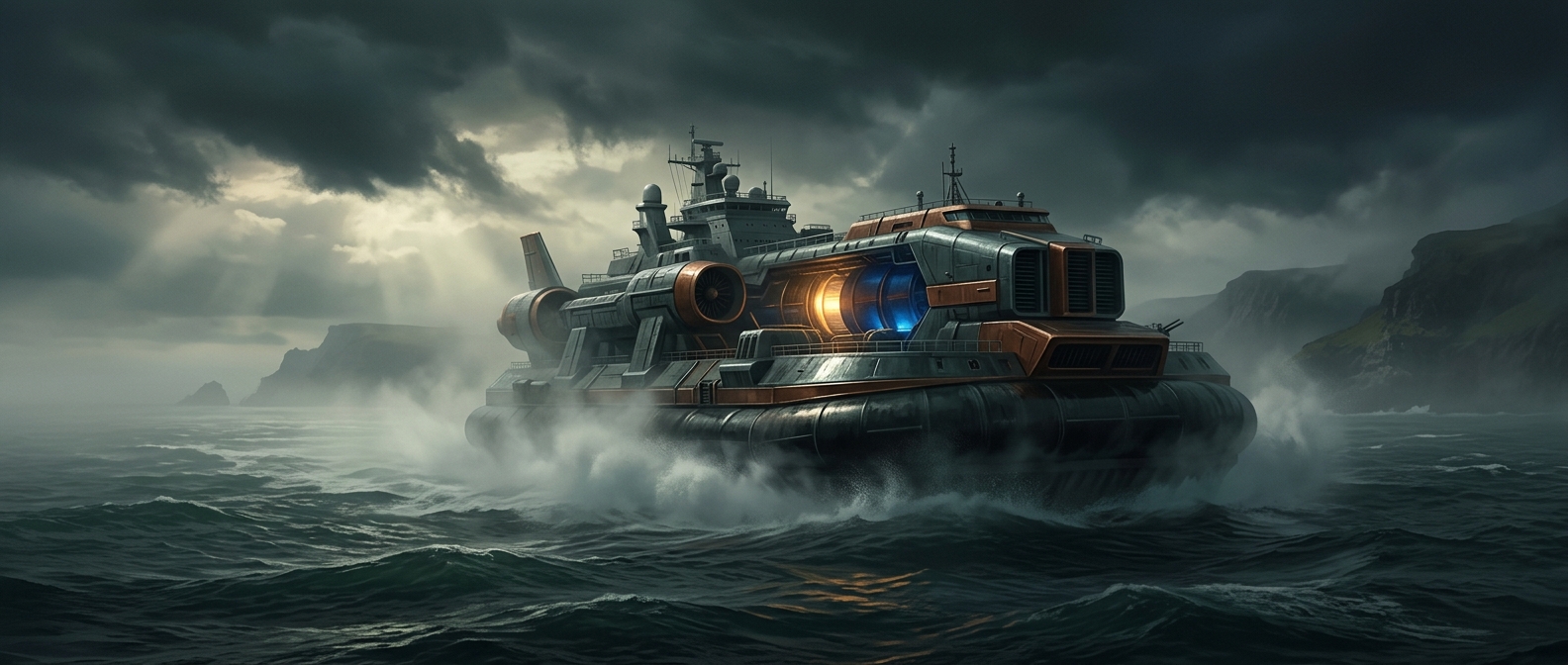
A conventional cart transfers its weight through a few small tire contact patches. A hovercraft instead uses a fan to push air beneath its body. When the pressure under the craft is greater than the pressure outside, that air can support the vehicle and lift it just clear of the ground.
A flexible skirt around the underside helps trap the air. It does not make a sealed chamber; it slows the leak enough for the fan to keep the cushion going. Because the craft is no longer rolling on tires, it can pass over surfaces that would stop or bog down ordinary wheels, including soft sand and shallow water.
The tradeoff behind the smooth ride
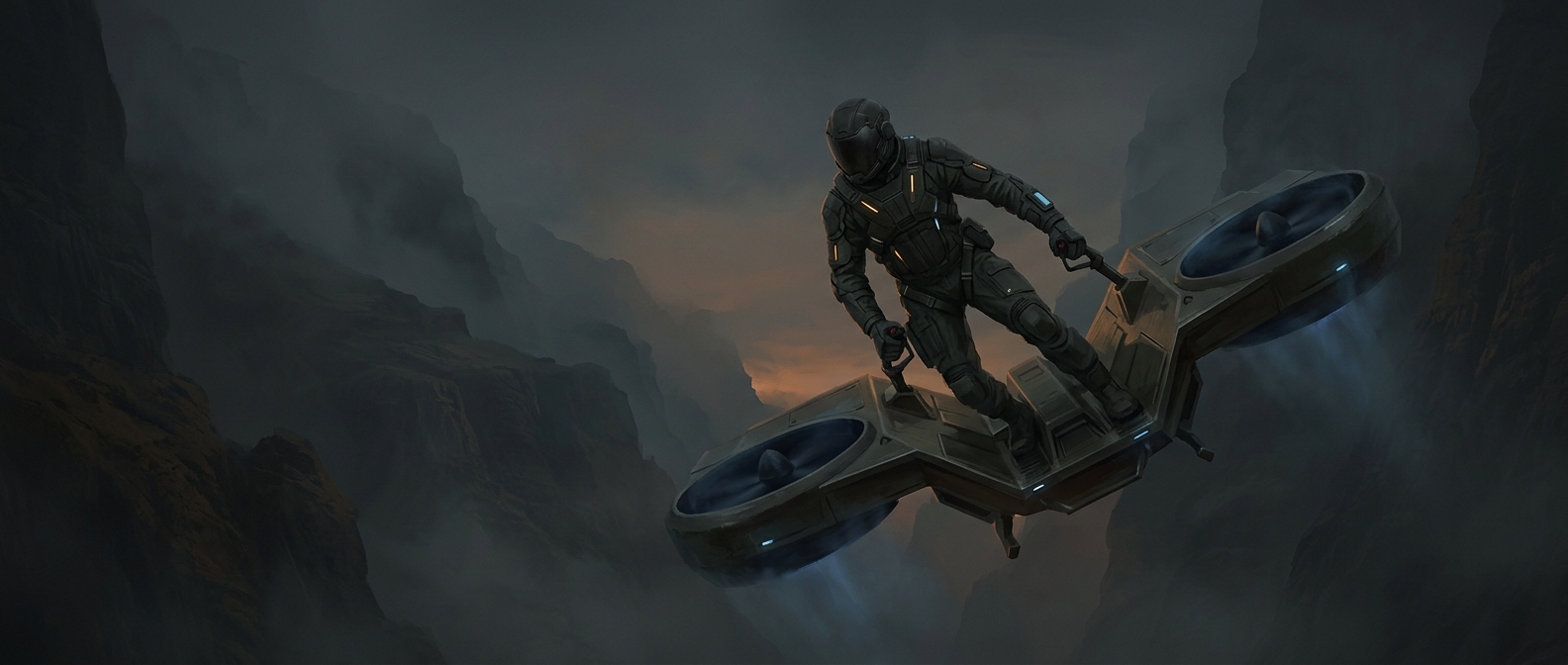
Lifting the cart and moving it forward are separate jobs: a cushion can raise a vehicle without making it travel across the course. Hovercraft designs need a way to generate forward thrust as well as lift, and the operator must steer and control the craft while it rides above the surface.
The golf-course appeal is that the cart avoids tire ruts and tracks. But “no tire tracks” does not mean the machine has no effect on its surroundings: it still blows air, makes noise, and must be controlled near people, water, and delicate turf. Its distinctive advantage is narrower and more practical—it replaces concentrated wheel pressure with a cushion spread beneath the vehicle, letting the cart cross terrain that would challenge a wheeled buggy.