What myocarditis does to the heart
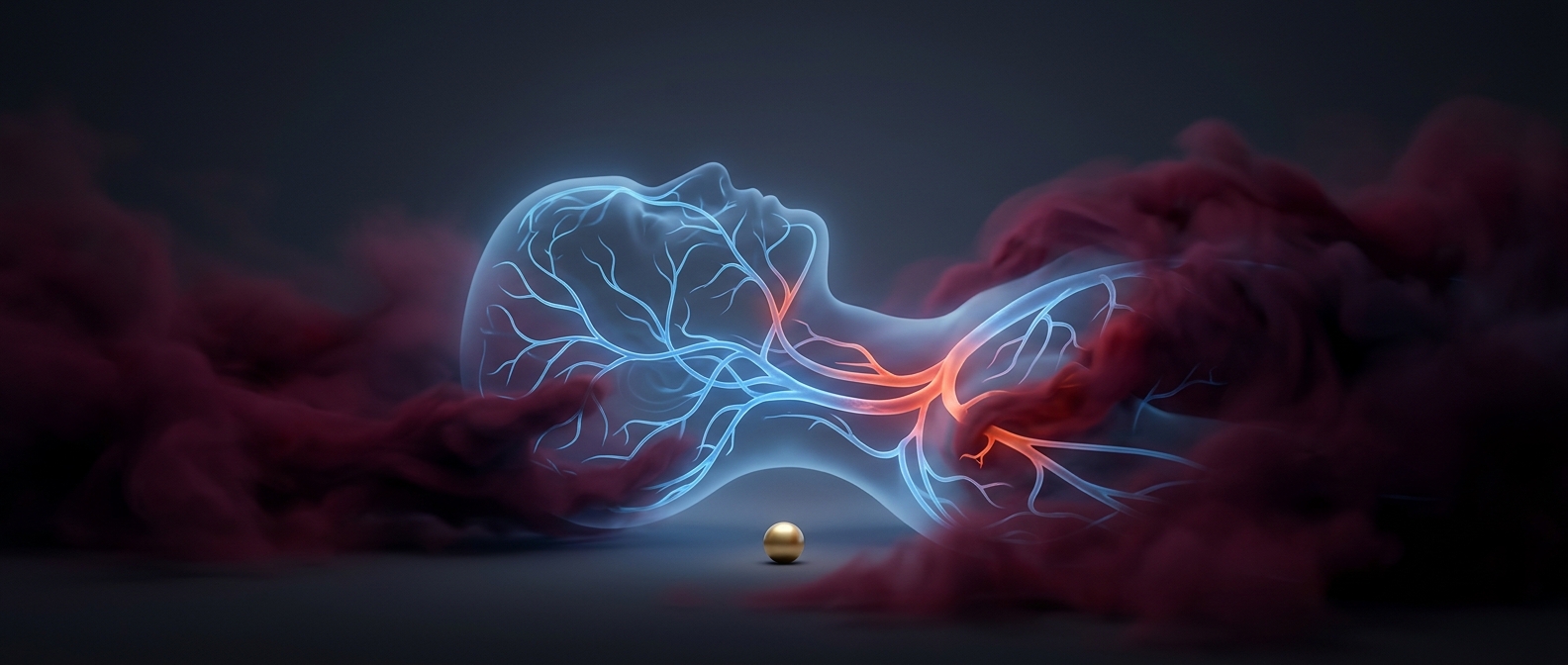
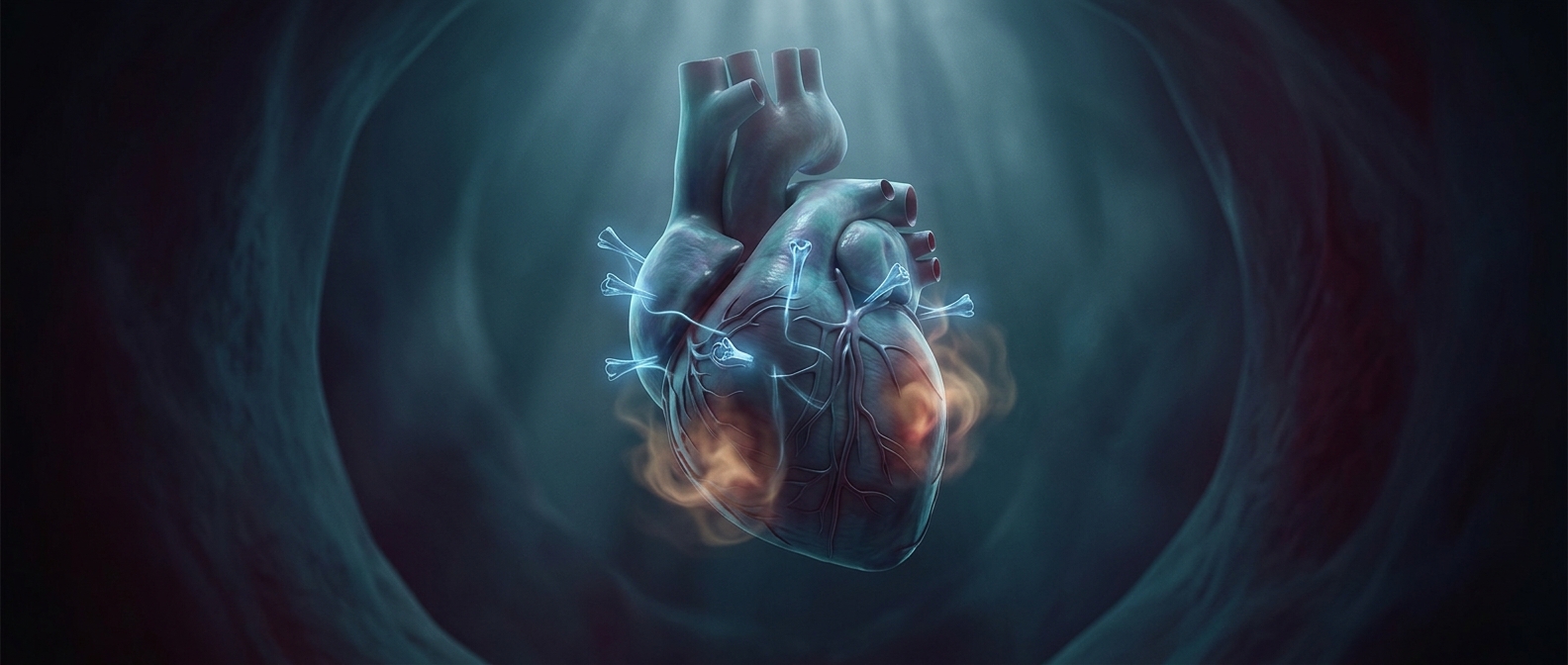
Myocarditis is inflammation of the myocardium, the muscular layer that contracts to move blood. When that tissue is inflamed, the heart can become irritated or less efficient at pumping. The effects vary: some people have chest pain or shortness of breath, while others may have few noticeable symptoms. Clinicians assess suspected cases with tests that look for signs of heart-muscle injury and changes in heart function.
How a vaccine can be involved
The Pfizer-BioNTech vaccine uses messenger RNA, or mRNA: temporary instructions that prompt cells to make a harmless piece of the coronavirus for the immune system to recognize. The body’s response to those instructions is intended to build protection. In rare cases, inflammation of the heart muscle has been reported after vaccination. The precise chain linking vaccination to myocarditis is not fully established; it is understood as an uncommon inflammatory reaction, not as the vaccine directly infecting the heart.
Reports have been concentrated especially among young men. That pattern matters because it helps clinicians recognize a possible reaction, but it does not mean that every episode of chest discomfort after vaccination is myocarditis.
Why the distinction matters
Chest pain, breathlessness, or a racing heartbeat after vaccination should be assessed by a medical professional rather than diagnosed by symptoms alone. Many cases described after vaccination improve with medical care and rest, but heart-muscle inflammation deserves attention because the heart is doing essential work even when symptoms seem mild. The rare risk is best understood as a specific complication to watch for—not as a reason to assume that ordinary post-vaccination reactions involve the heart.