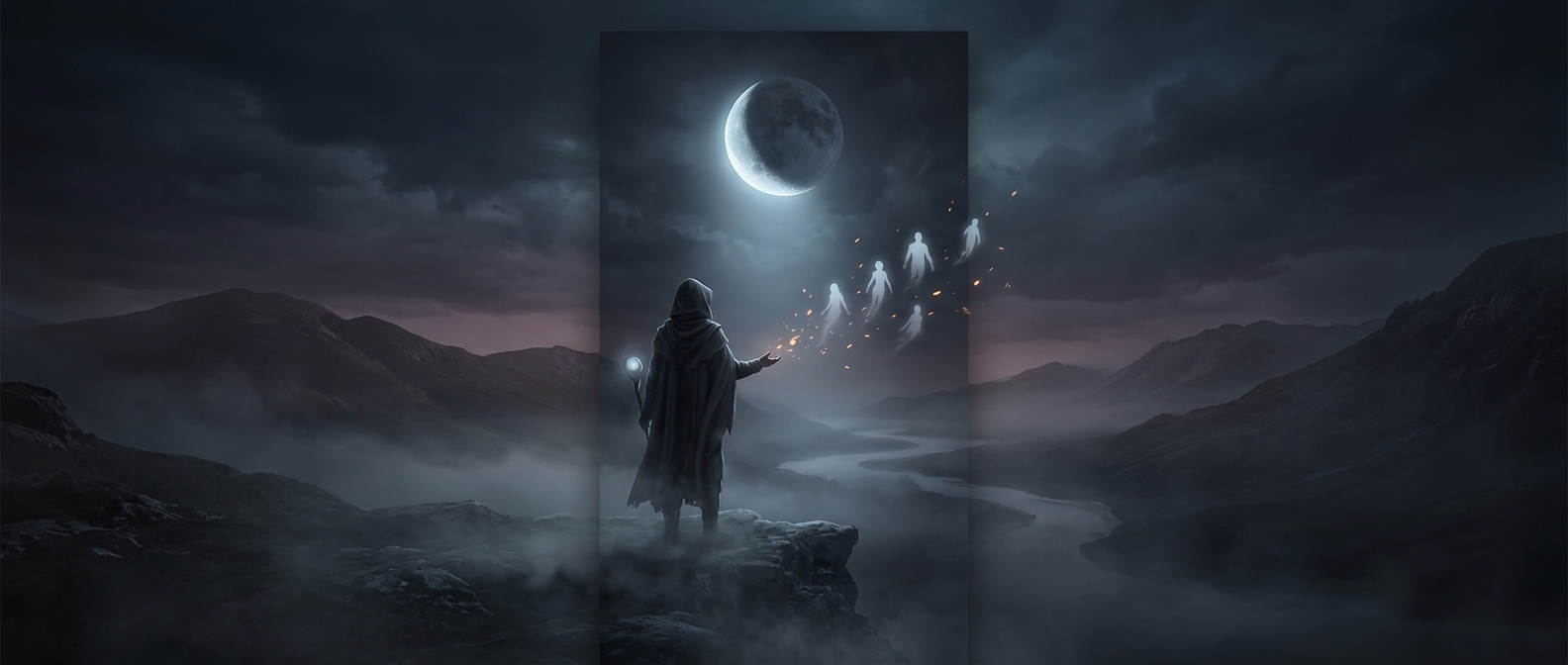
Why the waning Moon became a symbol of retreat
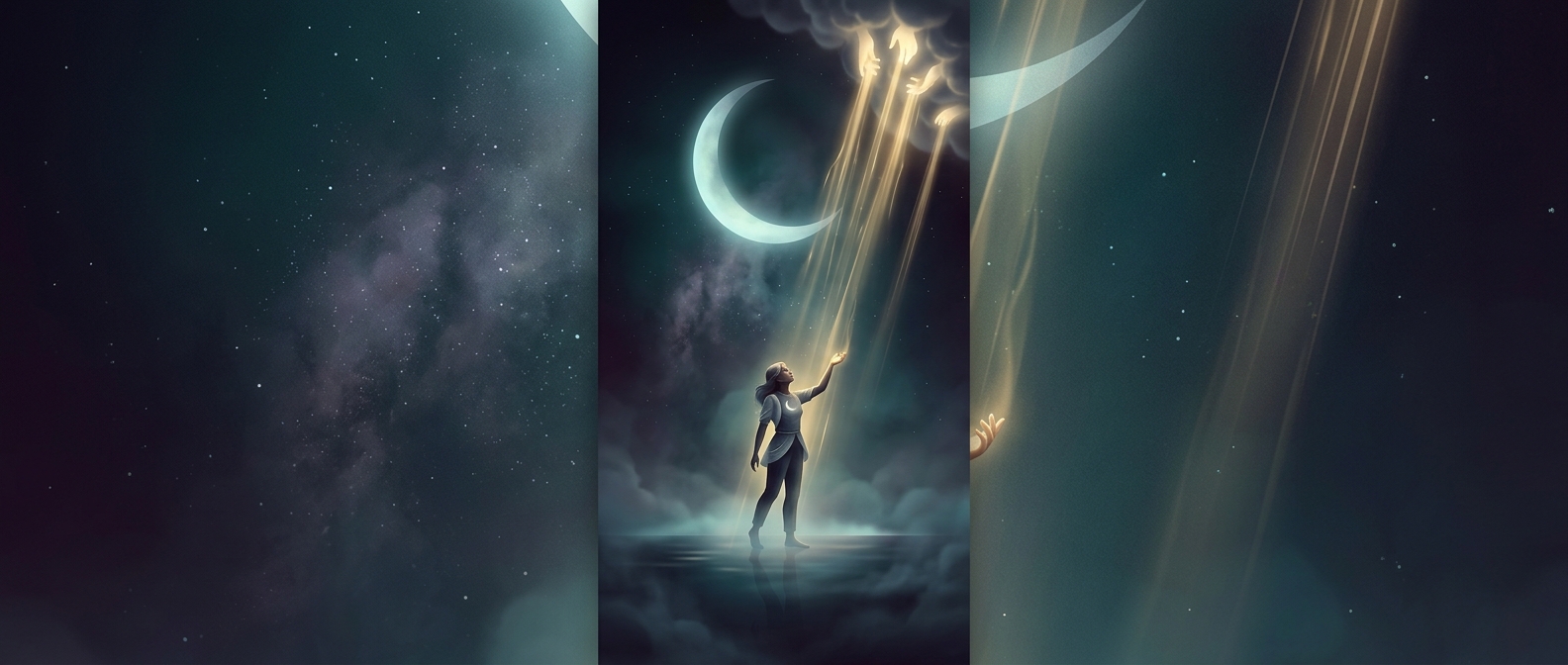
In astrology, the Moon’s phases are treated as a cycle of changing emphasis. The waning phase begins after the full Moon, as the bright portion visible from Earth appears to shrink night by night. Astrological traditions often read that visual decrease as a cue to turn inward: to review what has happened, let go of what feels finished, and make room for rest.
That interpretation is symbolic, not a claim that the Moon causes a person to withdraw. The phase gives a familiar image to an ordinary feeling—wanting fewer demands and more quiet—and a calendar-shaped reason to honor it.
From lunar symbolism to a social excuse
The appeal is partly practical. “I need to be alone” can feel difficult to say when friends are expecting a reply or a plan. A waning Moon offers a less personal explanation: the moment is supposedly suited to release, so postponing a gathering or stepping back from messages can feel like going with the rhythm rather than rejecting someone.
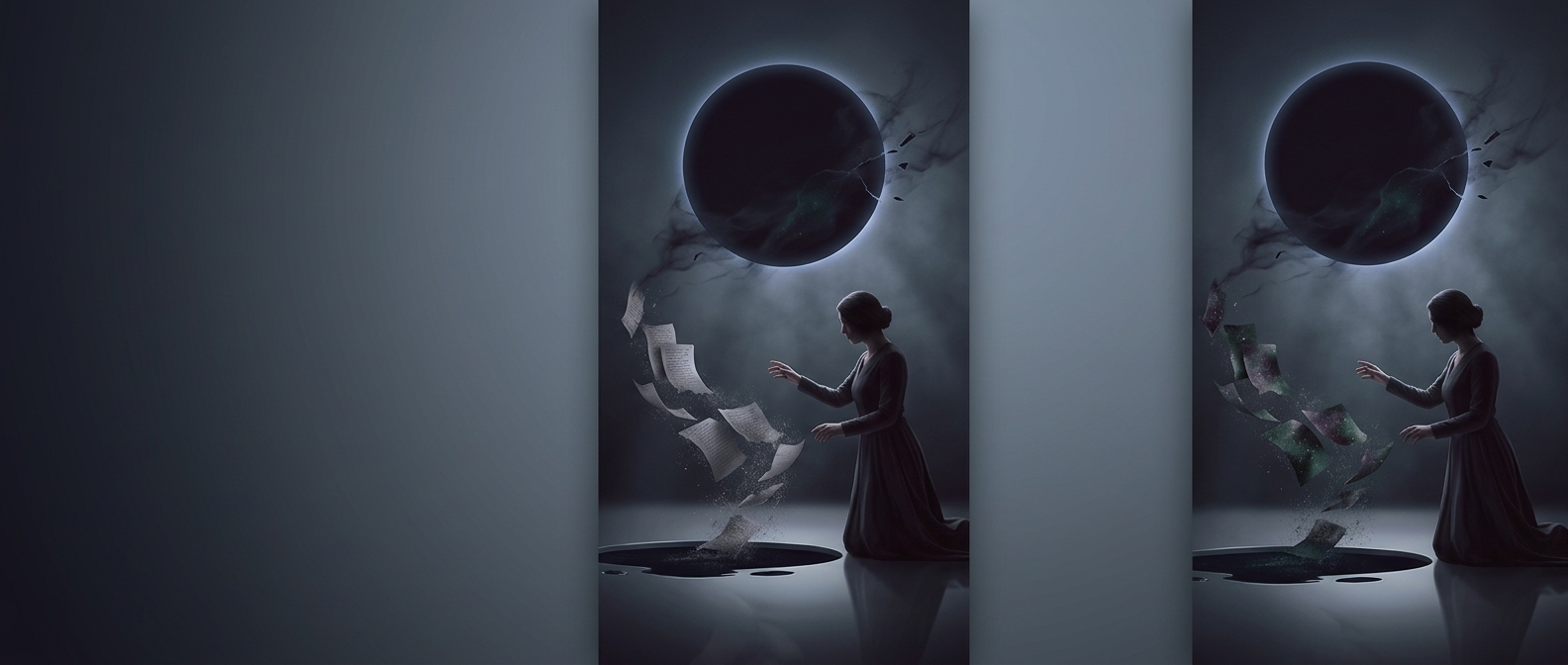
That can make the idea playful, but it also points to a real distinction. Solitude may be restorative when it is chosen and temporary; disappearing without explanation can leave other people confused. The Moon’s symbolism can frame a pause, while a short, honest message still makes the boundary clear.
A cycle, not a cosmic command
Because the Moon keeps moving through its phases, the waning period is not a permanent verdict on social life. Within the astrological reading, it is one part of a repeating sequence: a time to reduce, reflect, and finish, followed by a new beginning. The useful takeaway is less “the Moon made me do it” than permission to notice when you need quiet—and to tell people you’ll be back.