What the First Quarter Moon Represents in Astrology
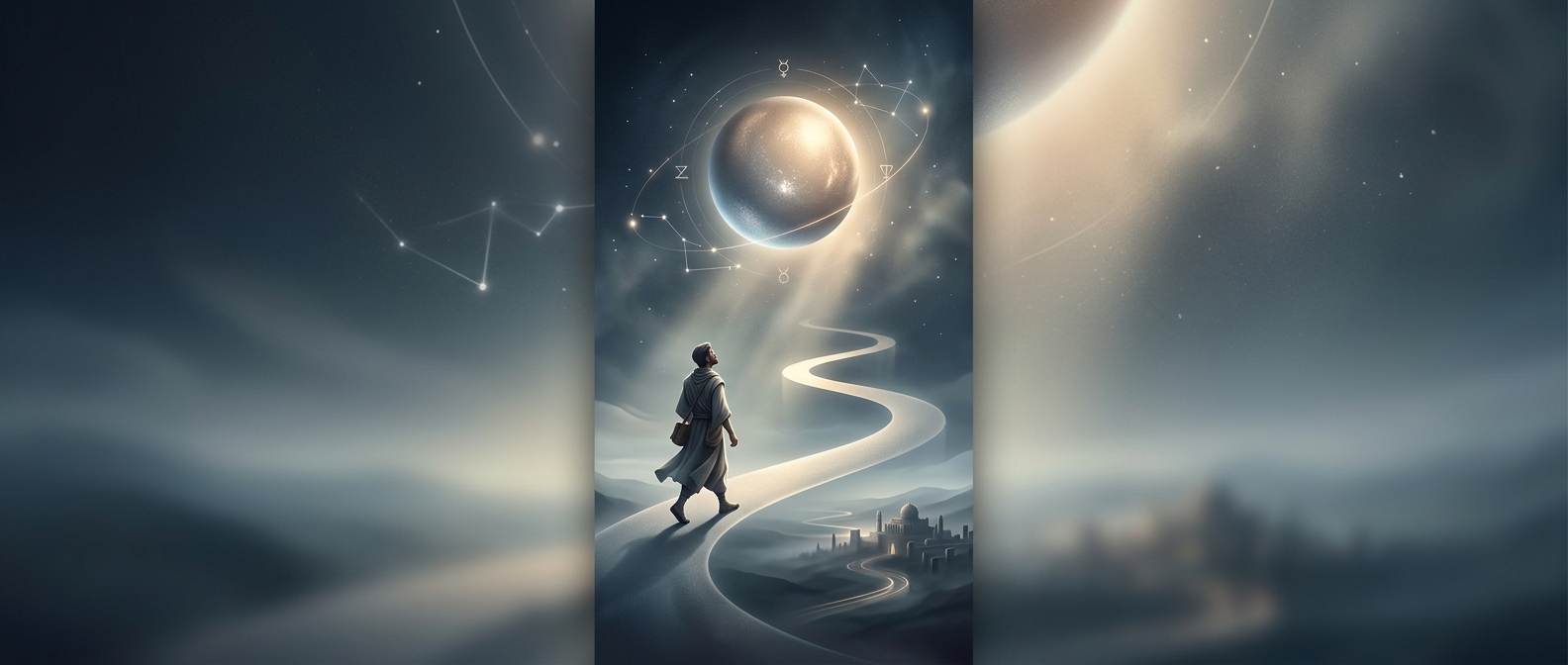
In astrology, the First Quarter Moon is the point in the lunar cycle when the Moon appears half-lit. It falls after the New Moon, traditionally associated with beginnings, and before the Full Moon, associated with culmination. Astrologers use this midpoint as a symbol of friction: an intention has been set, but carrying it forward takes work.
From Intention to Follow-Through
The “test” is not a prediction that events will go wrong. It is a way of describing the practical gap between wanting a change and making it part of daily life. A new plan may encounter competing obligations, uncertainty, or the plain inconvenience of repetition. In this reading, those obstacles reveal whether the original idea has enough commitment behind it to continue.
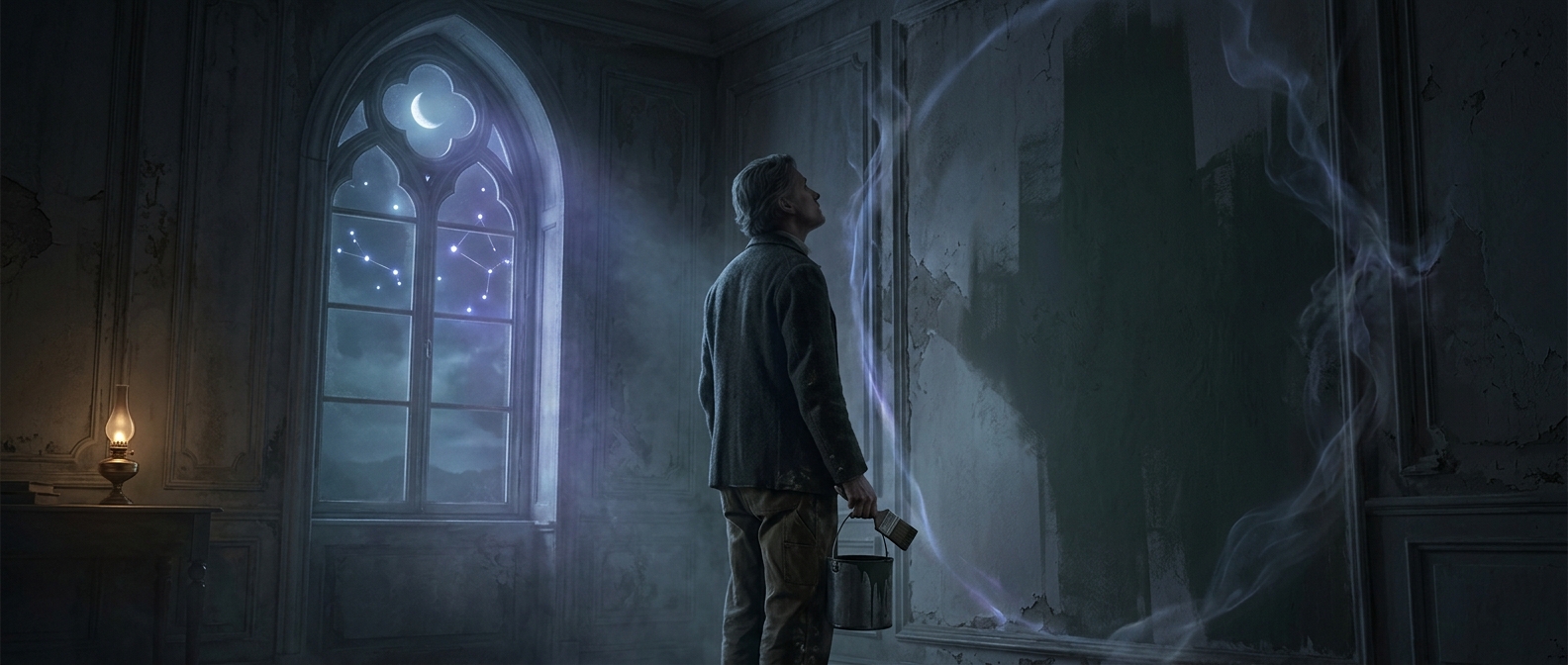
That makes the First Quarter Moon less about waiting for inspiration than choosing what to do next. Someone who began a project, for example, might use this phase to notice what is stalled, adjust the plan, and put in a specific block of time to move it along.
A Symbolic Checkpoint
The lunar phase supplies a memorable calendar marker; it does not establish that the Moon causes challenges or determines whether a plan will succeed. The astrological meaning is interpretive: progress depends on effort as well as intention. Its practical implication is simple—when the initial excitement fades, the next small action is what gives an idea a chance to become real.