A spaceship designed to feel like a character
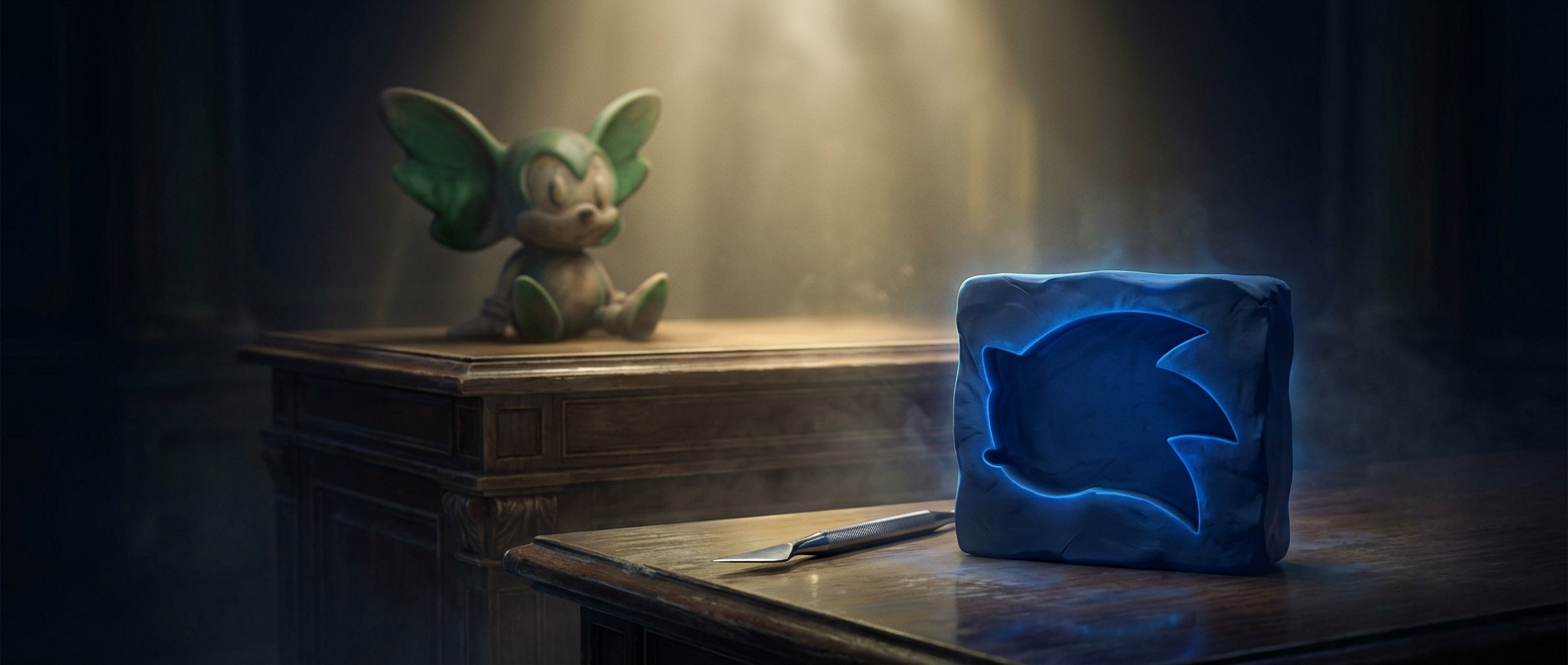
In Fantasy Zone, Opa-Opa was more than a vehicle carrying the player through a shooter. The little craft had wings, feet, and an expressive face, making it read almost like a living cartoon creature. That choice matched the game’s playful visual world: instead of the grim machinery common to many shooters, its battles unfolded amid bright colors and rounded, toy-like shapes.
The game also gave Opa-Opa room to feel active rather than merely decorative. Players could move through a stage, attack targets, and collect money to buy equipment. The ship’s unusual body and personality made it memorable, but its appeal depended on a light, whimsical tone.
Why a memorable mascot was not enough
A character can suit one game and still be a poor fit for a company’s broader image. Sega’s American marketing ambitions in the 1990s called for a mascot that could project a sharper, more rebellious attitude to teenagers. Opa-Opa’s charm came from being cute and unconventional—the very qualities that made it less suited to that positioning.
That contrast helps explain why Opa-Opa did not become Sega’s defining character, even though the ship had already shown that a game hero could be instantly recognizable. A mascot had to do more than star in a popular game: it had to embody the image Sega wanted to sell across a much wider audience.