How a military-base business became Sega
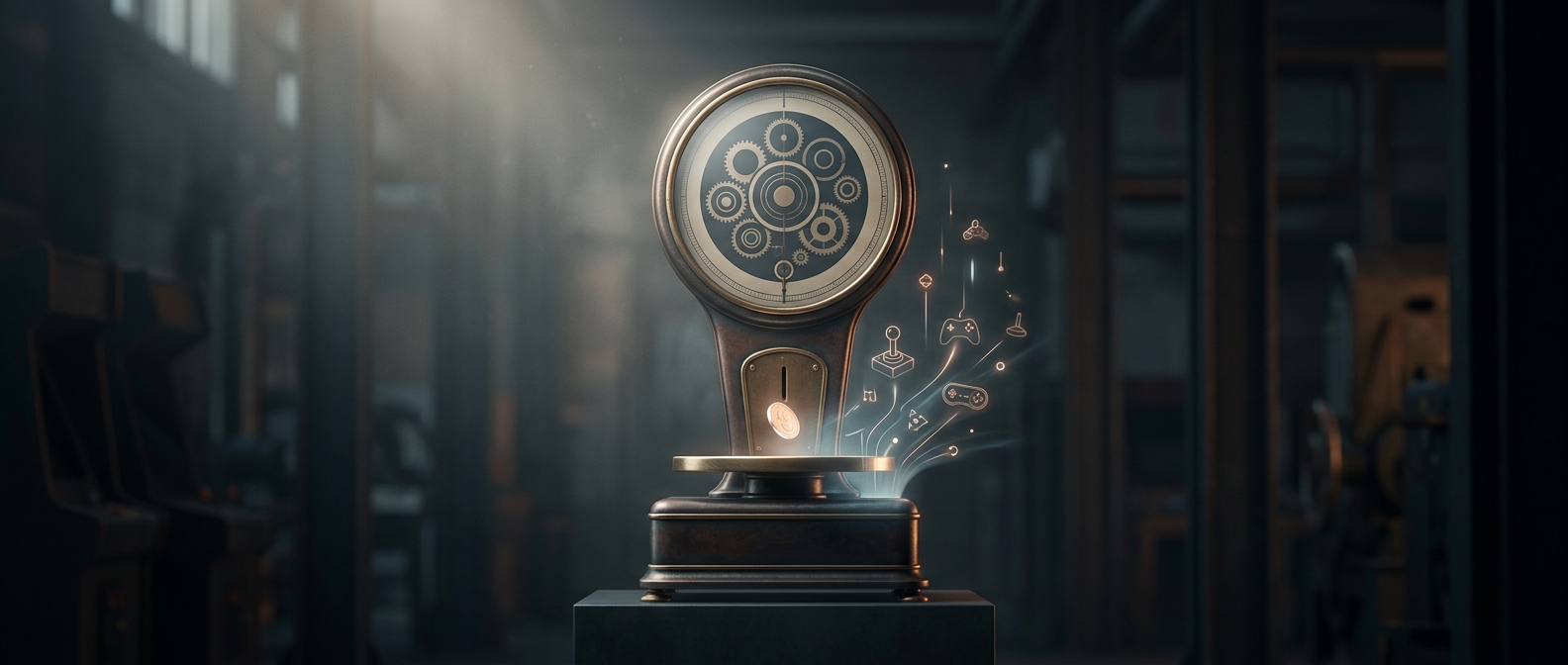
Coin-operated amusement machines offered something simple but valuable on a military base: a diversion that could run without a staff member organizing each game. Players put in coins, used the machine, and moved on; the operator earned revenue while supplying and maintaining the equipment. That practical model shaped the business that later became known as Sega.
The name is a shortening of “Service Games,” reflecting the company’s early focus on machines for U.S. military facilities. After the war, the business shifted its attention to Japan, where American servicemen stationed there provided a ready audience for coin-operated entertainment. Slot machines and jukeboxes served different moods—one offered a game of chance, the other let customers choose the music—but both relied on the same pay-per-use arrangement.
From supplying machines to building games
This history helps explain Sega’s later place in the games business. Its roots were not in designing a home console or inventing a new kind of play, but in operating entertainment machines in public settings. That meant learning how to make a machine inviting, durable, and worth using again—concerns that would remain central as coin-operated amusements developed into arcade games.
The striking turn is that a company named for supplying “Service Games” began by bringing leisure equipment to military bases, then carried that coin-operated business into postwar Japan. The arcade became a natural next setting for the same basic idea: put a machine where people gather, and let each play begin with a coin.