Speed Had to Fit the World Around Sonic
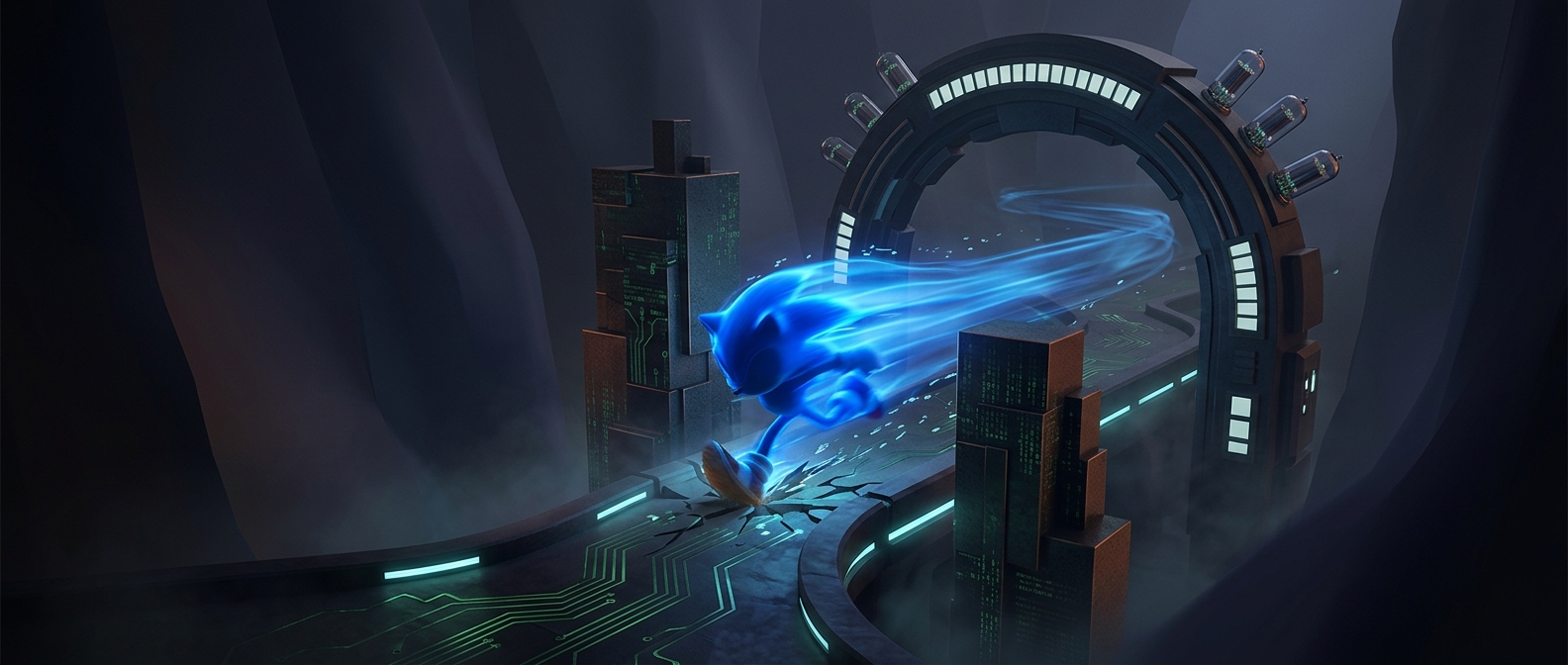
Sonic’s speed was not just a character animation running quickly. As he raced forward, the game also had to keep the ground, obstacles, enemies, and scenery ready to appear on screen. That work had to keep pace with the camera: if Sonic outran what the Genesis could prepare, the player could reach parts of the level before they were ready, risking a crash.
The limit was therefore practical, not simply a matter of choosing a number for Sonic’s top speed. A faster character demanded that the game deliver more of the level in less time. The Genesis had finite processing power and memory, and the game had to divide those resources among movement, collision checks, visual effects, and the incoming scenery.
Fast, But Still Playable
Reducing the maximum speed gave the game more room to keep those jobs synchronized. It also helped preserve the distinction between a thrilling burst of speed and a loss of control: players still needed time to recognize a bend, react to an enemy, or decide whether to jump.
That balance shaped Sonic’s signature feel. Speed could make familiar terrain rush past, but it worked only while the game could keep the next stretch of the world ready—and while the player could still respond to it.