A tiny screen made the memory card more than storage
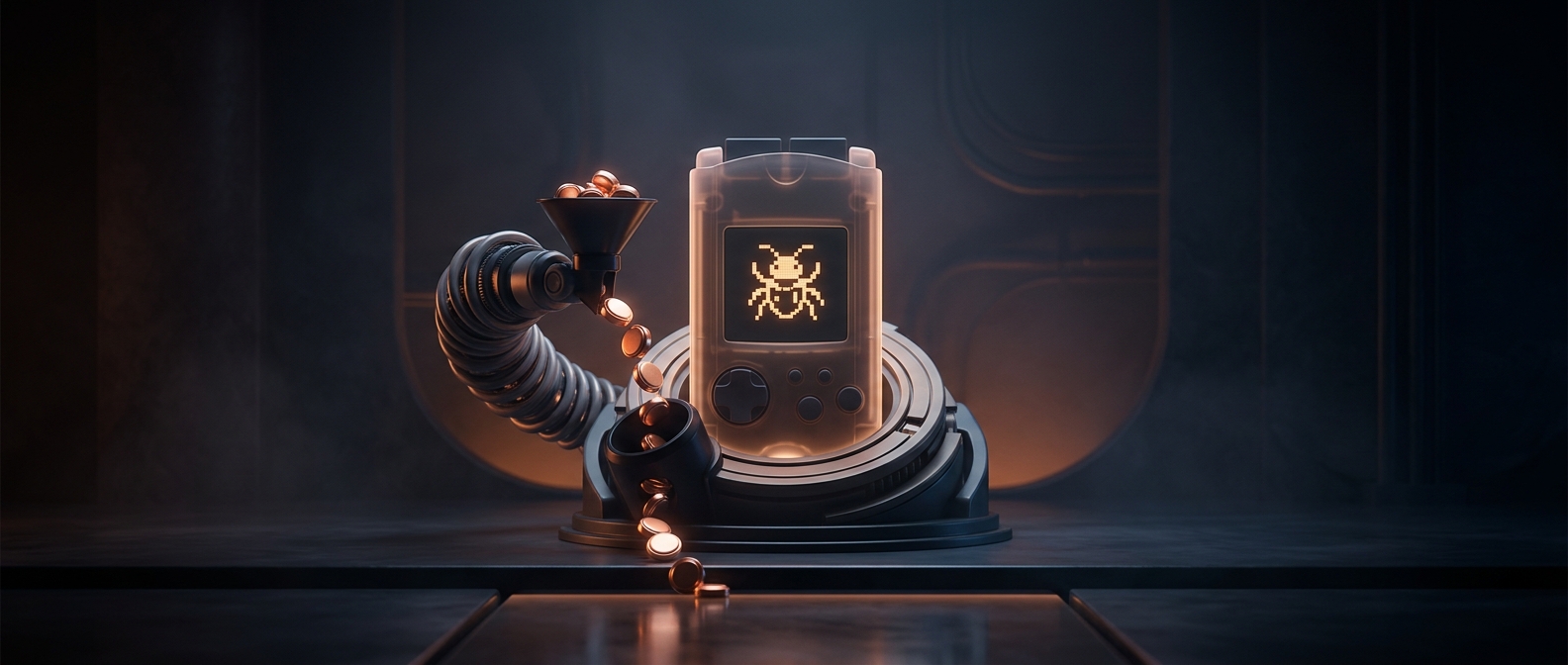
The Dreamcast’s Visual Memory Unit, or VMU, was designed to do two jobs: keep game saves and act as a miniature handheld display. Slotted into a controller, it could show game-specific information; taken out, it could run simple mini-games. That extra screen and speaker made the card a small electronic device, not just a passive place to store data.
Why the warning came as a sound
The VMU’s watch batteries powered features such as its screen and buzzer when it was away from the console. If those batteries ran down, the unit could signal the problem with a beep during startup. A brief warning was hard to miss—useful for a device whose display might otherwise simply go dark.
The batteries were not the same thing as the memory holding a save. Game data was stored in nonvolatile memory, which retains information without a steady battery supply. So a dead-battery warning did not necessarily mean the saves were gone; it meant the VMU’s battery-dependent features needed attention. The result was an unusually audible reminder from a memory card small enough to fit in a controller.