When Armor and Appearance Pull in Different Directions
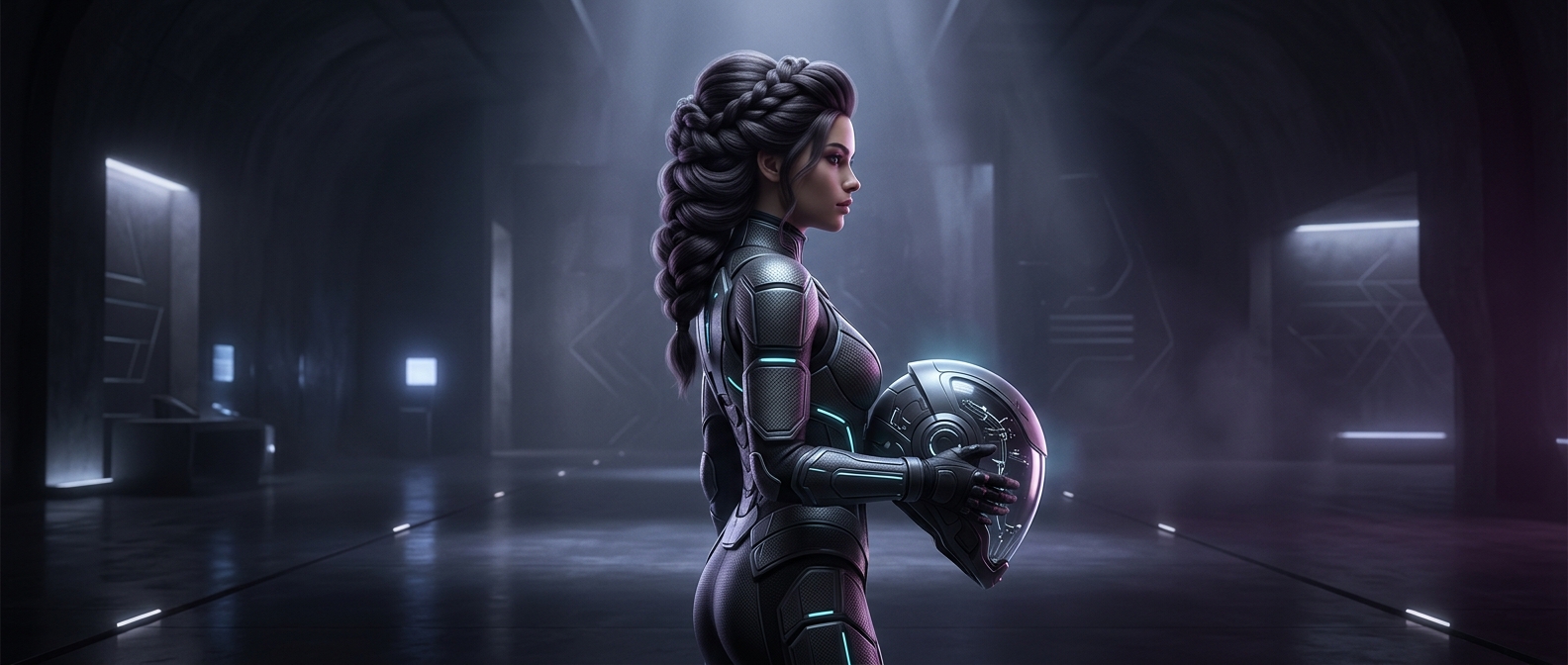
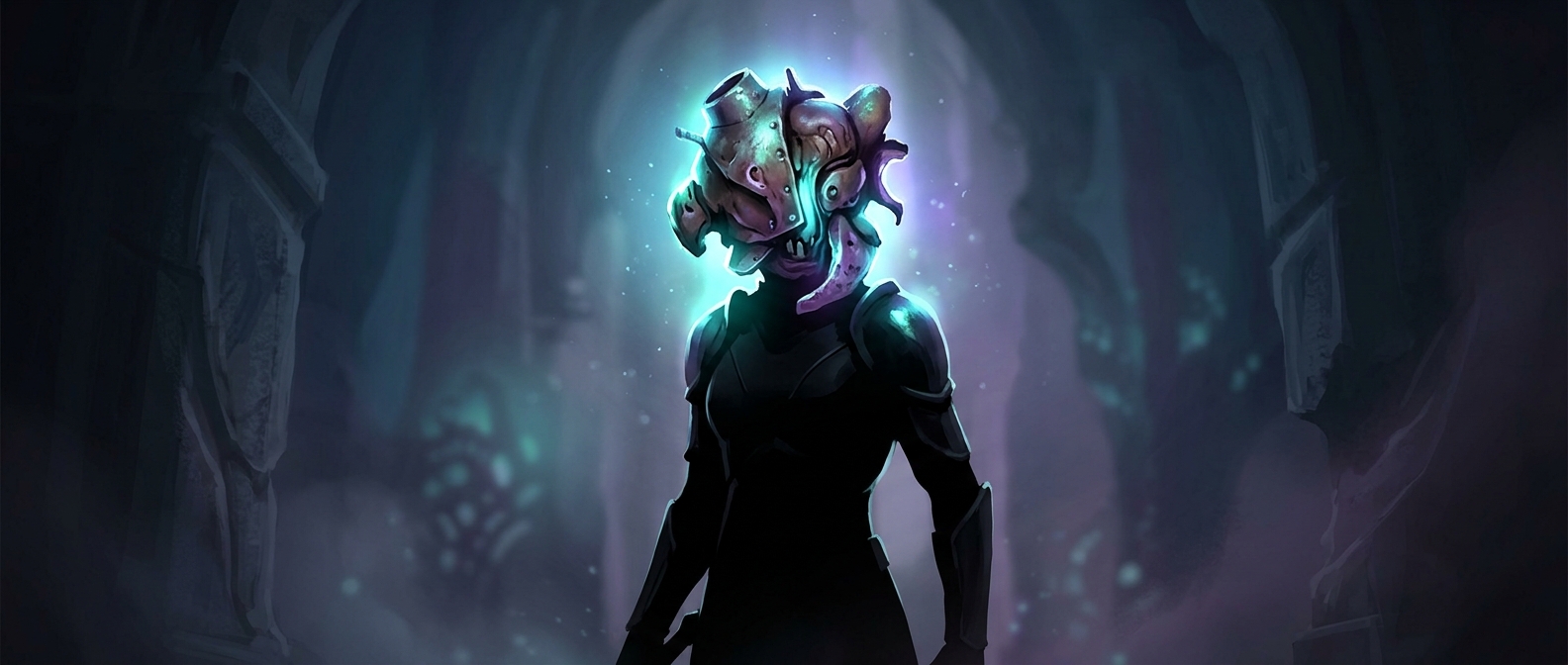
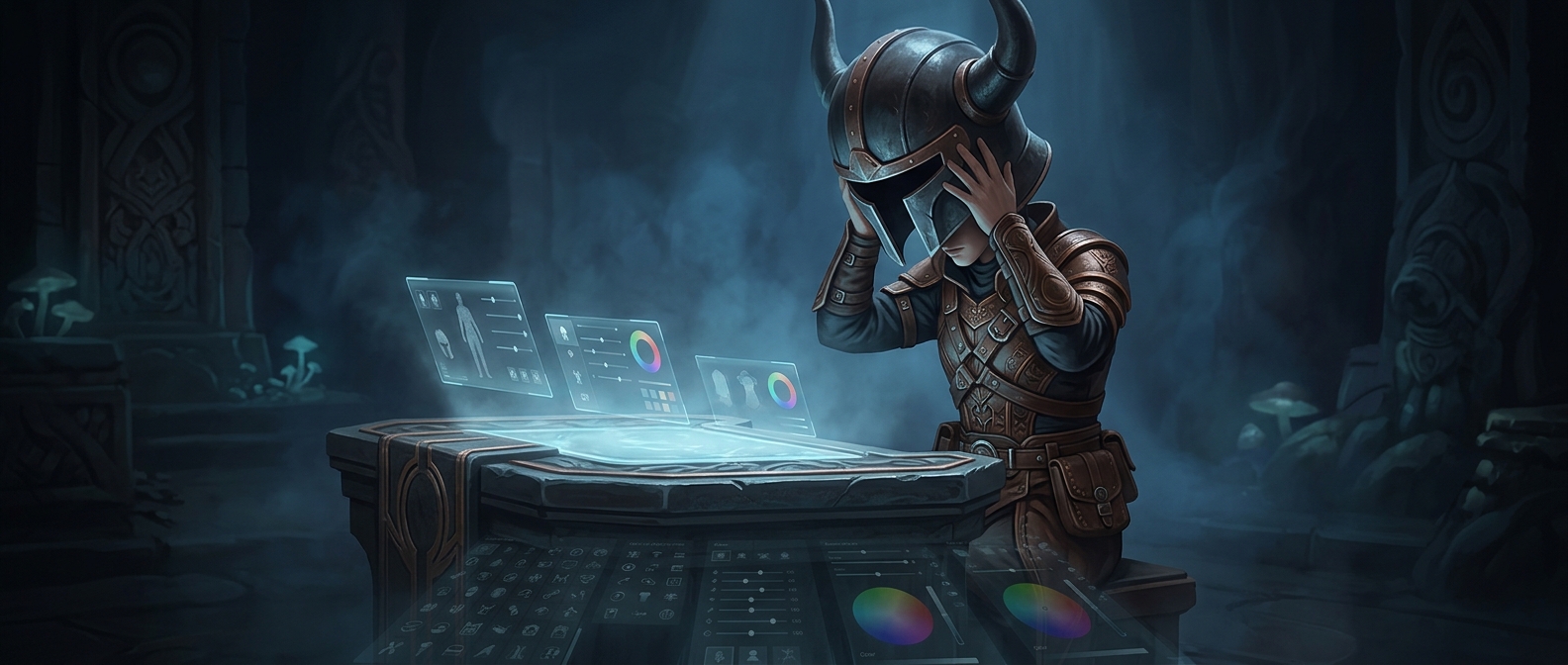
Character customization asks players to make a face feel personal; armor asks them to cover it. A full helmet can signal protection, rank, or a hard-won upgrade, but it also replaces the expressions and features a player just spent time choosing. The result is a small design conflict: the item that makes sense for the character’s survival can make that character harder to recognize.
Separating What Works From What Shows
Some games address the conflict with a visibility setting. The character can keep the helmet equipped while its model is hidden, if the game treats appearance separately from equipment. That distinction matters: the character’s protection can come from the item’s gameplay effects, while the player decides whether its appearance belongs on screen.
This is more than a cosmetic nicety. A visible face helps preserve a sense of identity across scenes, especially when the player has shaped a character to look distinctive. But hiding the helmet can also weaken the visual cue that the character is armored. Designers therefore have to balance self-expression with the readability of the game world—what players can infer at a glance from a character’s silhouette and gear.
The toggle turns a blunt choice—wear protection or see the face—into a choice about presentation. The helmet can still matter to the character’s build without having to dominate every close-up.