The helmet is a costume piece, not an all-day enclosure
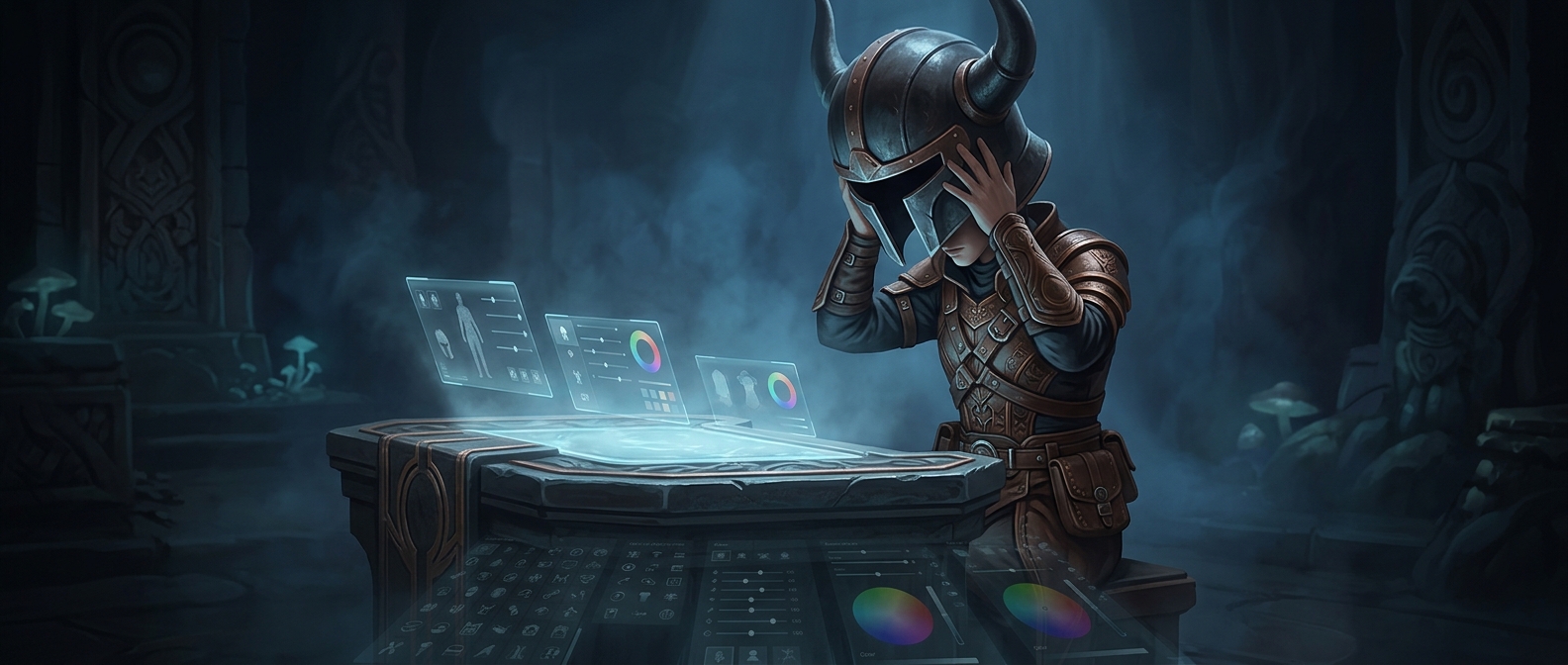
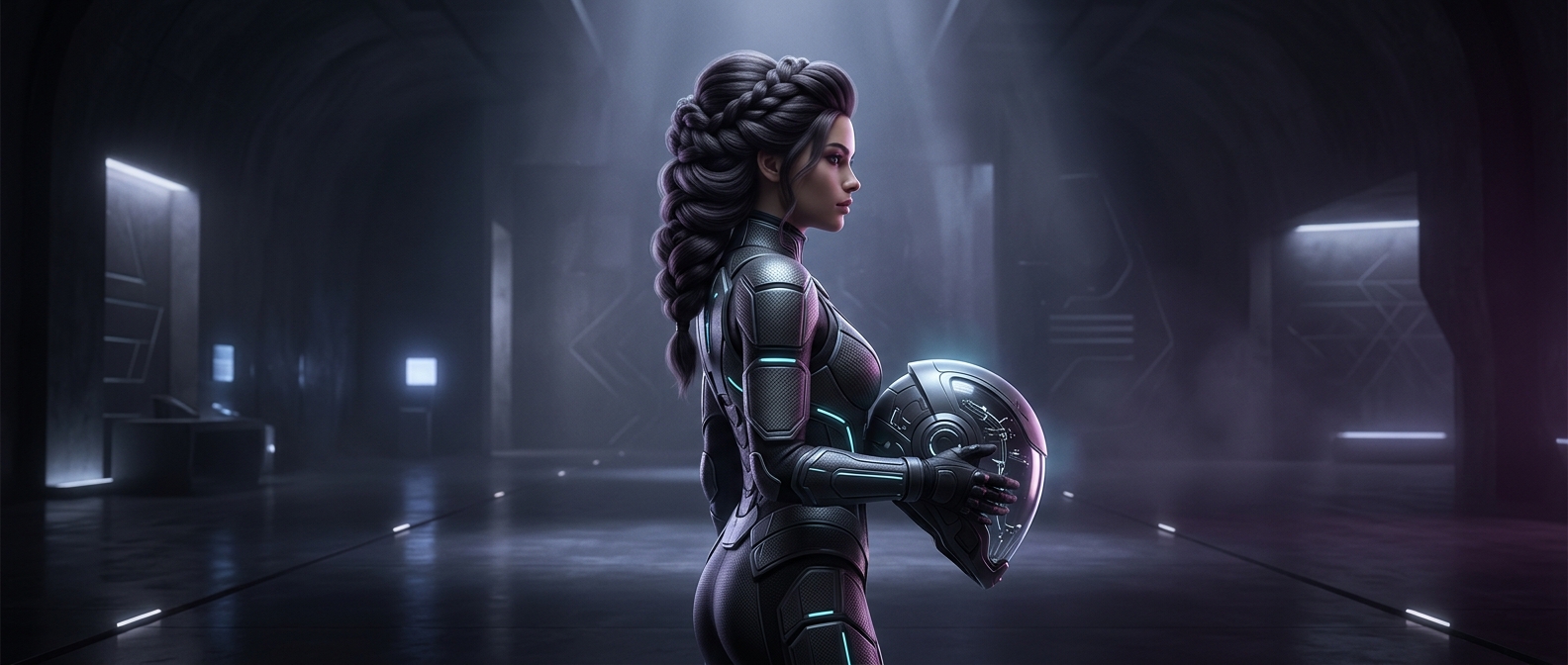
A screen helmet may look battle-ready, but it often has to serve a different job from real protective gear: fit the performer, read clearly on camera, and come off quickly between takes. Costume teams can build the shell around the actor’s head with room for a wig or carefully arranged hair. Padding and hidden fastenings help it sit in place without crushing every strand.
That does not mean the hair stays untouched through a whole shoot. Helmets are removed for breaks, retakes, and close-ups, and hair and makeup artists can restore the style between shots. A scene that appears continuous may have been filmed in pieces, with time for adjustments between them.
The hairstyle is part of the hero’s visual design
Hair helps audiences recognize a character and read their personality at a glance. A loose curl, a sharp part, or a signature silhouette can remain visible around the helmet—or be restored for the next shot—so the character still looks like themselves when the armor comes off. Filmmakers may also choose a helmet shape that frames the face rather than hiding it, especially when expressions matter to the scene.
Real combat gear is designed to protect and stay secure, not preserve a carefully arranged hairstyle. Screen armor has to balance the look of protection with performance, visibility, and continuity. The perfect post-helmet hair is less a miracle of armor than a result of costume design, camera choices, and someone standing just out of frame with a comb.