A custom character becomes part of the game’s scenery
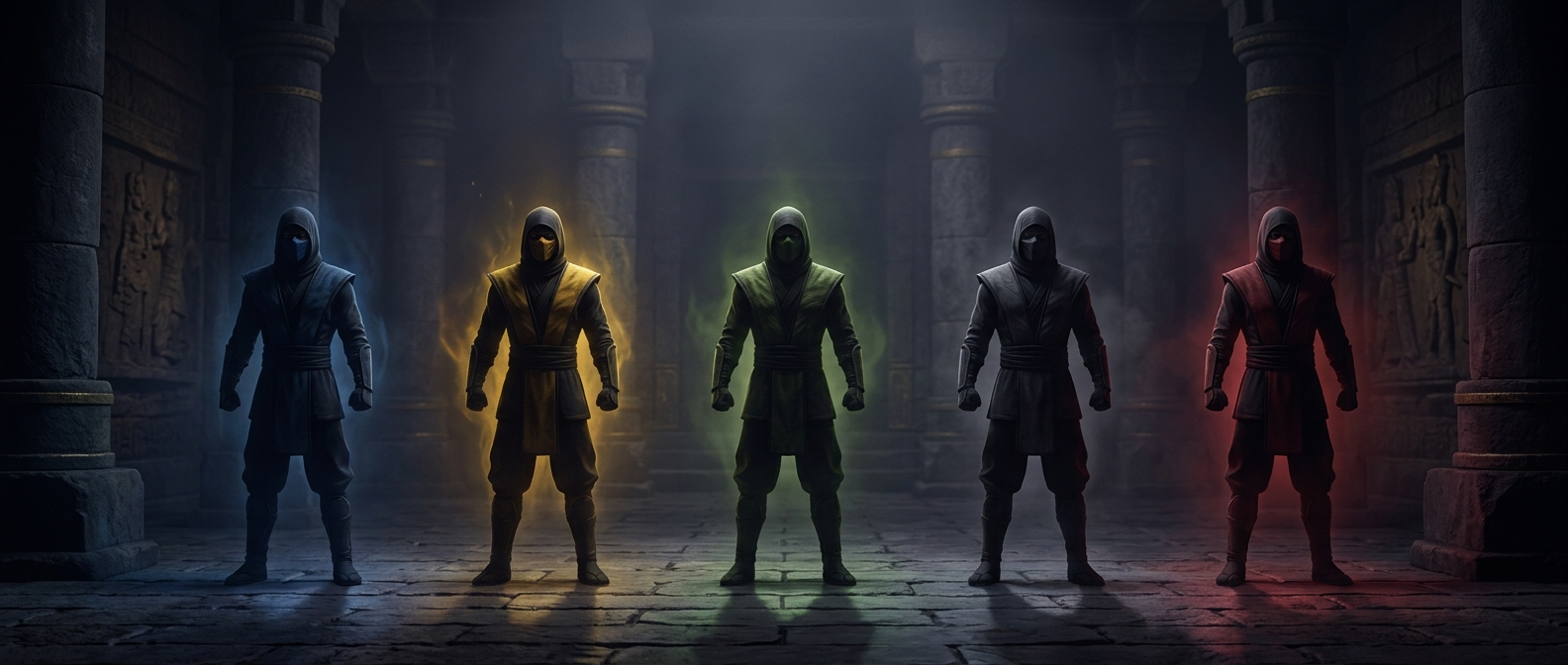
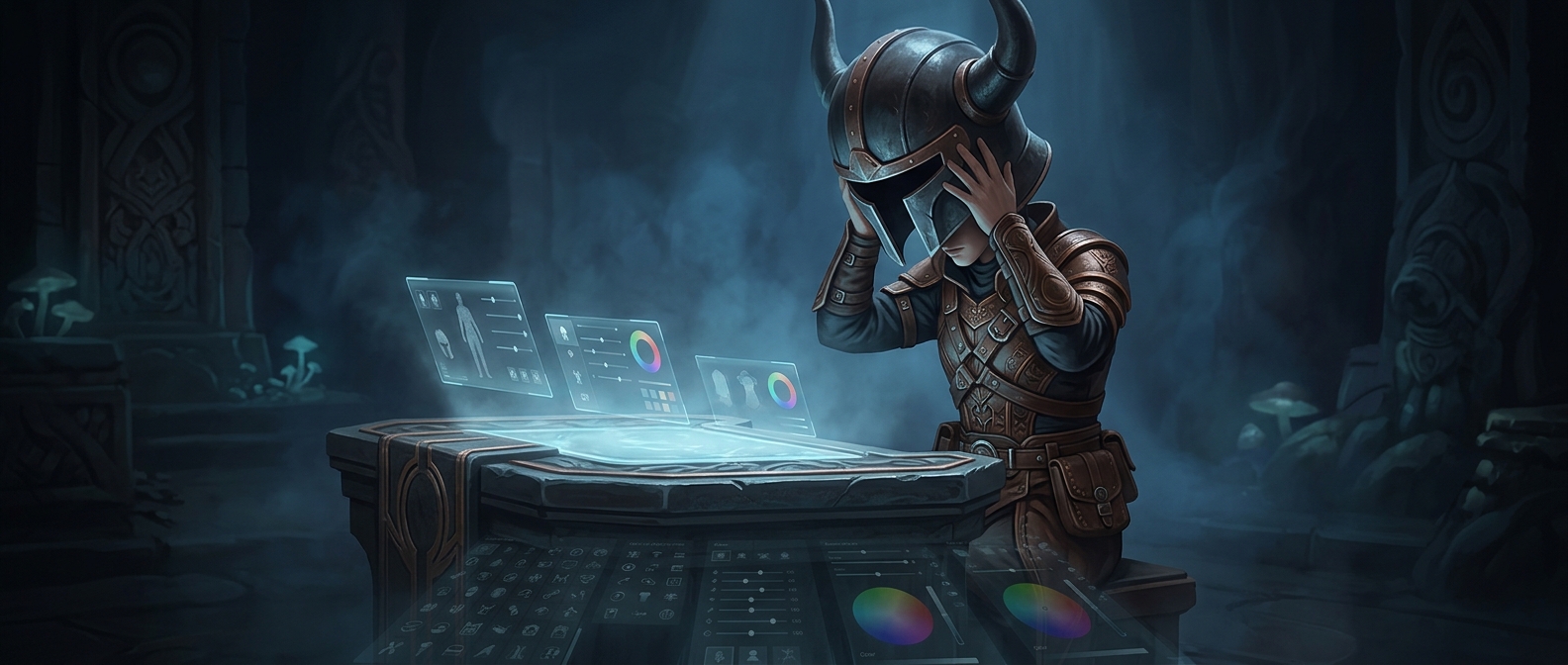
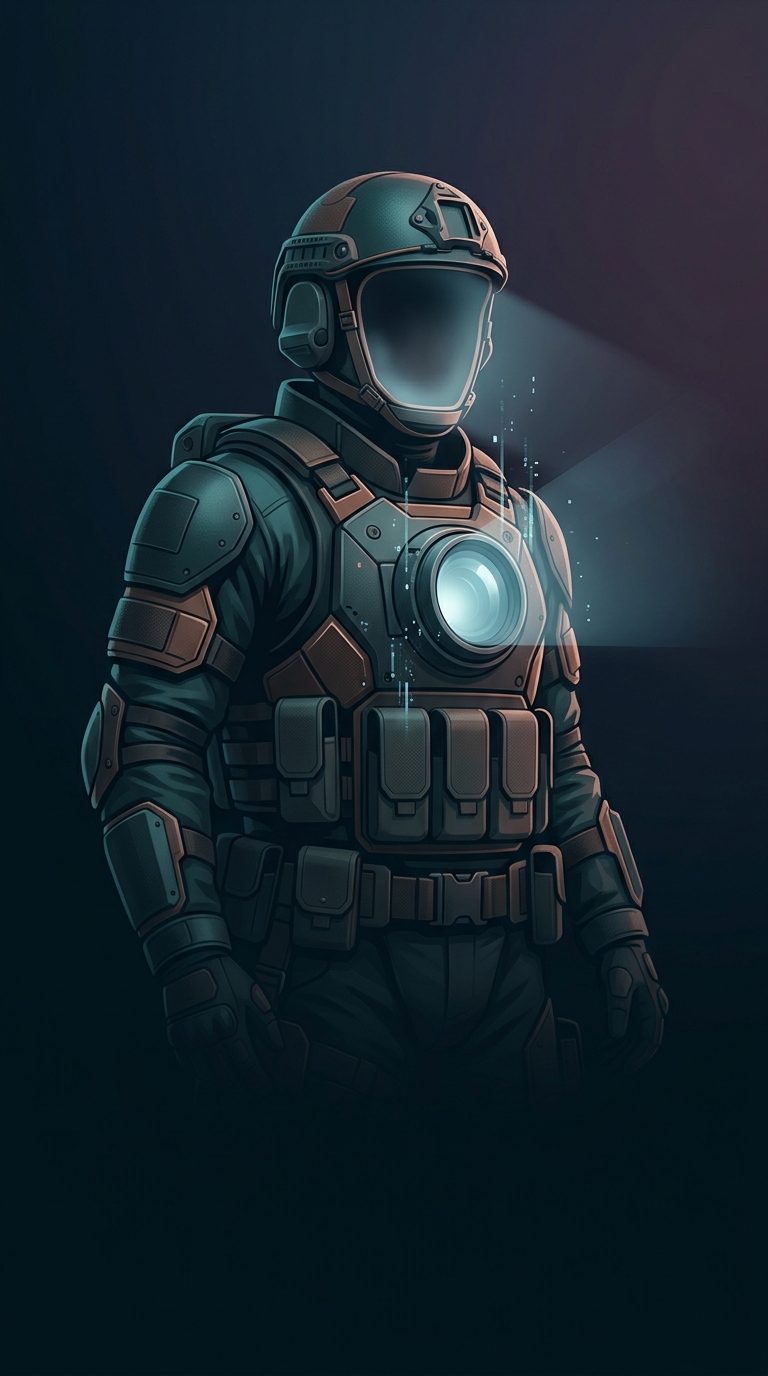
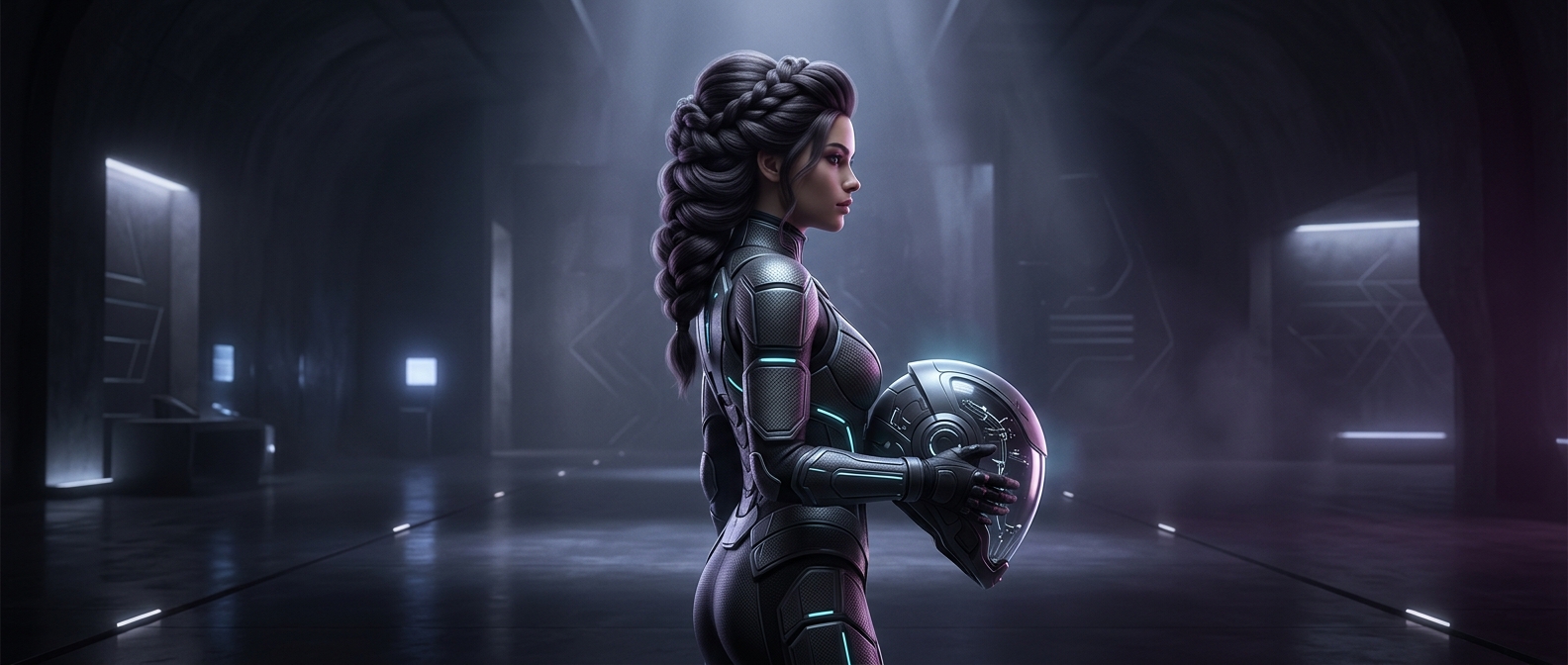
Character creation can take players through a series of small decisions: a hairstyle, a color, a piece of armor, or a facial feature. During play, those choices become visible again as the character moves through the world. The player is not just looking at a menu portrait anymore; they can see how the design reads in motion, against different backgrounds, or in a dramatic outfit.
That creates a quiet reward loop. The character’s appearance reflects time and personal taste, while ordinary gameplay keeps presenting chances to notice the result. A glance at the screen can turn into a pause to take in a look that took much longer to assemble.
The camera makes admiration a distraction
In many games, the character stays on screen while the player steers, fights, or explores. That arrangement makes the avatar easy to appreciate—but it also means attention is divided. Looking at the character, adjusting the camera, or lining up a screenshot can pull focus from the path ahead. If movement continues during that moment, the game’s terrain does not wait for the player to look back.
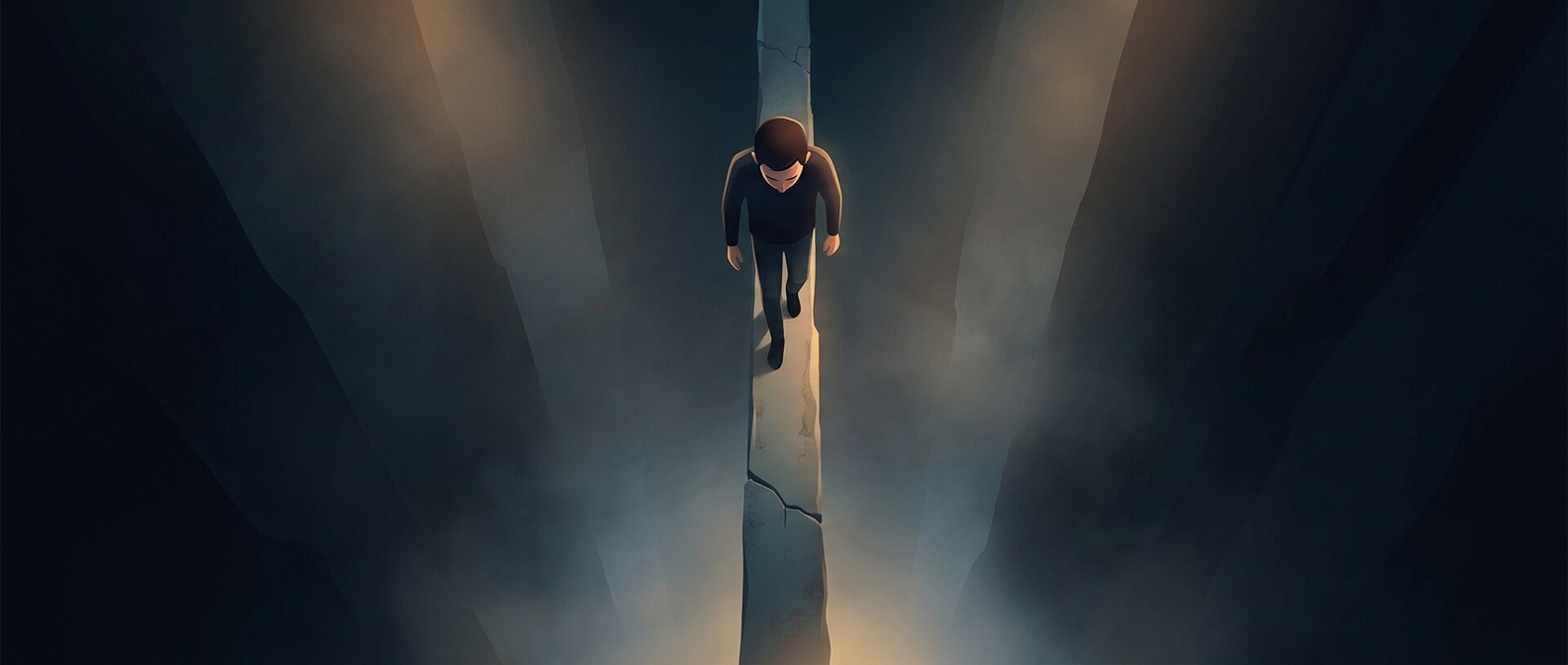
The risk is especially clear in games with exposed ledges or narrow routes: a brief lapse in watching where the character is going can have an immediate consequence. Admiring a custom design is therefore more than vanity. It is one of the small, player-made interruptions that can turn routine movement into a surprise fall.