What damage changes on the hair shaft
A strand of hair is built in layers. Its outer layer, the cuticle, consists of overlapping cells that normally lie relatively flat, like shingles. Heat, chemical treatments, weathering, and repeated friction can roughen or lift parts of this layer. The strand then catches more readily on neighboring hairs, so brushing feels harder and the hair may look dull or frizzy.
How conditioner reduces friction
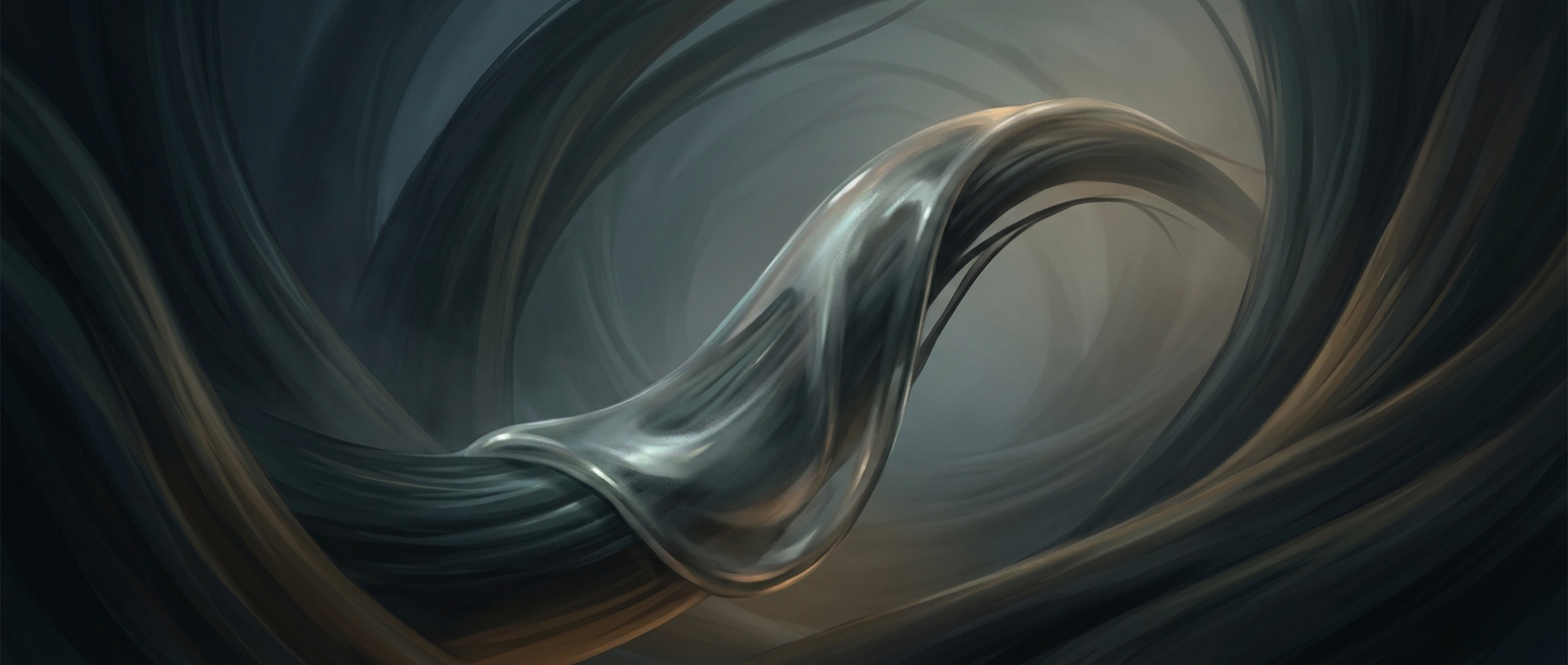
Conditioners contain ingredients that cling to the hair and make its surface easier to slide across. Many formulas use positively charged conditioning agents, which are attracted to parts of the hair surface that carry a negative charge, along with lubricating ingredients such as silicones or oils. The coating does not need to rebuild the cuticle: it changes how the existing surface behaves, reducing snagging and making strands easier to comb.
That easier movement matters beyond appearance. Less snagging can mean less force needed to detangle hair, which may help limit additional breakage during handling. But the effect depends on the coating, not on the damaged areas becoming new, intact hair.
Why the smoothness does not last forever
Washing and ordinary wear remove or shift some of the conditioning layer, so the roughness can become noticeable again. Conditioner can make damaged hair more manageable while it is in place, but it cannot restore the strand’s original structure. The smooth feel is a real change in friction—not proof that the damage has been undone.