Why a wax strip can hurt so sharply
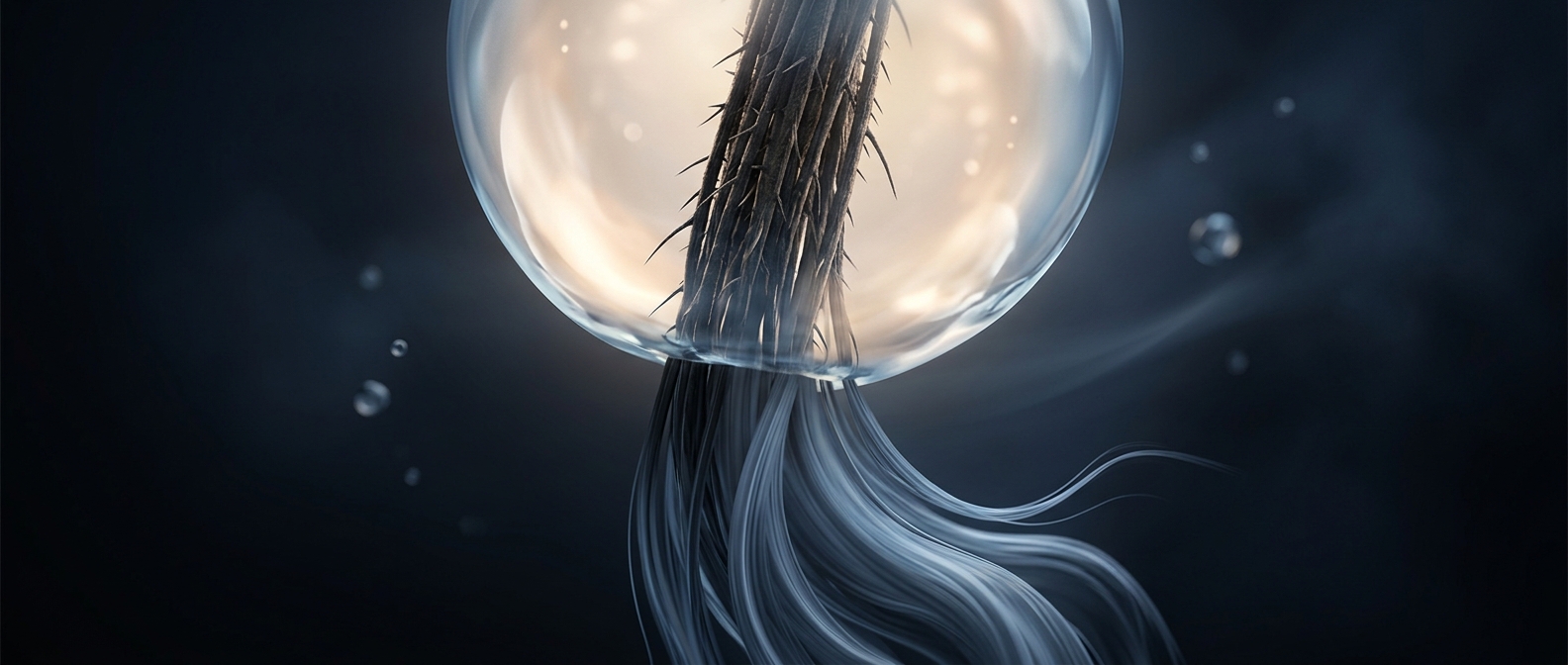
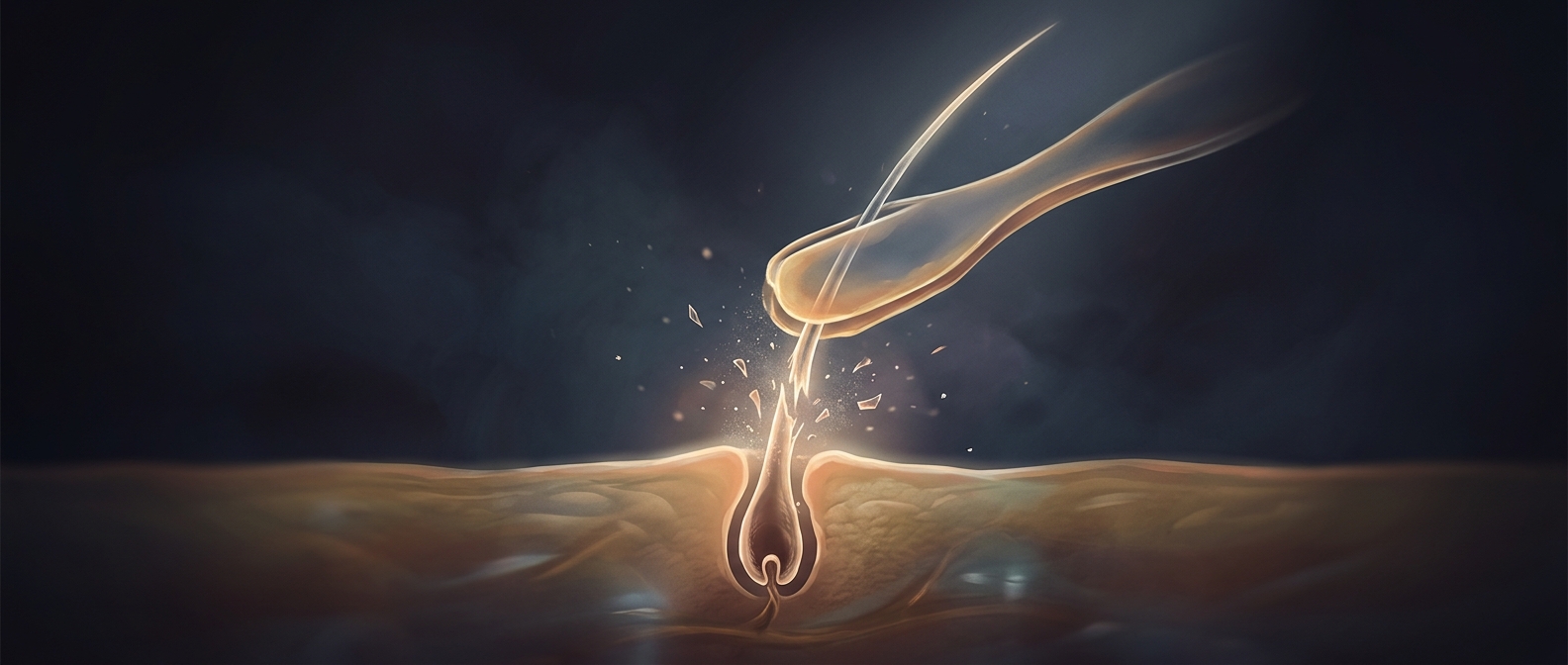
A hair is anchored inside a tiny skin structure called a follicle. The strand itself has no nerves, but the follicle sits in living tissue that does. When wax hardens around the hair and is pulled away, force travels down the strand and tugs on that surrounding tissue. Pain sensors in the skin register the sudden pull—not a signal from the hair.
The skin feels more than the hair being removed
The tug can briefly stretch or disturb the follicle’s lining and nearby skin. That helps explain why waxing may leave redness, tenderness, or small raised bumps even after the strip is gone. The reaction is usually temporary, though repeated irritation or overly hot wax can injure the skin.
The pull is also abrupt: many hairs are removed at once, and the skin is held in place while the strip moves away. That contrast concentrates the sensation into a quick sting. Areas where skin is delicate or firmly anchored can feel especially sensitive.
Removal is temporary, not permanent
Waxing pulls out the hair shaft and its lower end, but it does not normally destroy the follicle—the structure that can grow another hair. A new strand can emerge as the follicle continues its growth cycle. So the same living tissue that makes the pull hurt is also why the result eventually grows back.