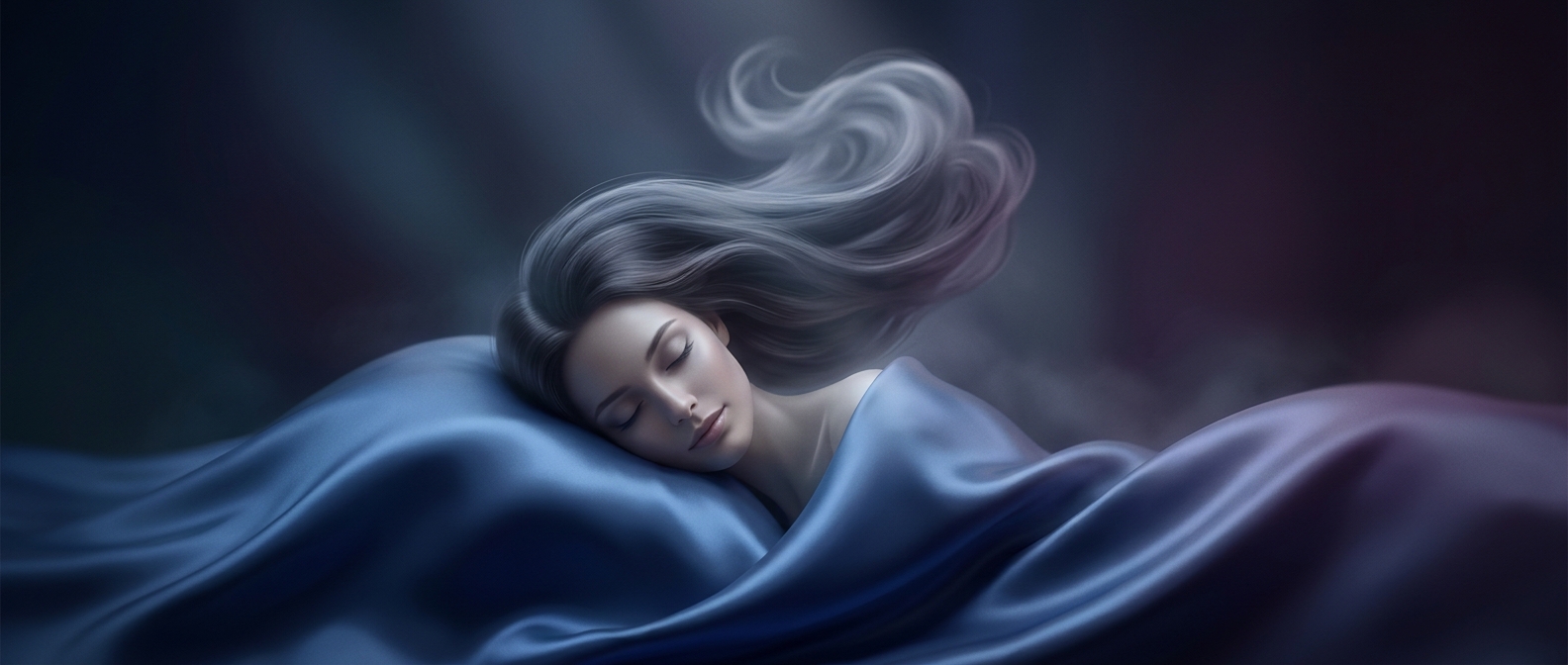
What happens to hair while you sleep
A pillow can turn ordinary movement into repeated rubbing. As your head shifts, loose strands drag across the fabric; some catch while neighboring hairs move in different directions. That friction can leave hair tangled by morning and, over time, contribute to wear such as fraying or breakage—especially when strands are already fragile or prone to tangling.
Why silk can mean less snagging
Silk’s smooth surface lets hair move across it with less resistance than many cotton fabrics. The difference is modest but practical: fewer strands catch as you roll over, so there is less pulling as hairs cross and knot together. It does not stop all tangles, but it can reduce one source of overnight friction.
The benefit is about the fabric surface, not a special treatment that repairs hair. A silk pillowcase cannot reverse existing damage or prevent breakage caused by other factors, such as rough brushing or chemical processing. Its role is simpler: make the nightly contact gentler.
A small change with a morning payoff
Hair that has snagged less may be easier to comb or style after waking, with less need to pull through knots. People with curls, long hair, or strands that tangle easily may notice that difference most. The pillowcase is not a substitute for careful hair care, but reducing friction while you sleep can mean fewer knots to work through in the morning.