What a brief hormonal shift could—and could not—do
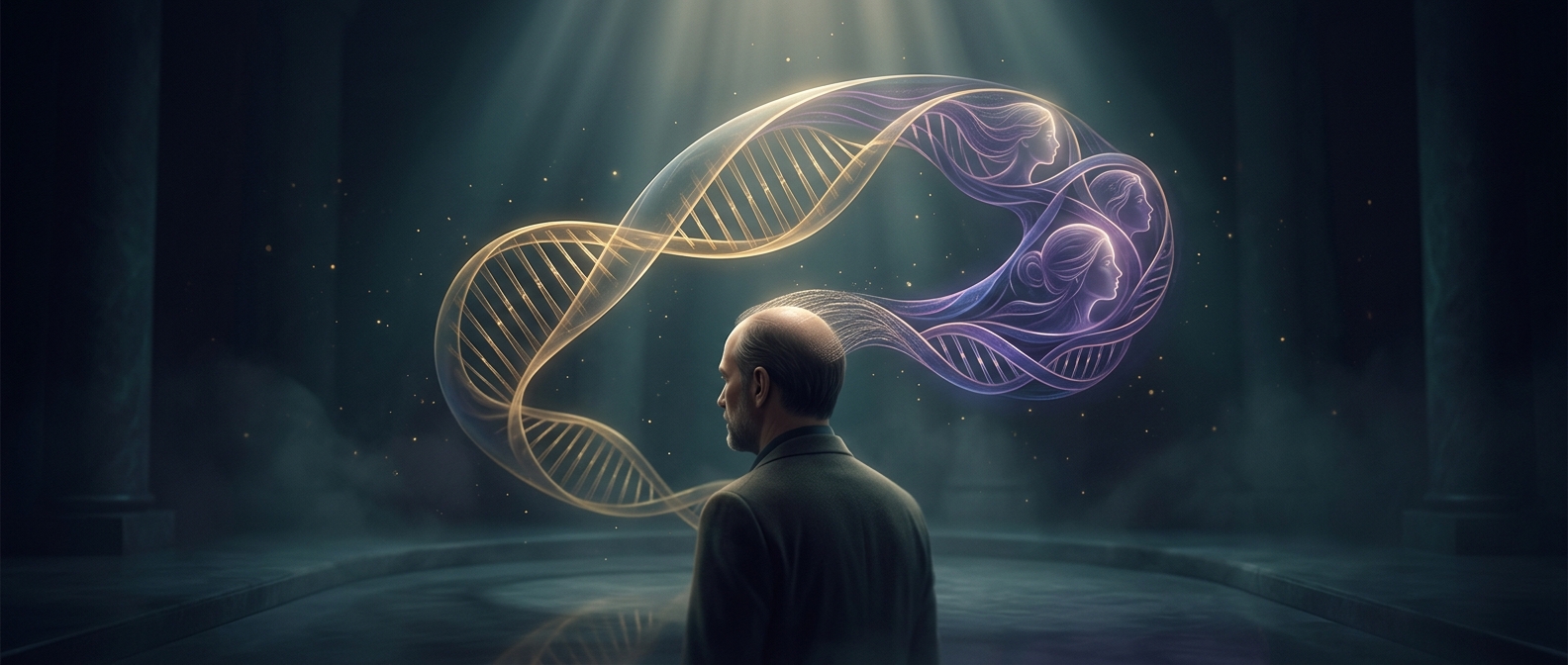
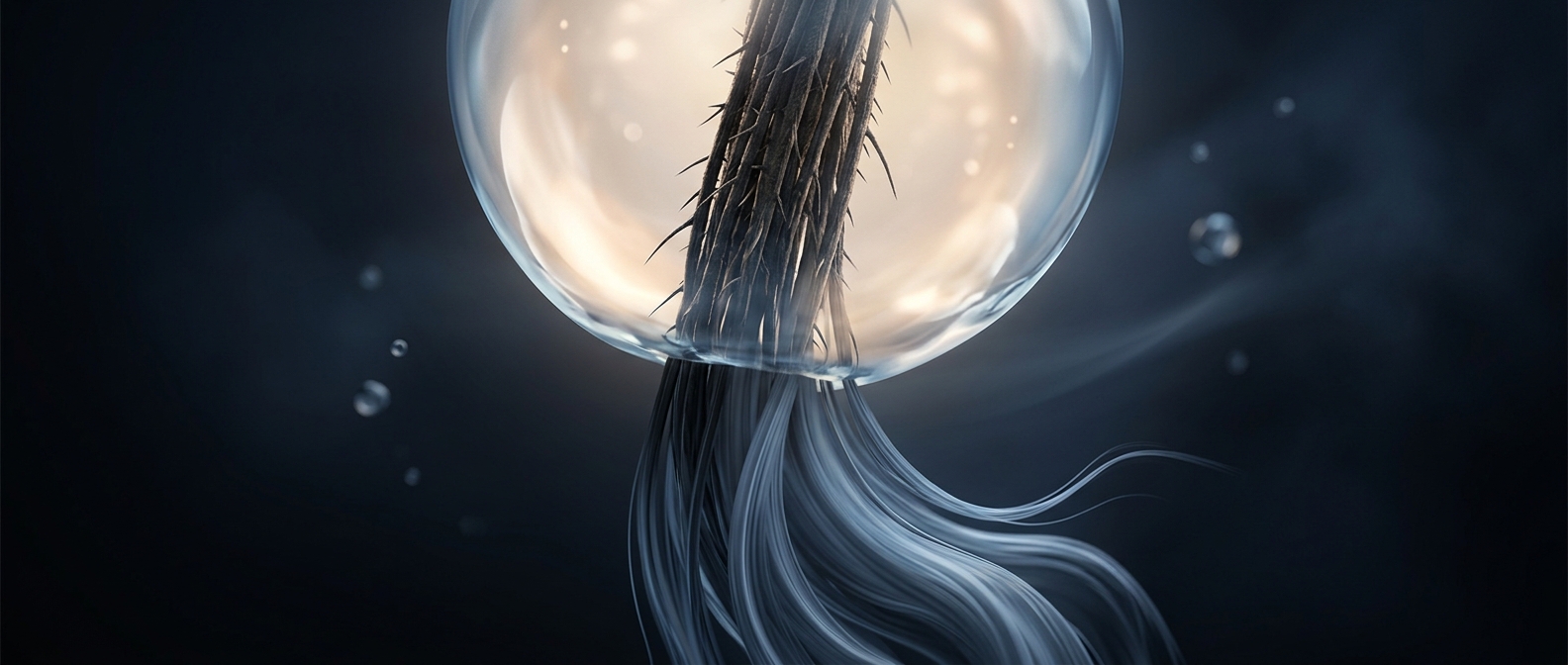
Facial hair grows from follicles in the skin, and hormones help determine how those follicles behave. In particular, androgens such as testosterone can promote the development and growth of beard hair. Follicles do not all respond equally: their sensitivity, shaped in part by genetics, helps explain why one person grows a dense beard while another does not.
Anticipating romance might produce a small hormonal change. If it affects hormones that influence facial-hair follicles, it could in principle nudge growth slightly. But a momentary change is not the same as a sustained signal to the follicles, and any effect would be subtle—not a sudden burst of visible stubble.
Why the mirror may not tell you much
Beard growth unfolds over time, while hormones naturally fluctuate. A small change would be difficult to separate from ordinary variation, and differences in lighting, shaving, or the timing of a check can make stubble seem more or less noticeable. Romantic anticipation is therefore no dependable way to speed up a beard; at most, it offers a plausible route for a minor, temporary influence on a process that is mostly shaped by longer-term biology.