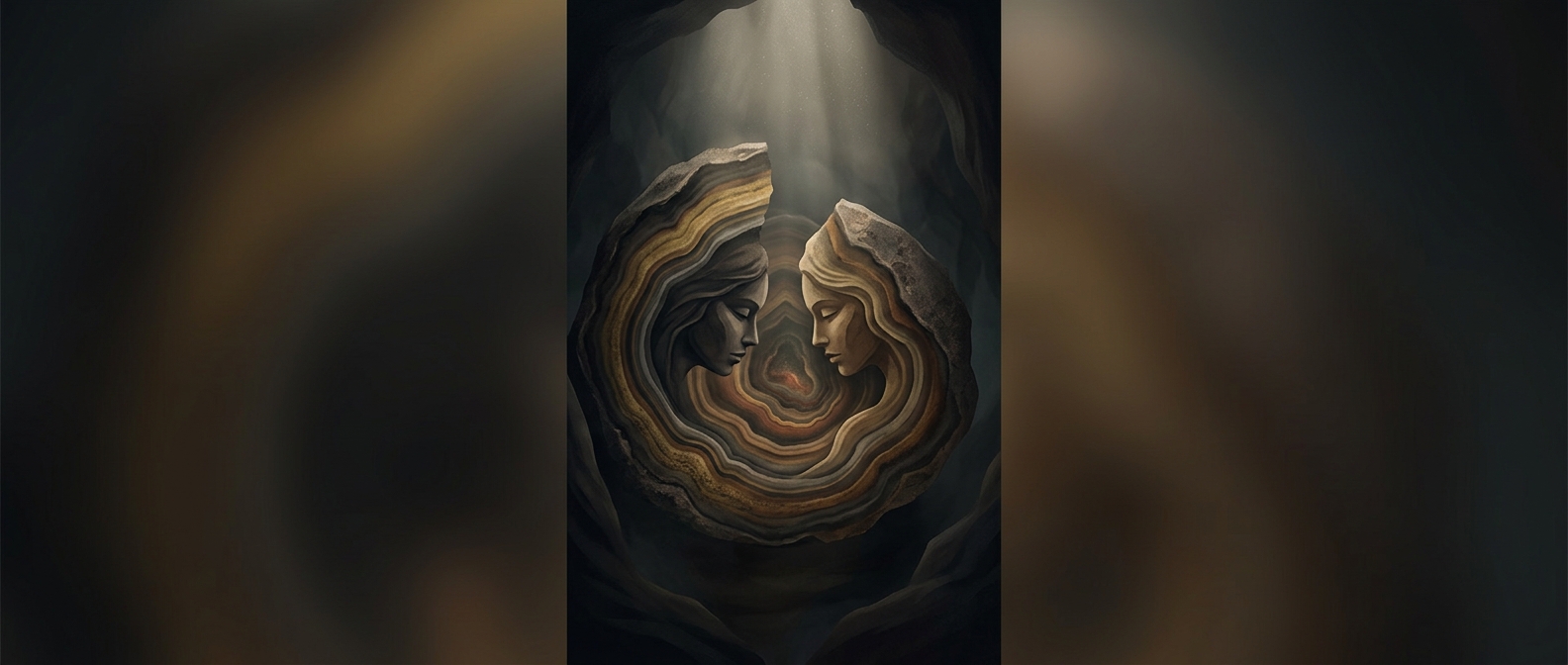
Genes Set the Pattern, Not Every Ridge
Identical twins begin with nearly the same genetic blueprint, which helps explain why their fingerprints can share broad features. But fingerprints are not copied directly from DNA. Their tiny ridges take shape as a fetus’s fingers grow, influenced by local conditions such as pressure, movement, and the way the fingers contact surrounding tissue.
Those conditions vary slightly from one finger to another—and between the two fetuses. Small differences in growth and contact alter where ridges split, end, or form islands. The result is a distinctive arrangement of fine details, even when the twins’ genetic starting point is almost identical.
Why the Difference Matters
A fingerprint’s broad pattern—such as a loop, arch, or whorl—is only part of its identifying detail. Comparisons also examine the placement and direction of many smaller ridge features. Those fine arrangements are why identical twins can have different prints rather than matching copies.
So twin resemblance can complicate identification by face or DNA, but it does not make one twin’s fingerprints interchangeable with the other’s. The tiny variations formed before birth leave each twin with a separate pattern on every finger.