Why high-band 5G needs closer-spaced transmitters
Some 5G networks use very high radio frequencies to carry large amounts of data. Those signals can move information quickly, but they have a physical drawback: they weaken more rapidly over distance and are more easily blocked by walls, foliage, and other obstacles than lower-frequency signals.
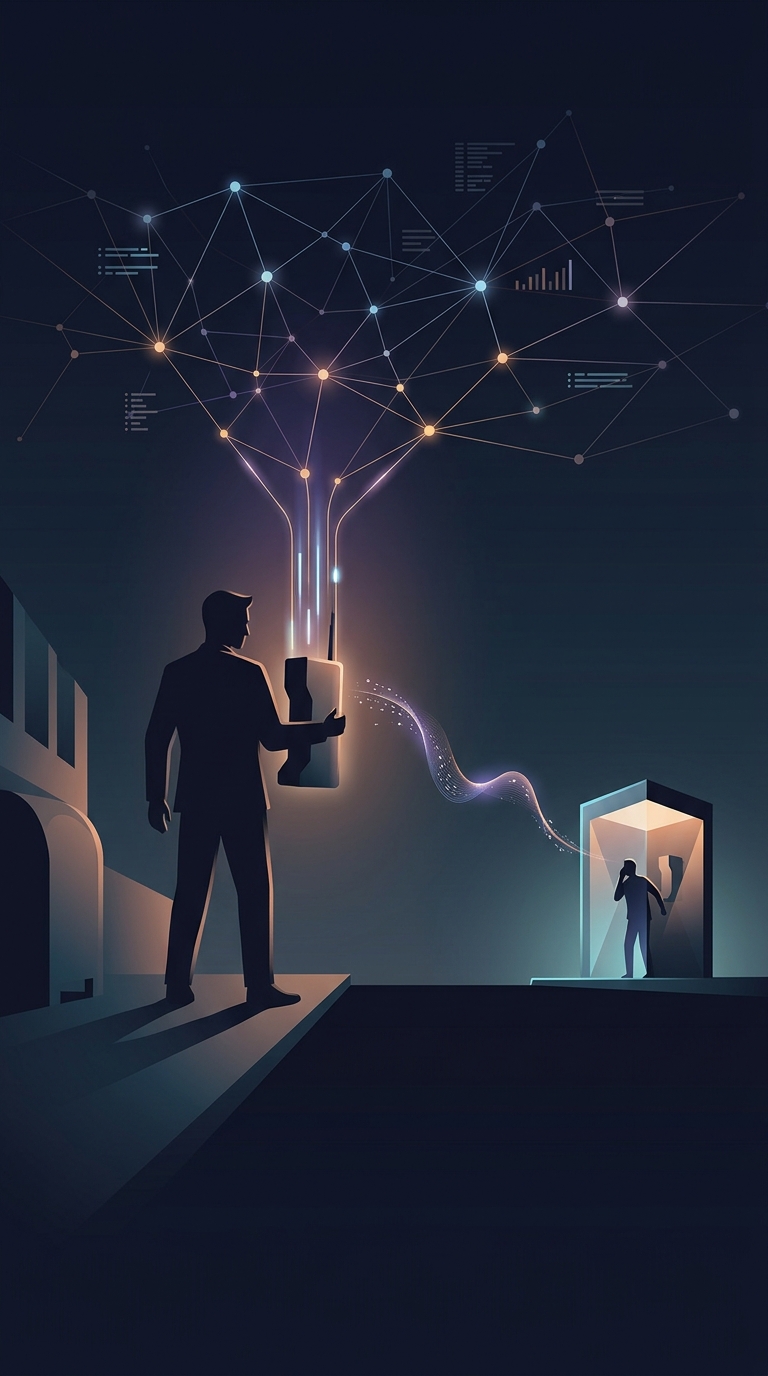
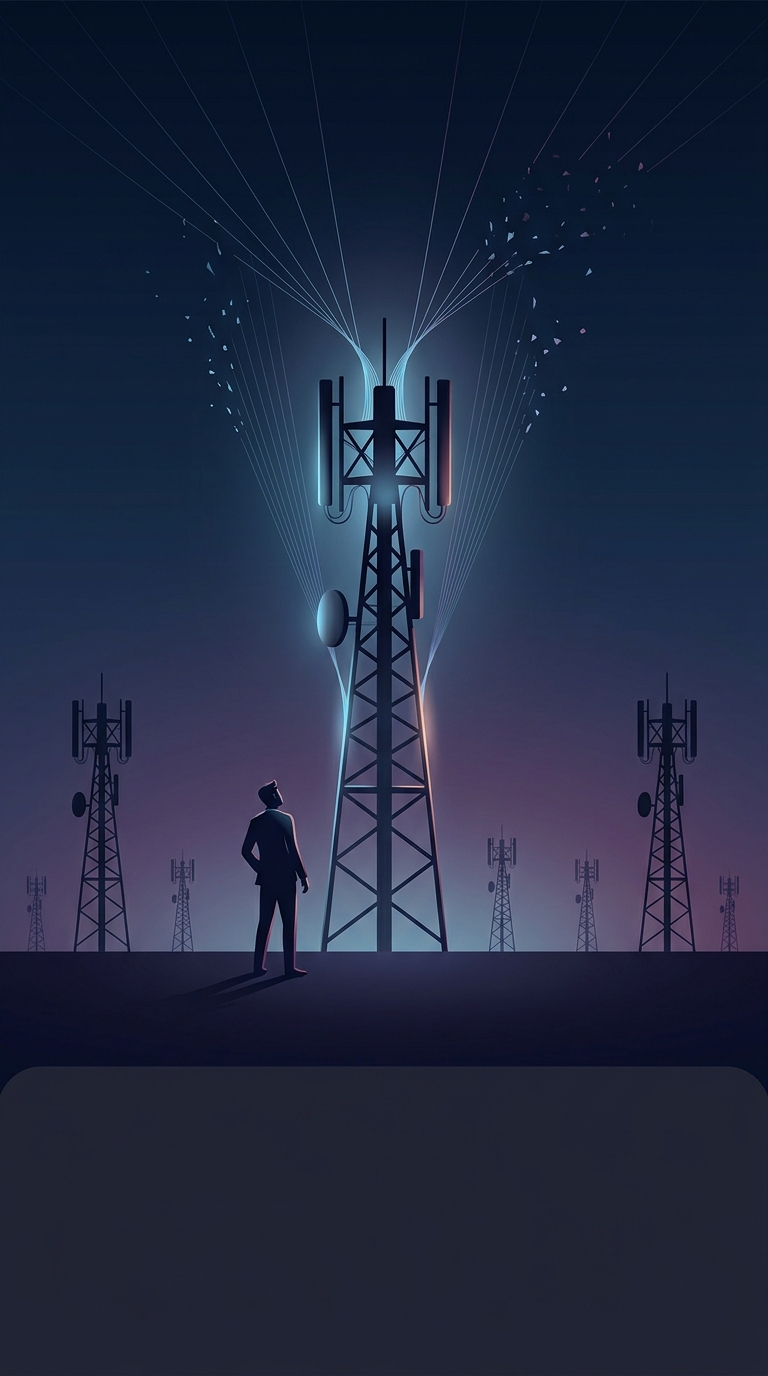
A phone can therefore lose a strong connection after moving behind a building or even farther down a street. To keep coverage continuous, carriers place transmitters closer together, often on small cells attached to streetlights, utility poles, or building walls. Each serves a smaller patch of ground than a traditional cell site.
Coverage and capacity are different problems
The extra sites do more than fill gaps. A small cell also serves fewer people at once, helping provide capacity in busy places where many phones compete for network resources. But adding sites means more equipment, power, backhaul connections, and locations to install and maintain it.
The tradeoff depends on which 5G frequencies a carrier uses. Lower-frequency signals travel farther and pass through obstacles more readily, so they can cover broad areas with fewer sites. They generally offer less capacity than the highest bands. The denser-tower effect is strongest where 5G relies on high-band signals—not a requirement for every 5G network.