What the extra cost is really buying
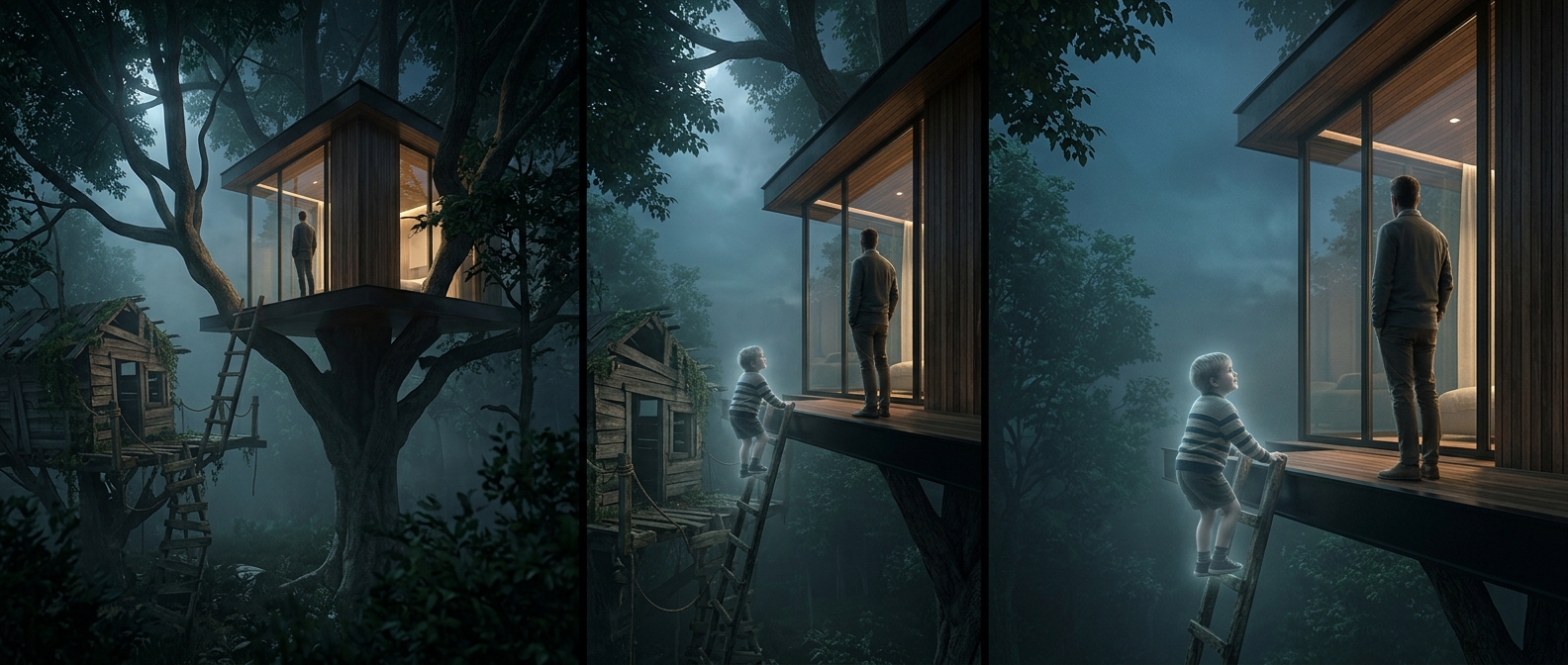
A treehouse stay is priced less like an ordinary room and more like a small, site-specific attraction. Guests are paying for the setting and the feeling of being suspended among trees—not simply for a bed. That experience can command a premium even when the room is modest.
Building above the ground changes the job
A conventional cabin can rest on a straightforward foundation. A treehouse has to fit its terrain and avoid harming the trees it is built around. Its supports, access route, and layout may all need to be adapted to the particular site. Getting materials and workers into a wooded location can also be more difficult than building beside a road.
The result may have less floor space and fewer conveniences than a standard hotel room, while taking more thought to construct and maintain. Stairs or bridges replace an easy ground-level entrance; weather and the surrounding trees can shape what the building can offer.
The tradeoff is part of the appeal
For travelers, those quirks can make the stay feel distinct from a typical overnight stop. For the operator, the challenge is making an unusual structure safe, comfortable enough, and appealing to guests without stripping away the sense of being in the trees. The premium reflects that combination of specialized lodging and a memorable setting—not a guarantee of luxury.
That is why a drafty room or awkward climb does not necessarily defeat the point: for some guests, the unusual route to bed is part of what they came to experience.