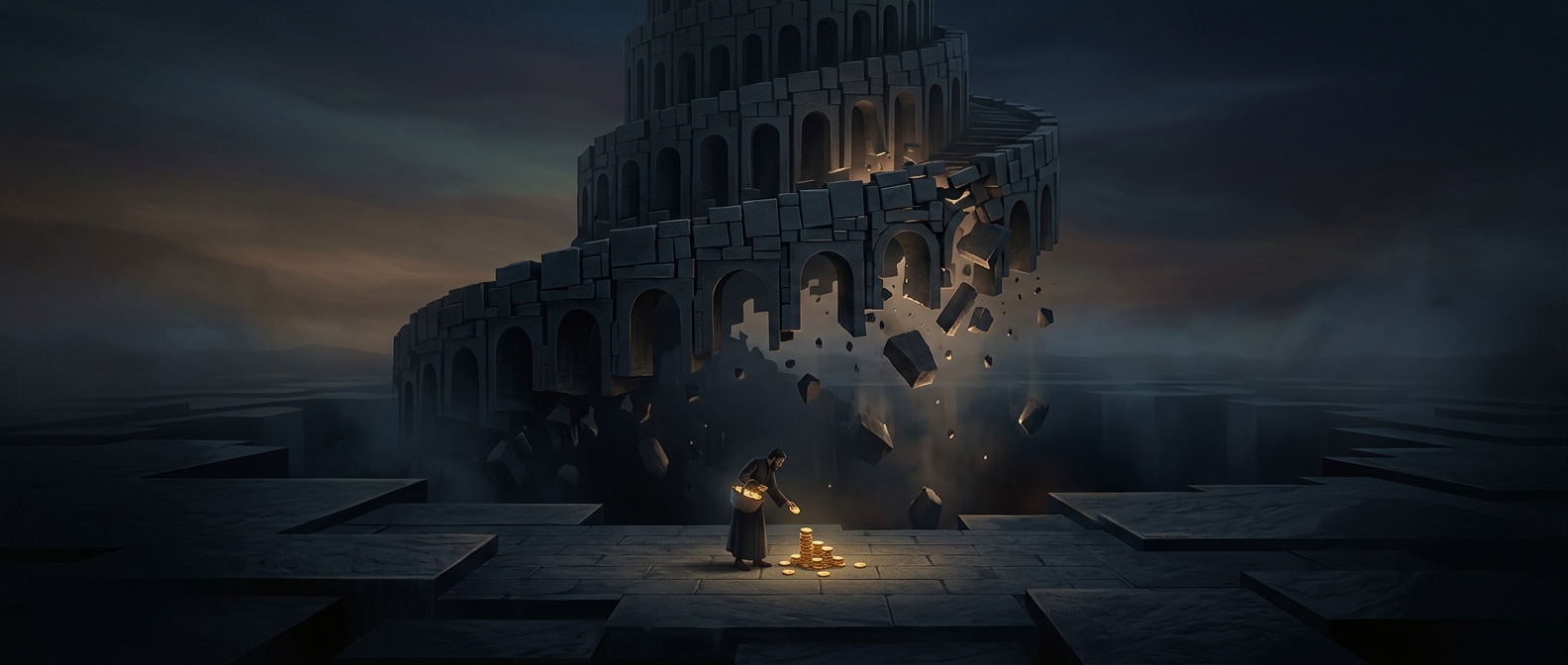
How One Better View Becomes Everyone’s Problem
A person who stands at a concert can improve their own view because they rise above the seated crowd. But that choice also changes the conditions for everyone behind them: those people may have to stand, too. Once the response spreads through the audience, standing no longer gives anyone a relative advantage. It has simply raised the effort required to see the stage.
The Part Is Not the Whole
This is the fallacy of composition: assuming that what works for one person, or one small part of a group, will work the same way when everyone does it. The first person’s gain depends on other people remaining seated. If everyone copies the move, that advantage disappears.
The mistake is easy to miss because each decision can seem reasonable in isolation. A person sees a blocked view and stands; the next person faces the same problem and does likewise. No one needs to intend to spoil the concert. The outcome emerges from many individual responses to the same incentive.
Why the Distinction Matters
The same pattern can appear wherever one person’s advantage relies on others not making the same move. A shortcut may save time for one driver, for example, but if everyone takes it, congestion can erase the time saved. The key question is whether an action changes the situation for other people—and whether its benefit depends on being unusual.
At the concert, the result is visible in a few moments: one person stands to see better, and soon an entire crowd is on its feet, with no clearer view than before.