How Depression Became a Creature in Harry Potter
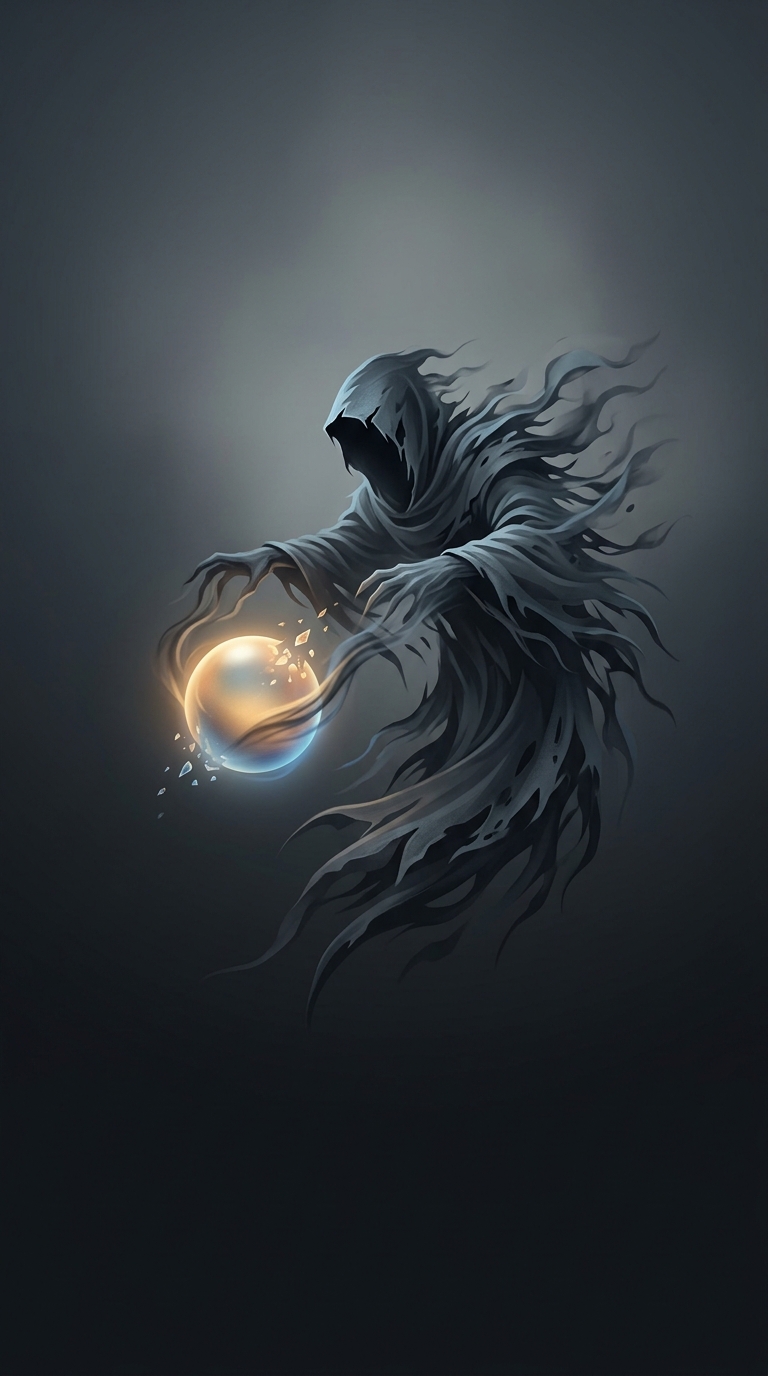
Dementors turn an invisible condition into something the reader can watch happen. In the books, they do not simply frighten people: their presence makes the world feel colder and darker, while victims lose access to comfort and hope. That physical pressure gives emotional suffering a shape—and makes it clear why someone nearby might recognize the danger without being able to see its source.
Why Harry Is Especially Vulnerable
The creatures also connect the series’ external danger to Harry’s inner life. When a Dementor attacks, Harry is forced to relive his parents’ deaths, a trauma he cannot remember in ordinary circumstances. The attack therefore works on two levels: the creature drains those around it, while Harry’s encounter pulls buried pain into the present. His distress is not a lack of courage; it is a response to both the Dementor and the memories it triggers.
A Defense Built From Memory
The counterspell, the Patronus Charm, makes the metaphor active rather than merely bleak. Casting it requires a powerful, sustaining memory, which the wizard uses to produce a protective figure of light. The defense does not erase the past or make Harry invulnerable. Instead, it gives him a way to draw on a source of hope when the Dementor is trying to overwhelm it.
That design lets the story dramatize a difficult idea: hope can be hard to reach under pressure, but it can still be summoned and strengthened. A Patronus is not a cure for depression; within the fiction, it is a practiced defense against a creature that makes despair feel inescapable.