How “black bile” became an explanation for despair
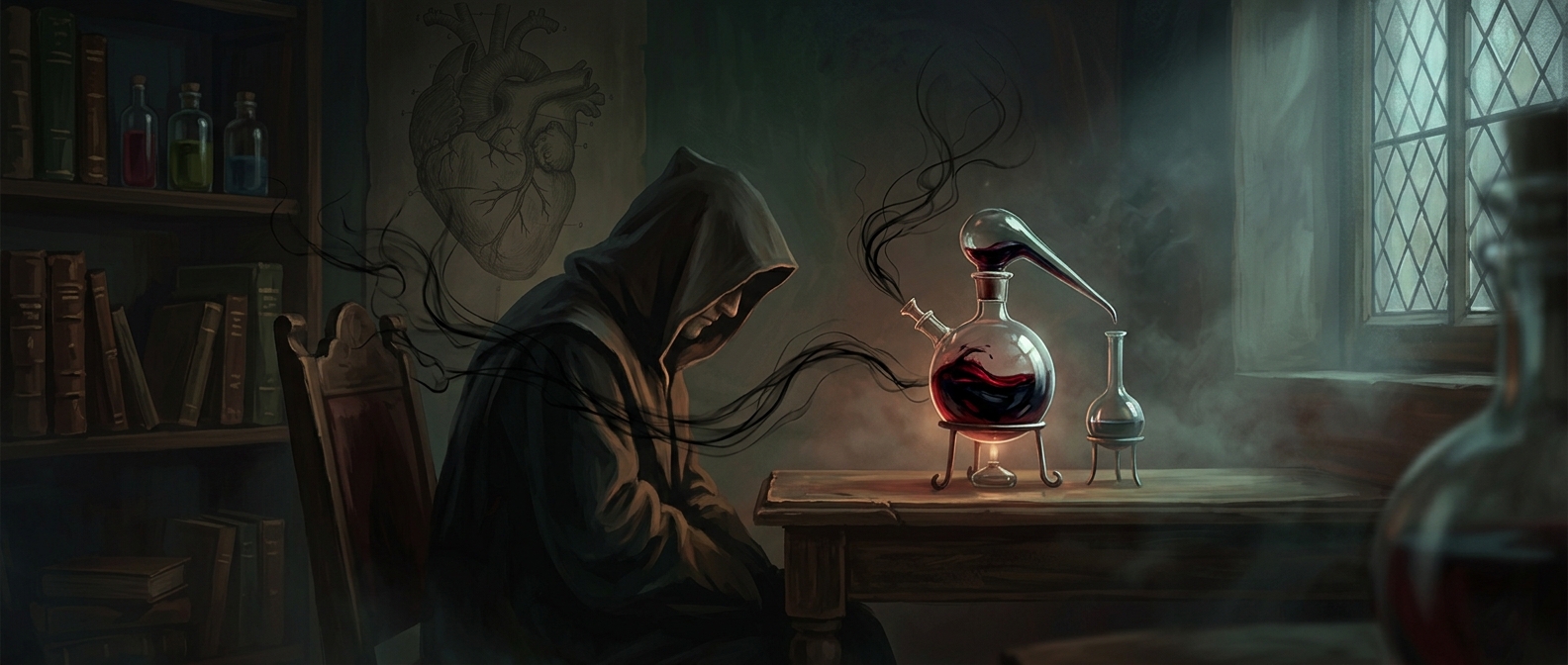
Ancient Greek medical writers described health through four bodily fluids, or humors: blood, phlegm, yellow bile, and black bile. In this model, illness arose when the humors were out of balance. Black bile was associated with a temperament called melancholia—the word itself combines Greek terms for “black” and “bile.”
The fluid was not simply a poetic name for sadness. Physicians treated it as a real substance that could collect in the body, and some accounts linked an excess to heaviness, fear, and persistent low spirits. The theory offered a physical cause for suffering that might otherwise seem mysterious, even though its proposed mechanism was wrong.
A bodily theory with a lasting name
The humor system connected physical condition to personality and mood. A person considered “melancholic” was understood not only to feel sorrow but to have a bodily constitution thought to produce it. That made despair part of a broader medical picture, rather than solely a moral failing or spiritual weakness.
Later medicine abandoned black bile as an explanation of mental illness. The word melancholy, however, survived the theory that gave it meaning. Its history preserves an old attempt to explain emotional suffering through the body—and a reminder that a medical label can outlast the science behind it.