Why the Great Wall disappears into the landscape
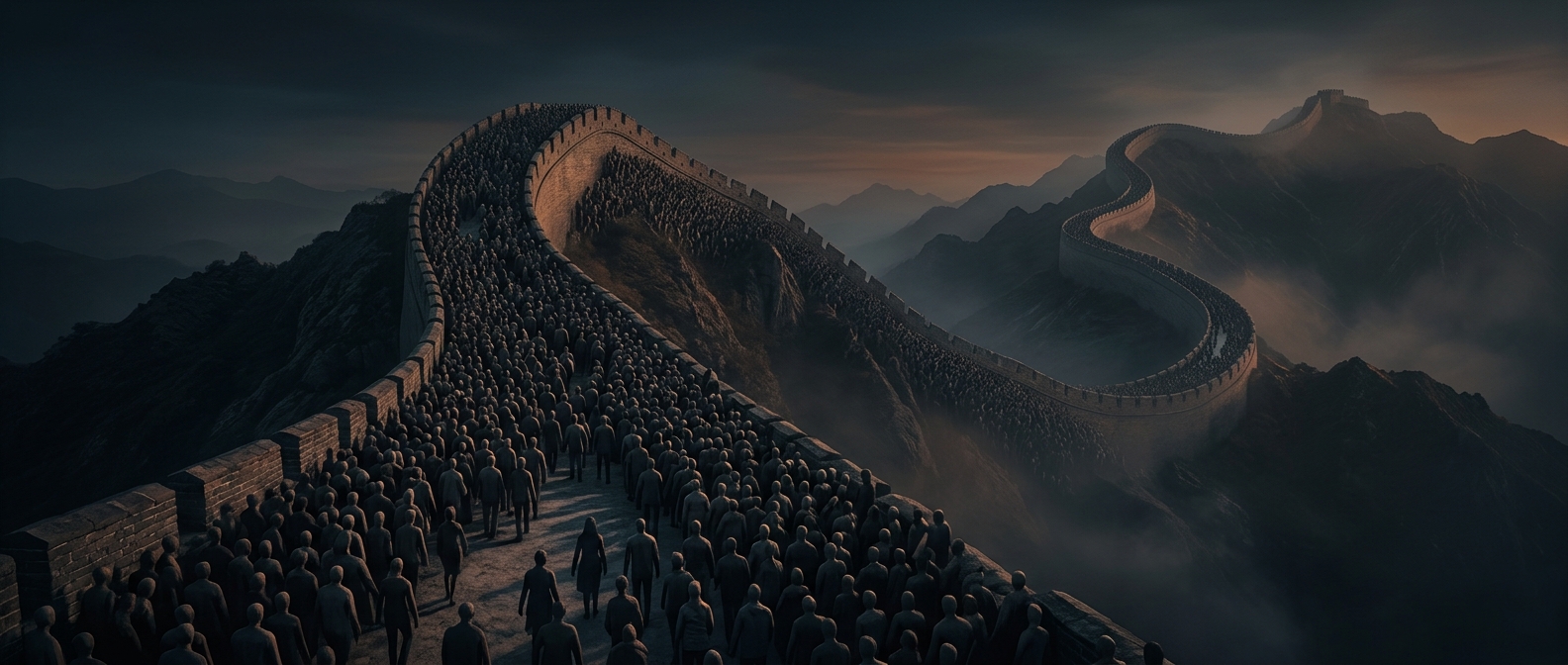
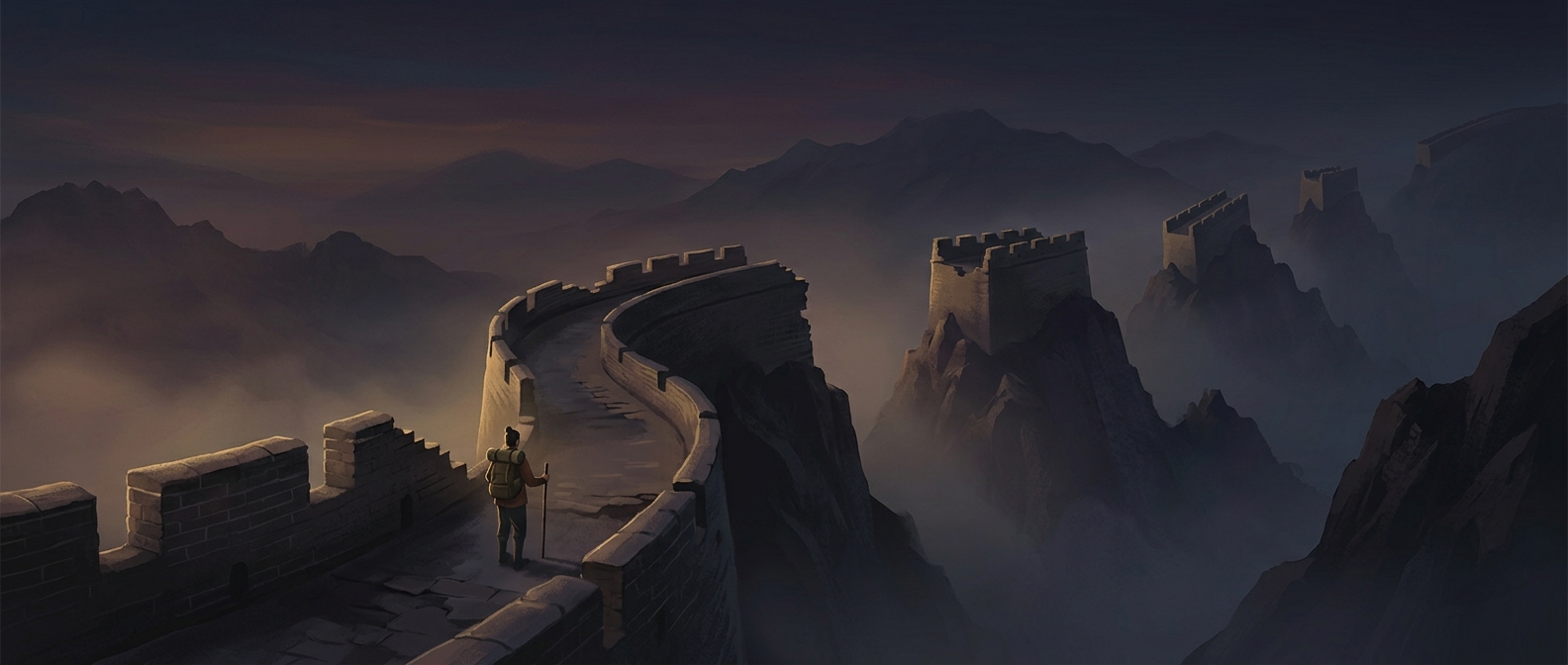
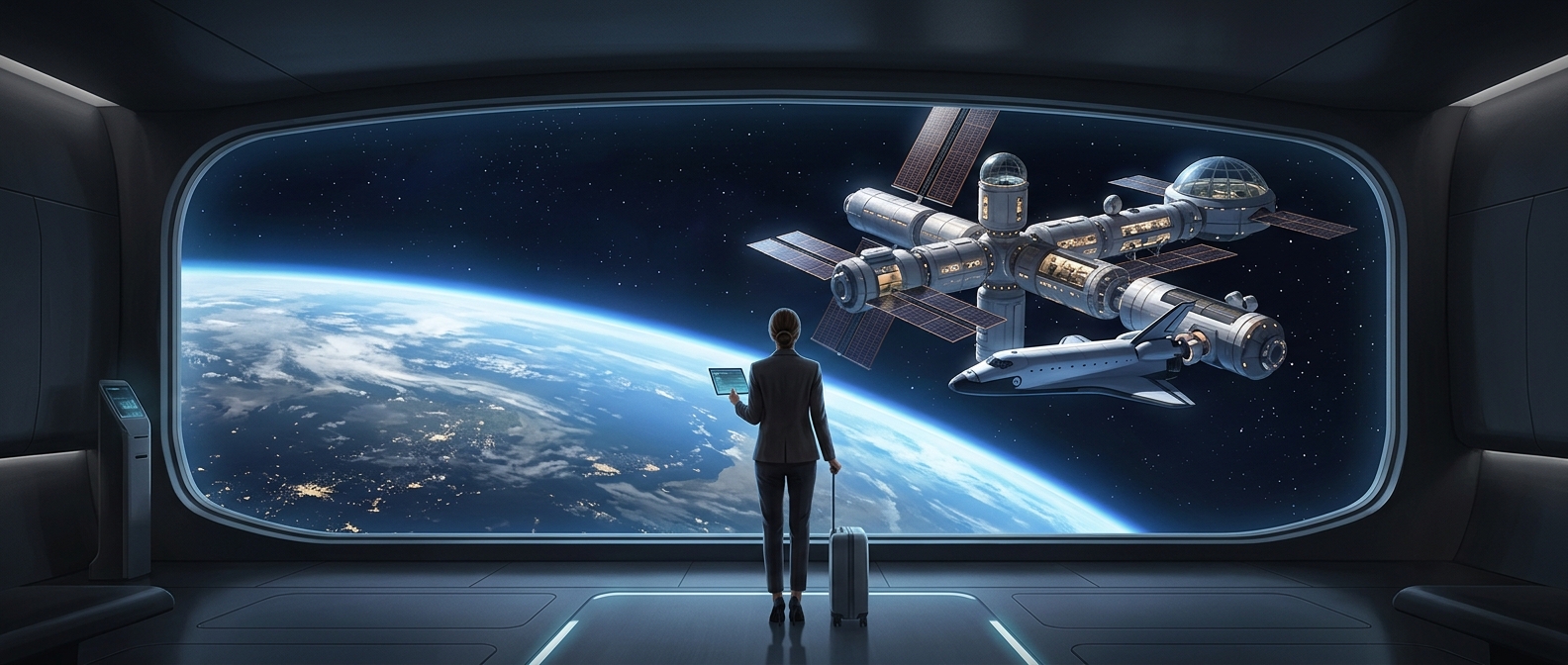
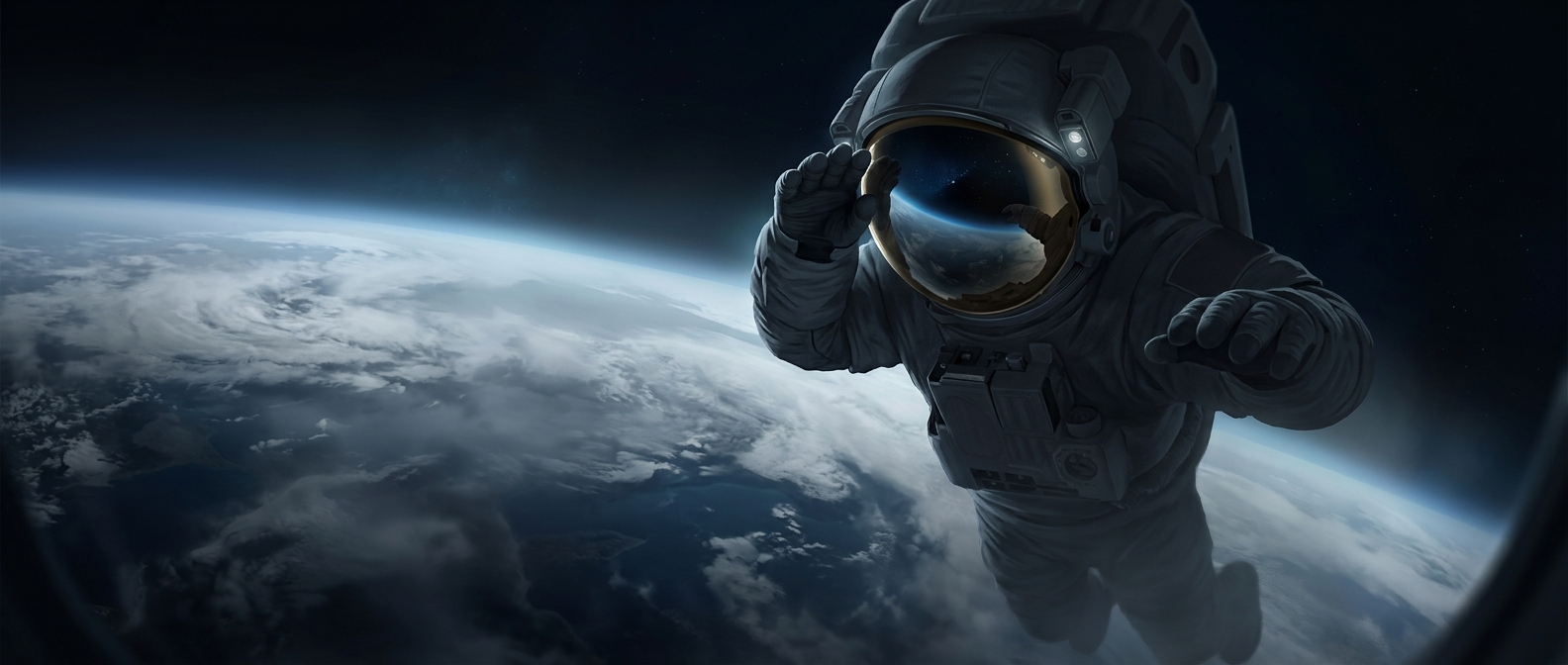
The Great Wall is long, but length alone does not make a structure easy to see from orbit. Much of it is only a few meters wide—a thin line spread across a vast landscape. From low Earth orbit, that line occupies very little of an astronaut’s view, and its earthy materials often blend into nearby hills and rock.
The eye must distinguish the wall from everything around it. When wall and terrain have similar colors and brightness, their edges are hard to pick out, especially through haze or changing light. A feature can be physically present yet leave too little contrast for the naked eye to resolve.
Why roads can stand out more
A highway may be easier to notice not because it is longer, but because it creates a clearer visual signal. A paved surface can contrast with the ground, while bright streetlights at night form distinct points against darkness. The wall’s stone and packed-earth sections, by comparison, often resemble the terrain they cross.
This is a matter of visibility, not whether the wall can be detected by any means. Cameras, maps, and image processing can reveal narrow features that a person looking out a spacecraft window might miss. The useful distinction is between seeing a faint line with the naked eye and locating it in a photograph or other instrument-based image.
A landmark built to merge with its setting
On the ground, the wall’s scale becomes legible through its towers, bends, and repeated sections across ridges. From orbit, those details shrink into a landscape where color and width matter more than historical importance. Its most famous quality—stretching across the terrain—does not guarantee that it will stand out from it.