Why a Red Shell Can Erase a Lead
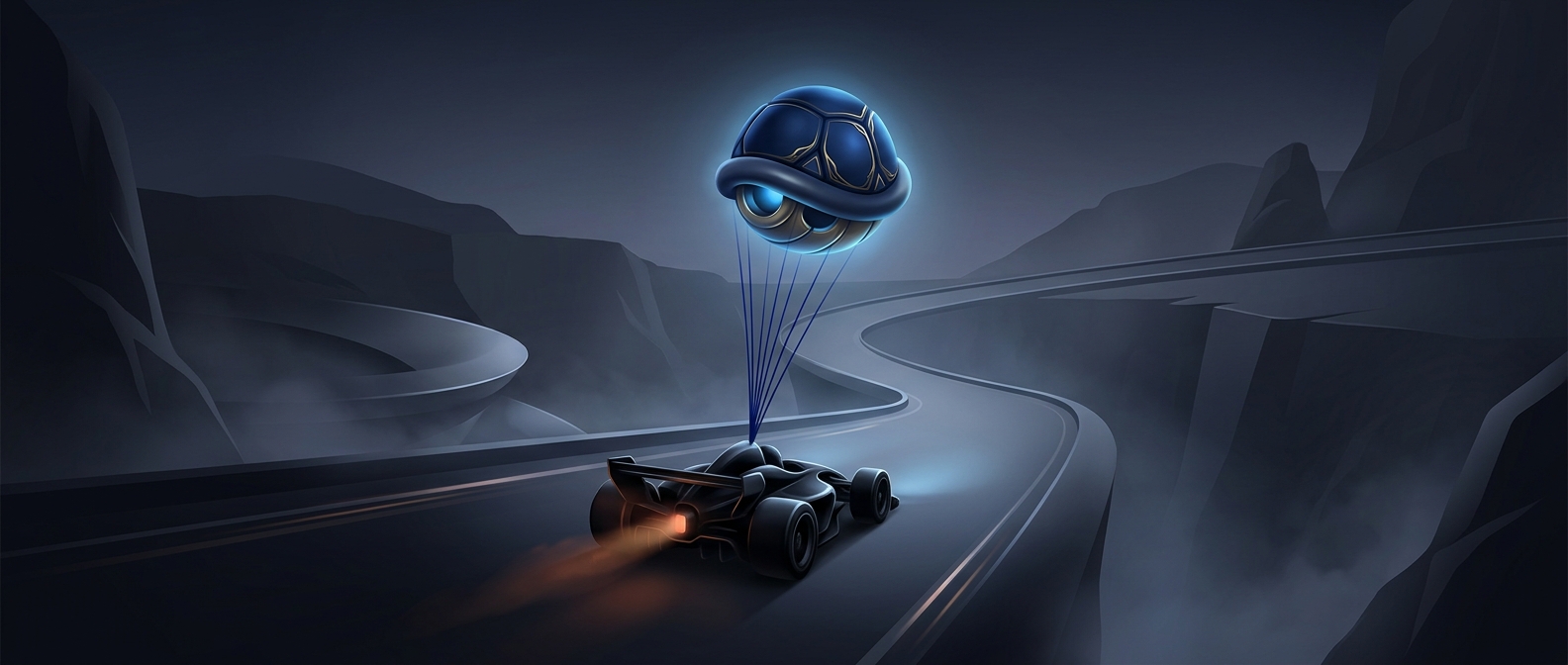
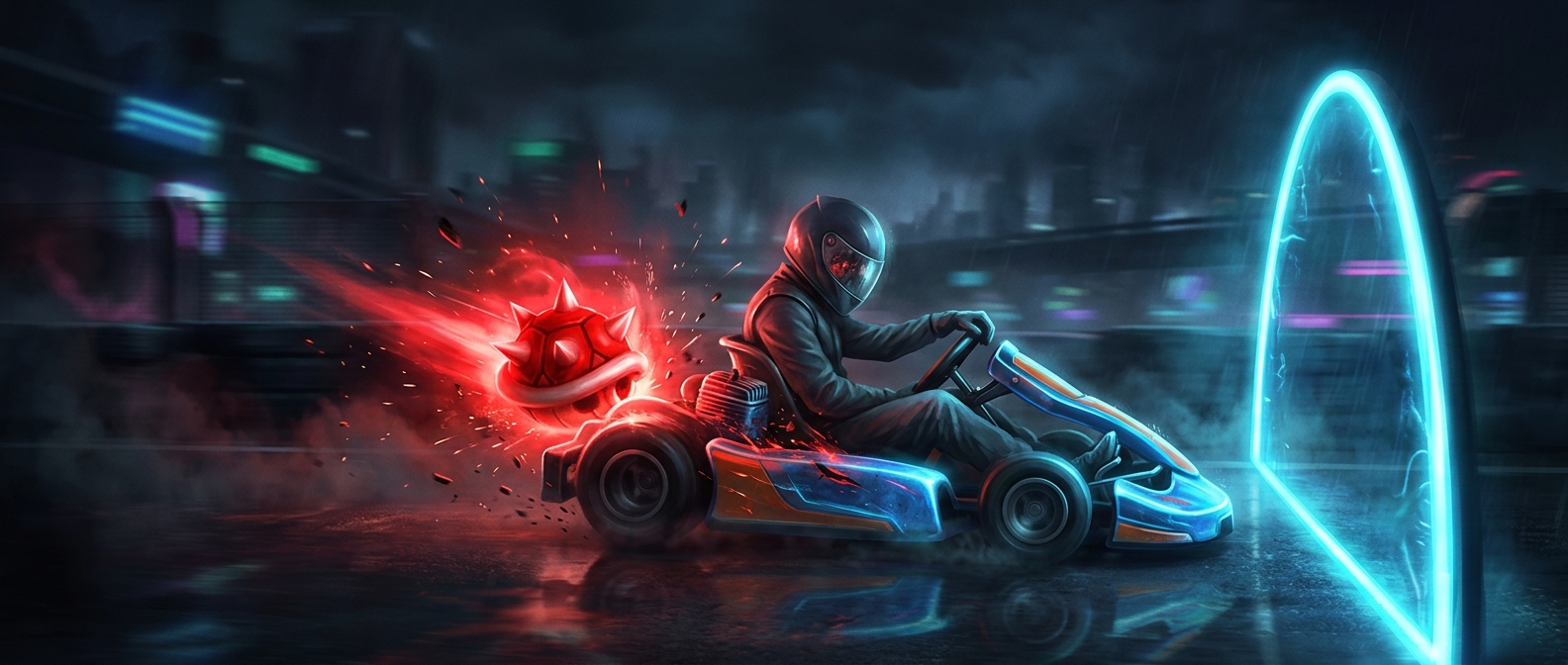
A red shell turns position into a target. Once thrown, it steers toward the racer ahead rather than simply traveling in a straight line, so the leading player has less room to evade than they would with an ordinary projectile. The shell’s threat is especially sharp on a narrow stretch of track, where a quick change of direction may not be enough to escape it.
The Hit Costs More Than a Moment
When the shell connects, the racer spins out and loses speed. That interruption is costly because racing games reward uninterrupted momentum: while the leader recovers, nearby rivals can drive past, and the gap built over several turns or even laps can collapse in seconds. The shell does not need to make the leader fall far behind; it only needs to turn a small opening into a pass.
That sudden reversal is part of the item’s design appeal. A race is not decided solely by clean driving, and a trailing player has a way to challenge someone who has pulled ahead. But the same mechanic makes a lead feel provisional: the front-runner must keep racing well while also anticipating attacks.
A Threat That Changes the Race Before It Hits
The shell’s influence is not limited to impact. A leader who suspects one is coming may change lines, slow down, or try to preserve a defensive item instead of using it for speed. Those choices can cost time even if the shell misses or gets stopped. The red shell makes the leader spend attention and momentum on staying first, which is why a race can feel unsettled long before the shell reaches its target.