The gamble behind Nicholson’s Joker payday
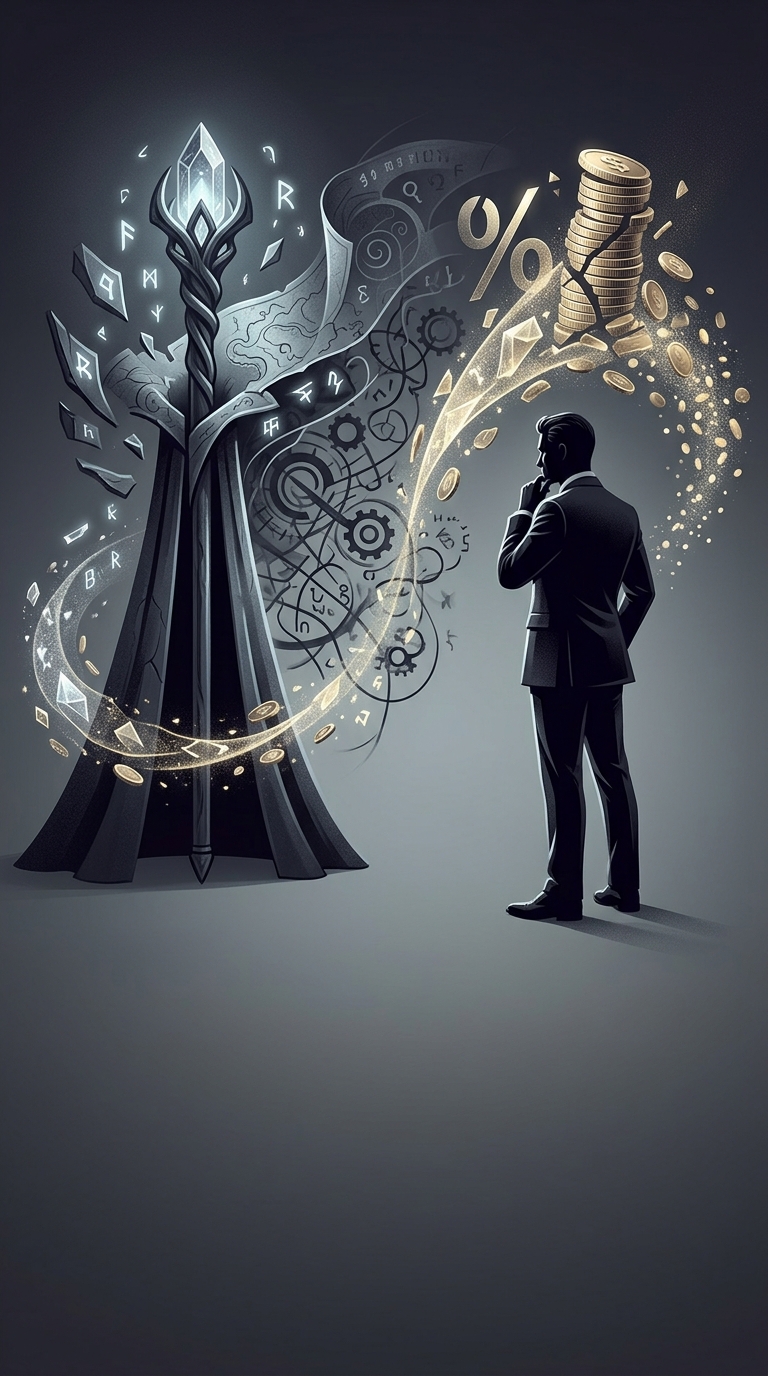
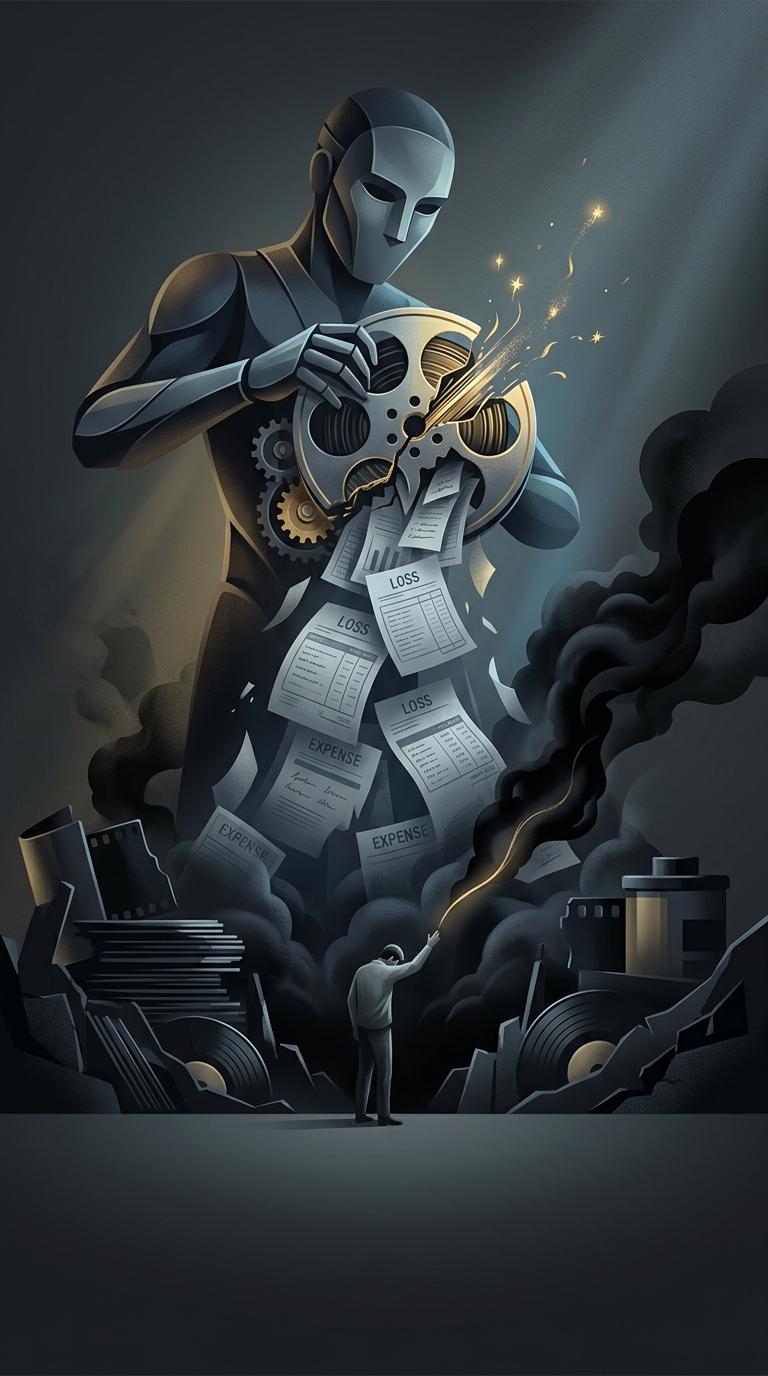
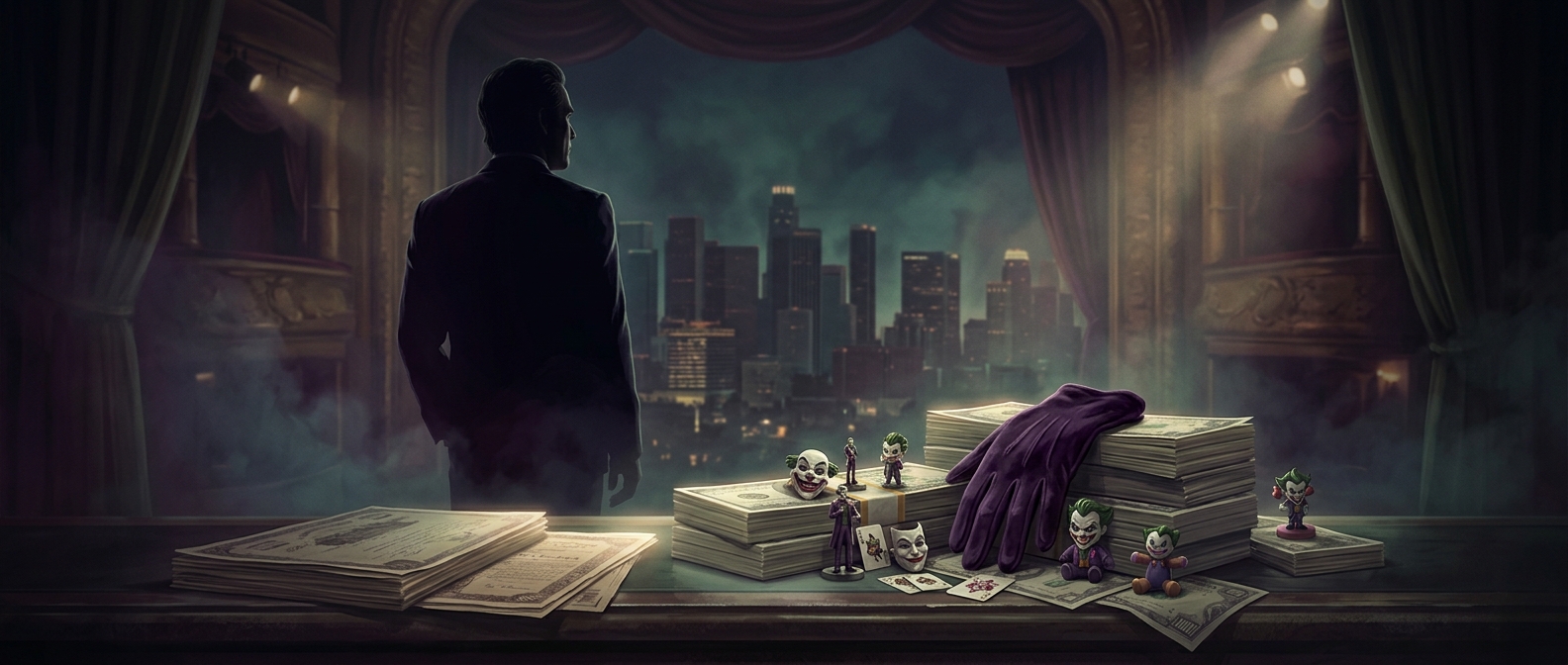
A star’s paycheck is not always a single fee. For Batman, Jack Nicholson accepted less money upfront in return for a continuing share of the film’s financial success, including money from toy sales. That trade shifted part of his compensation from a guaranteed cost into a bet on how big the movie would become.
Why a smaller fee could grow so large
The arrangement gave the studio a practical benefit: it did not have to pay Nicholson as much cash before the film’s performance was known. Nicholson, meanwhile, gave up some certainty in exchange for a chance to earn far more if audiences turned out in force and the film generated valuable merchandise sales.
The key was that his stake extended beyond ticket sales. A popular character can keep earning after a movie leaves theaters, as licensed toys and other products bring in revenue. If the contract gives a performer a share tied to those earnings, the character’s commercial life can matter almost as much as the film’s initial run.
A contract becomes a blockbuster-sized bet
The deal paid off on a scale few ordinary upfront salaries could match: Nicholson ultimately earned more than $60 million. The important mechanism was not simply that he played a memorable villain. He had negotiated compensation that rose with the movie’s success and with the business built around its characters.
That made the Joker role a wager on a whole franchise-launching event—not just a day’s work on set. When the film and its merchandise became hits, the lower guaranteed fee became the entry price for a much larger share of the upside.