The role Connery could not make sense of
Gandalf was not a small supporting part: the wizard guides the hobbits, confronts the forces threatening Middle-earth, and anchors much of the trilogy’s emotional and dramatic weight. Taking the role meant committing to a demanding fantasy story whose characters, invented history, and unfamiliar world had to feel coherent on screen. Connery later explained that he did not understand the material well enough to take it on.
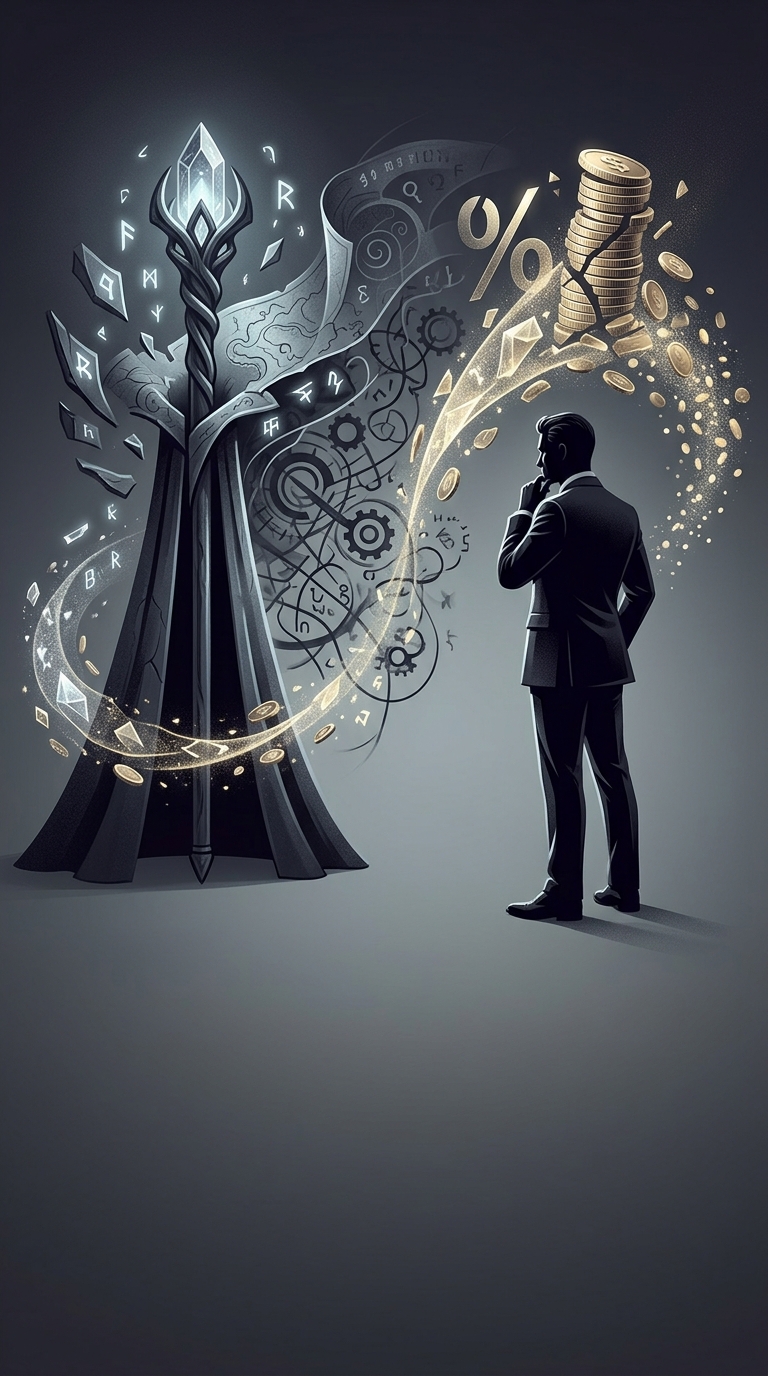
That hesitation mattered because the offer was unusually generous. Reports described it as a 15% share of box-office profits, tying Connery’s compensation to how widely the films succeeded rather than just paying him a fixed fee. The eventual value often attached to the offer—about $400 million—is an estimate based on the trilogy’s enormous success, not a sum he was ever paid.
A decision made before the outcome was visible
When Connery had to decide, the films were not yet the global phenomenon audiences came to know. A huge share of box-office earnings would have been valuable only if the costly, ambitious adaptation found a large audience. He would also have had to spend years playing a character whose world and story he said he could not grasp.
The episode is striking because it reverses the usual image of a star turning down a role for money or status. Connery passed on both the part and a potentially historic payday for a more basic reason: the story did not make sense to him. The later figure is memorable precisely because it measures the success of a film series whose central wizard he chose not to play.