Why “Truth or Dare” Can Feel Hard to Refuse
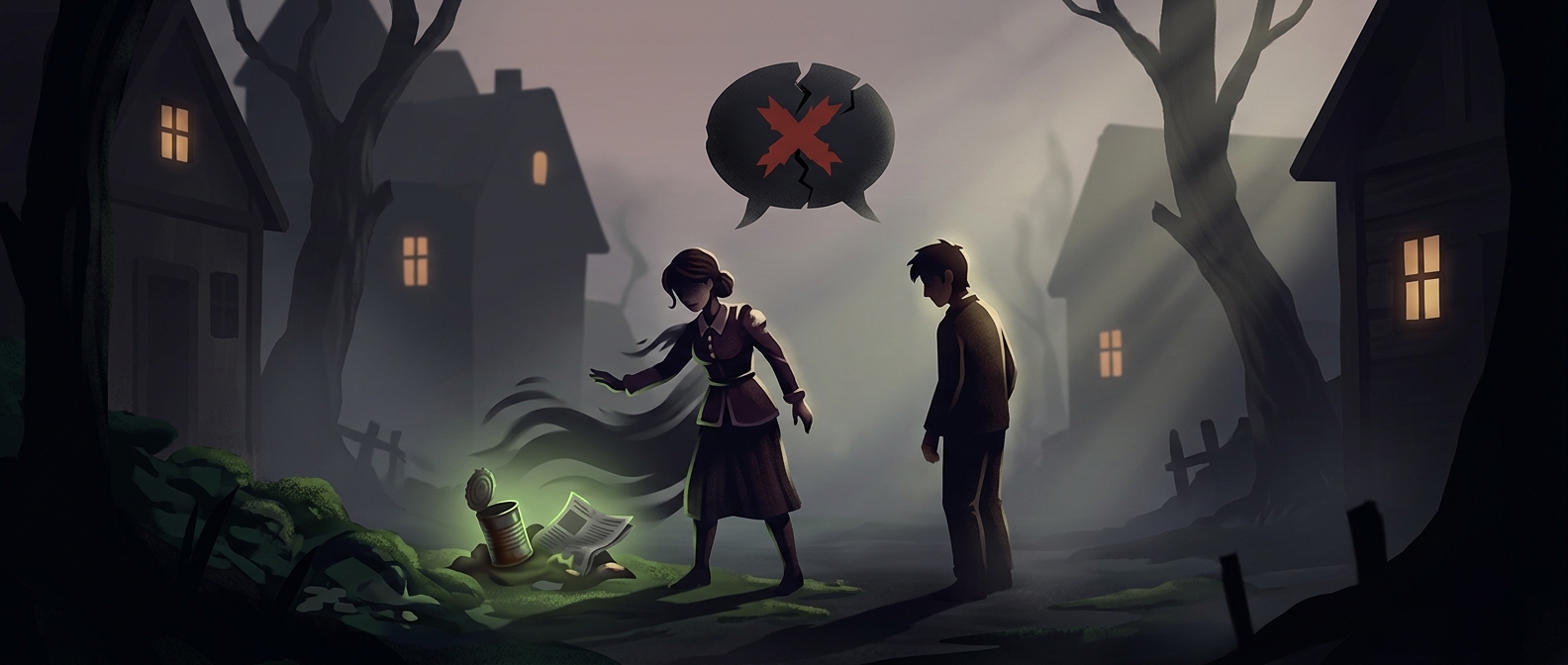
A dare has no official penalty. Its force comes from the possibility of losing face in front of people whose opinions matter. For teenagers, a refusal can feel like a public signal: I’m scared, I don’t trust you, or I don’t belong. The group does not need to threaten anyone for that social risk to feel real.
The Choice Is Made in Front of an Audience
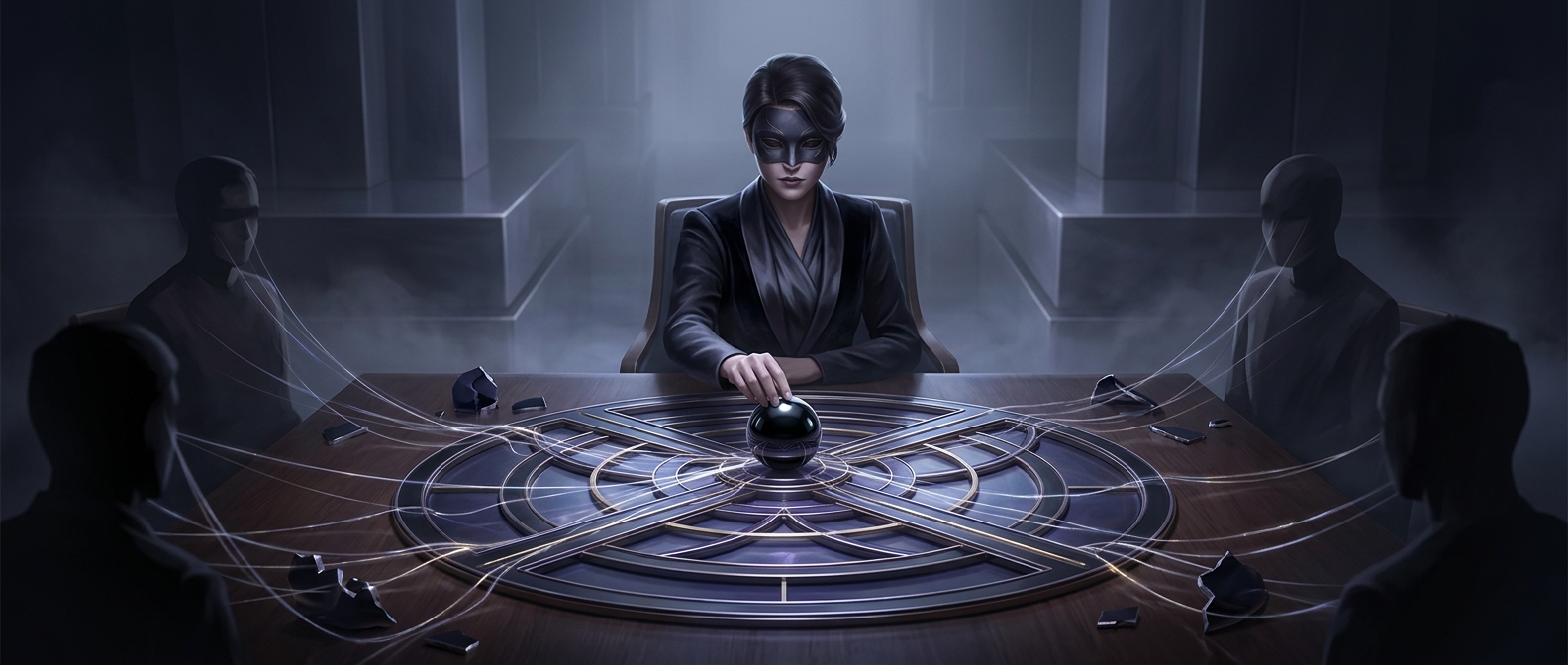
The game turns a private decision into a public performance. Everyone can see who accepts, hesitates, or backs out, and the next player may face the same test. That audience can make an awkward task seem easier to accept than the embarrassment of refusing—especially when laughter or teasing suggests that compliance is expected.
“Truth” questions use the same pressure differently. A player may disclose something personal not because the game can force them, but because refusing draws attention to the very secret they hoped to keep private. In both cases, the immediate social cost can loom larger than a possible later regret.
The Group Sets the Stakes
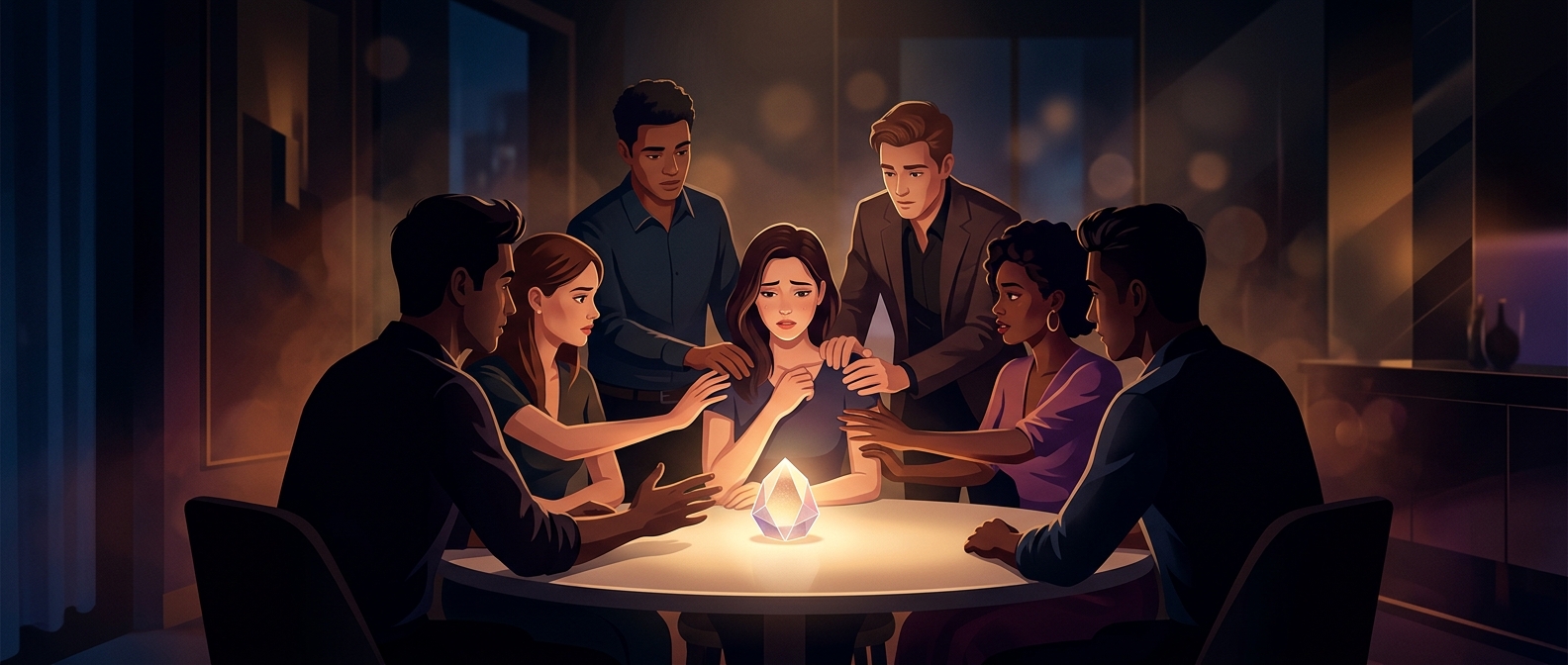
The pressure depends on the people playing and the mood they create. Friends can make refusal ordinary by accepting “no” without a fuss, or make it costly by treating hesitation as a challenge. A useful boundary is simple: a player can pass or change a dare without having to justify it. When that option is respected, the game stays a game rather than becoming a test of belonging.
That is the twist: the strongest consequence may not be what the dare asks someone to do, but what they fear the group will think if they decline.