Why Charades Breaks a Word Into Syllables
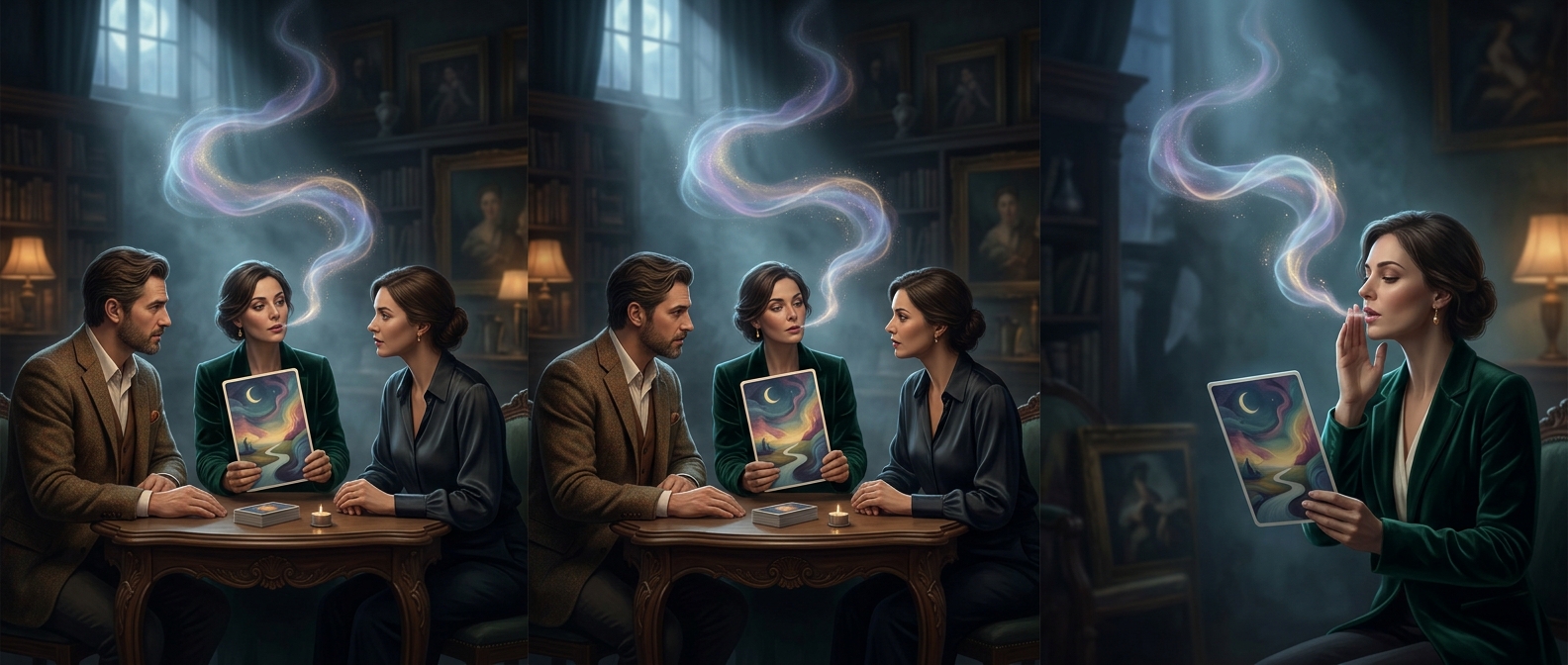
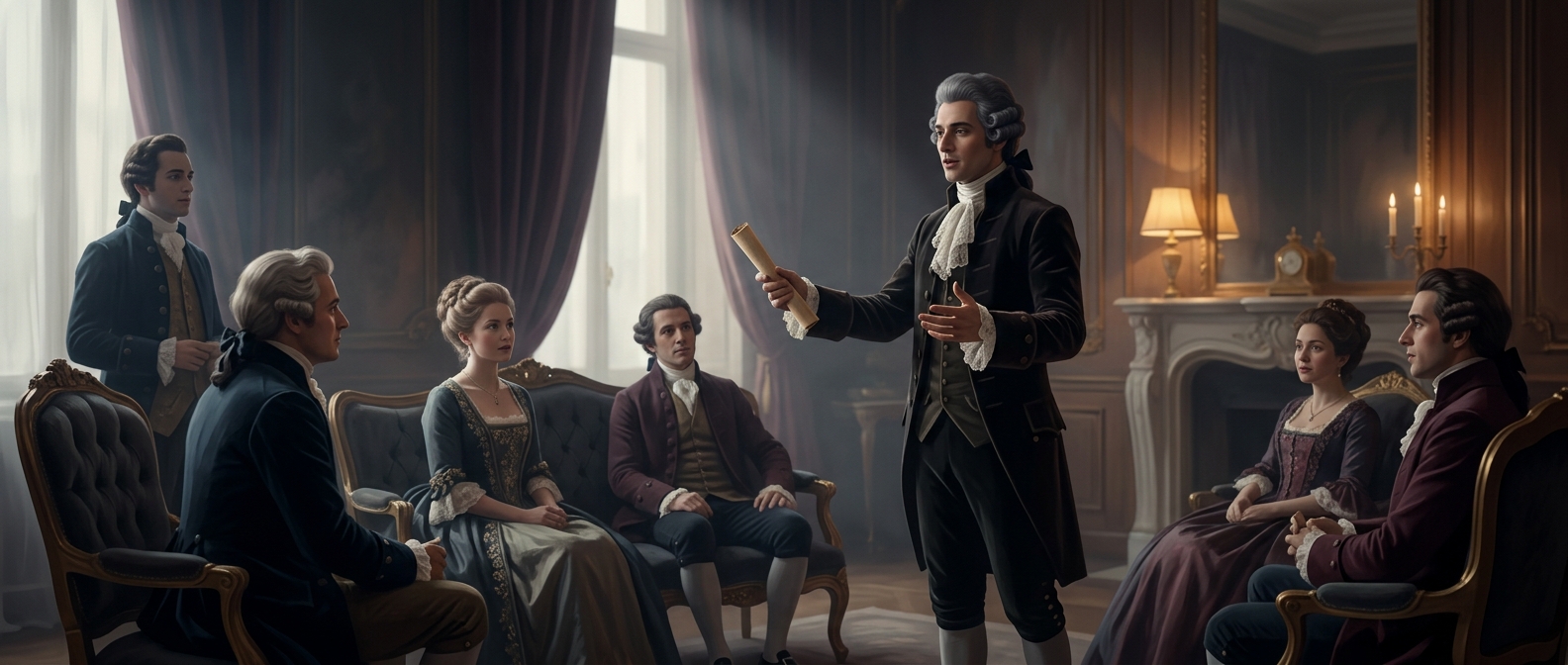
When a player acts out a whole word, teammates may have too many possibilities to guess from. Breaking it into syllables narrows the puzzle: the actor gives the group smaller sound-pieces to identify, then lets them combine those pieces into a word. A gesture for “sounds like” adds another route, suggesting that a clue resembles a syllable rather than naming it directly.
That turns language into a kind of improvised code. The actor cannot simply define the word; they must make a visible sign stand in for a spoken sound. A familiar shape or action—such as miming the rotor blades of a helicopter—can quickly communicate an idea, while a syllable may require a more indirect association. The team is solving both the clue and the actor’s choice of gesture.
The Awkwardness Is Part of the Design
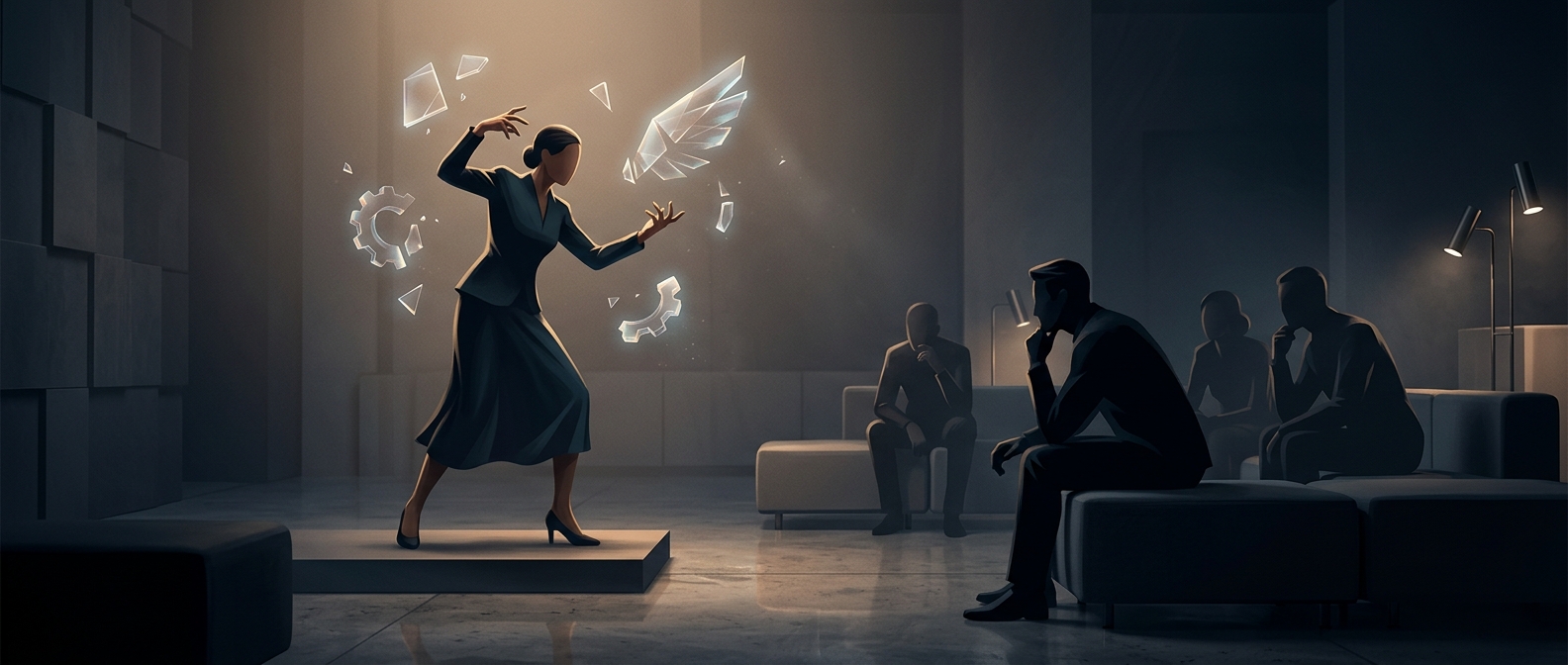
Charades makes players switch between two kinds of thinking: one person converts sounds or meanings into movement, and everyone else tries to reverse that conversion. Because a syllable is not an object that can be picked up or drawn, actors reach for broad, sometimes ridiculous signals. Teammates must watch closely, propose guesses, and revise them as new gestures arrive.
The result is a cooperative puzzle under pressure. The actor’s limited vocabulary of movement forces the group to supply possibilities, while the group’s guesses give the actor feedback about what has—or has not—come across. A word that seems obvious in conversation can become a chain of tiny physical clues, with each correct syllable bringing the team closer to saying it aloud.