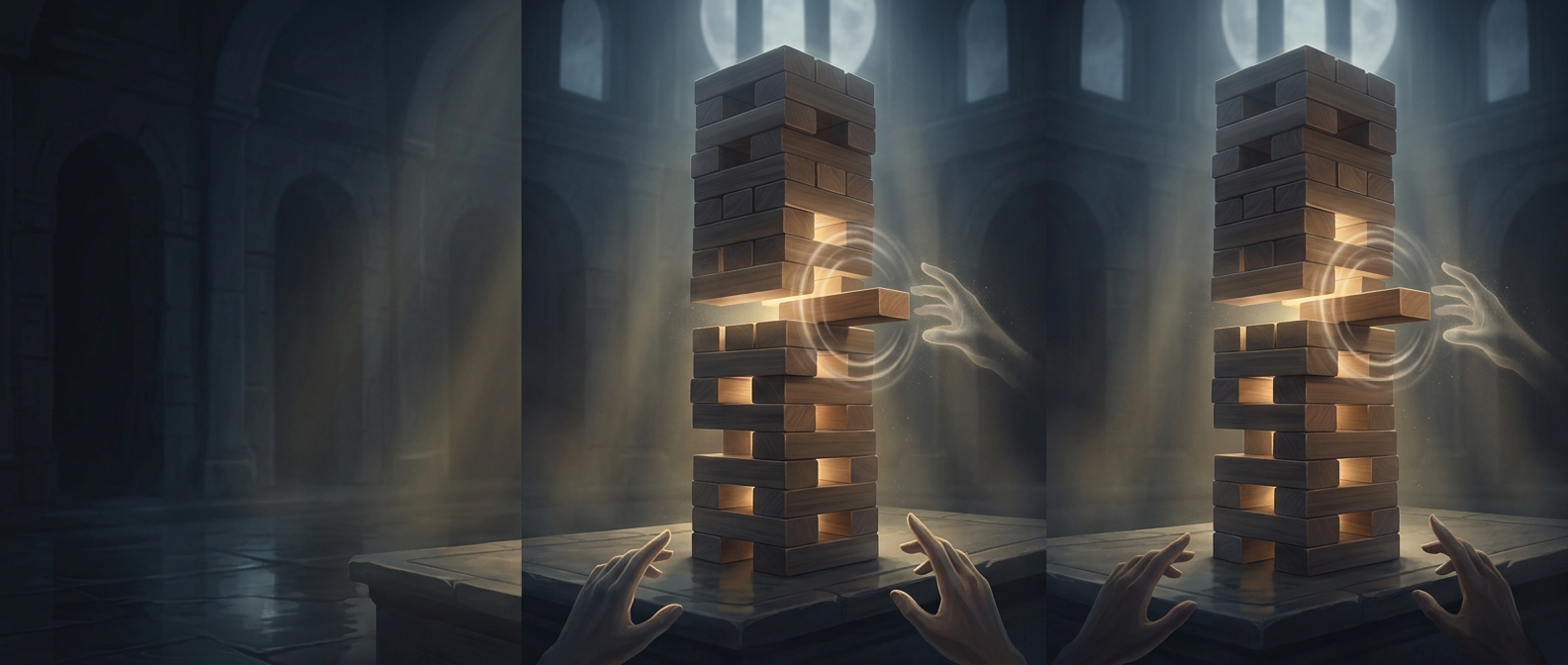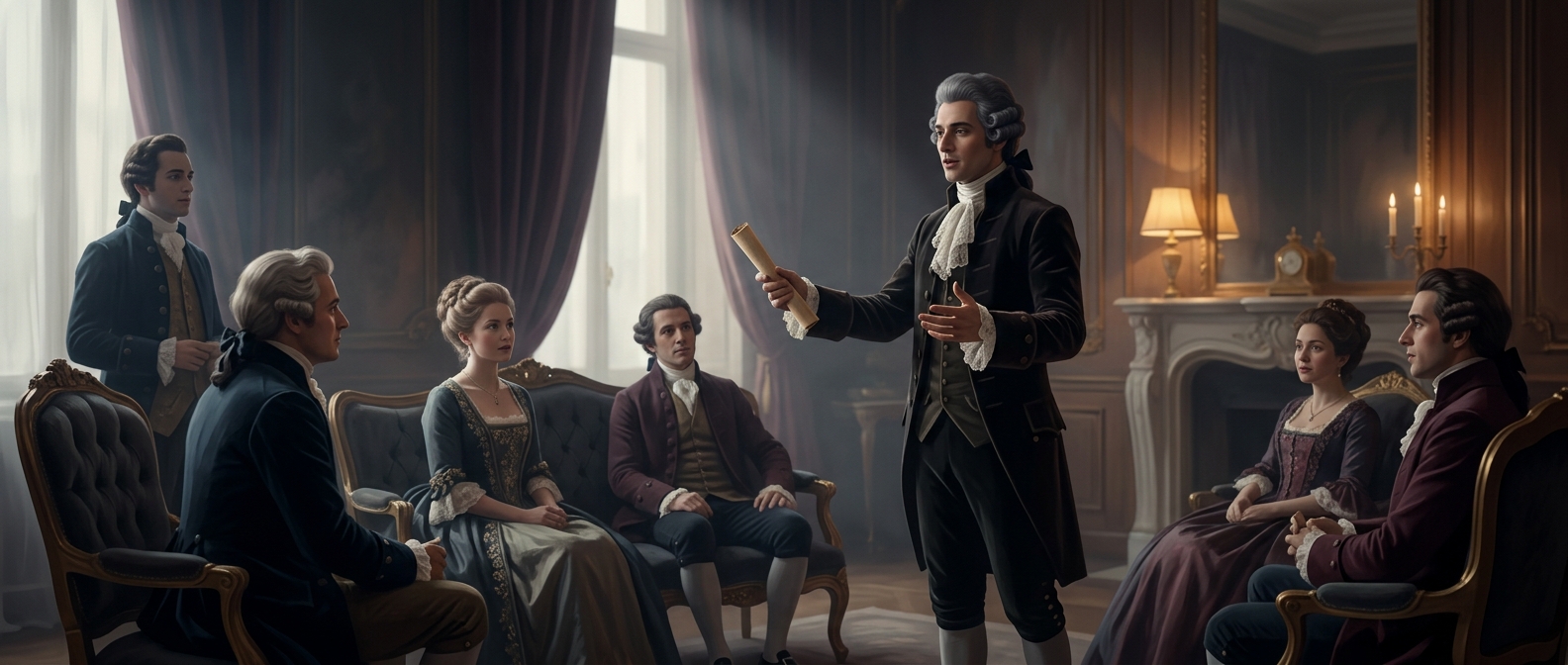
The storyteller is aiming for a partial match
In Dixit, the storyteller chooses one illustrated card from their hand and gives a clue before placing it face down. Everyone else adds a card they think could fit that clue. The cards are shuffled and revealed, and players try to identify the storyteller’s original.
That creates an unusual target: the clue should be recognizable, but not by everyone. If the image is an obvious match, the other players can all pick it out, and the storyteller scores nothing. If nobody recognizes it, the storyteller also misses out. The sweet spot is a clue that reaches at least one person but leaves someone else uncertain.
A clue works through shared associations
The cards show surreal scenes rather than clear, literal objects: a small detail might suggest a memory, a mood, or a familiar story. So a clue such as “a rainy day” may connect to several cards, while a more personal phrase may make sense to one player who knows how the storyteller thinks.
The rest of the table complicates the choice. Players add their own cards as decoys, trying to make those cards look like plausible answers. A clue must therefore do two jobs at once: point toward the storyteller’s image and distinguish it from the alternatives. The storyteller is not merely describing a picture; they are predicting how this particular group will interpret it.
The table becomes part of the puzzle
A successful clue depends on what players have learned about one another. A reference that seemed obscure early in the game may become easier to recognize after several rounds, as the group notices recurring associations or habits. But leaning too heavily on a private reference can leave the others with no way in.
That balance is what makes the clue memorable: it is neither a label for the picture nor a riddle with one inevitable answer. It is a small test of how much meaning the group can share—and how much can remain just out of reach.