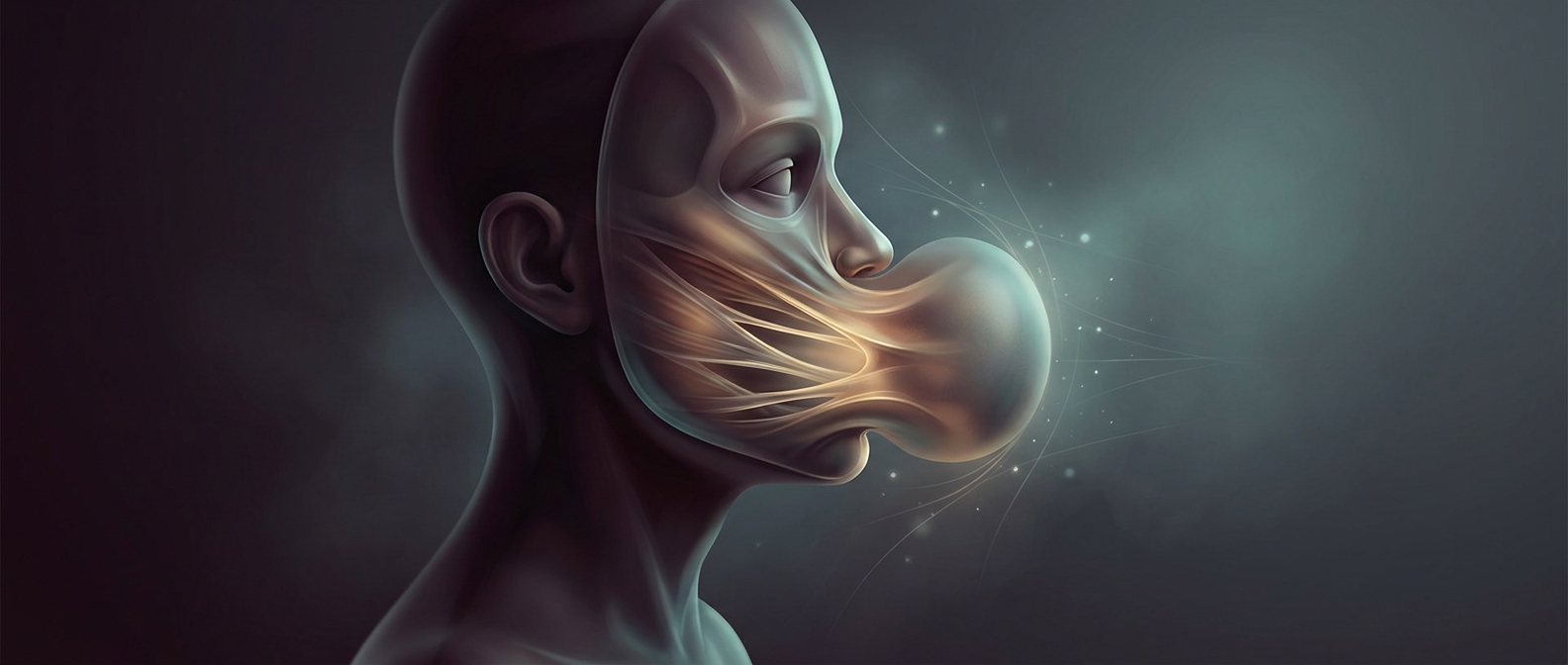
Why a Mouthful of Marshmallows Changes Speech
The challenge turns an ordinary speaking task into a small test of how the mouth makes room for food. As marshmallows accumulate, the soft inner cheek lining—called the buccal mucosa—has to stretch around them. The cheeks can expand, but the space inside the mouth is limited, so each added marshmallow crowds the tongue and presses against the lips and teeth.
That crowding matters because speech depends on precise, quick movements. The tongue shapes many sounds against the roof of the mouth or behind the teeth; the lips help form others. With marshmallows in the way, those movements become harder to complete cleanly. A speaker may still recognize the words, but listeners hear muffling, slurring, or pauses as the mouth struggles to form them.
A Simple Game With a Built-In Limit
The challenge’s comic tension comes from a tradeoff: participants can try to fit in more marshmallows, but every addition makes clear speech less likely. It is not a precise medical measurement of cheek elasticity. Rather, it makes the mouth’s competing jobs—holding food and producing speech—visible and audible.
The cheek tissue is flexible, not an empty pocket that can stretch without limit. At some point, the stuffed mouth leaves too little room for the tongue to move freely and for the lips to close around sounds. That is why the most striking result is often not how much the cheeks bulge, but the instant a familiar sentence becomes difficult to understand.