From hearth hazard to party game
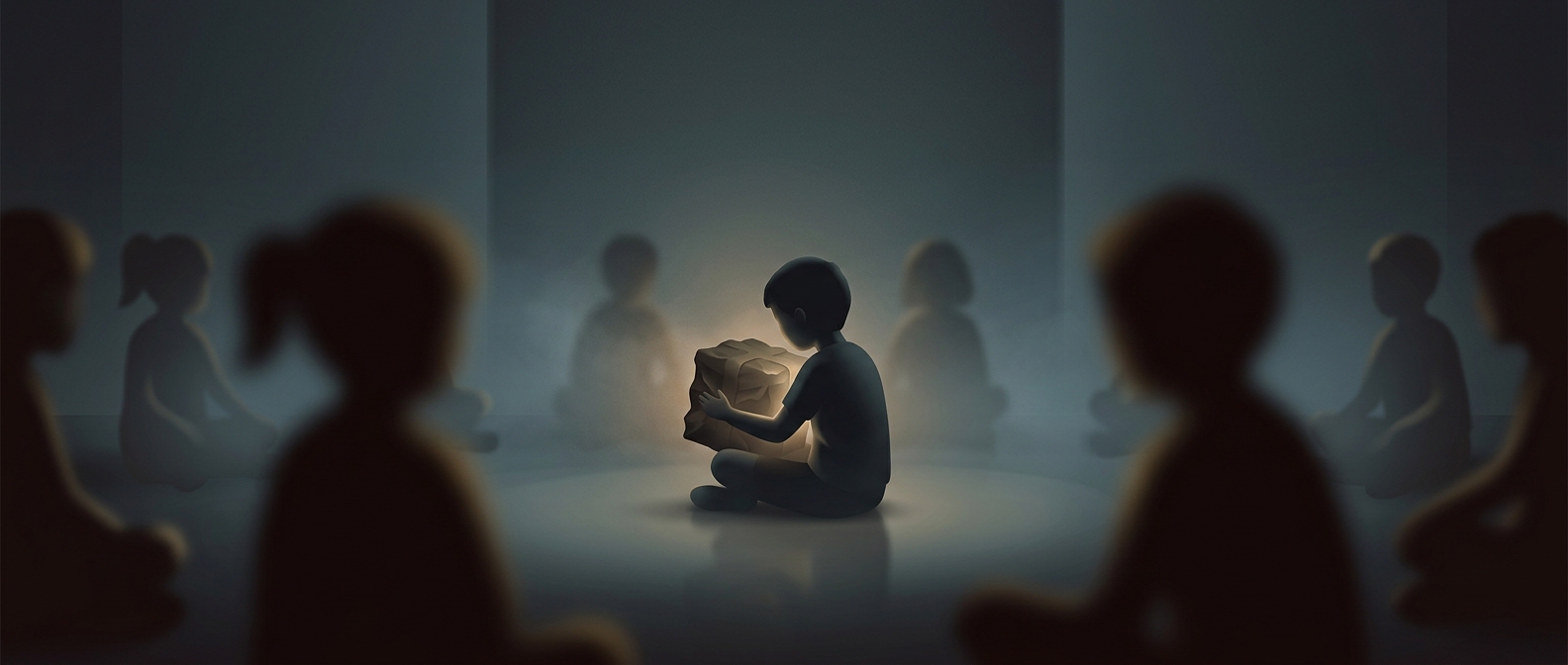
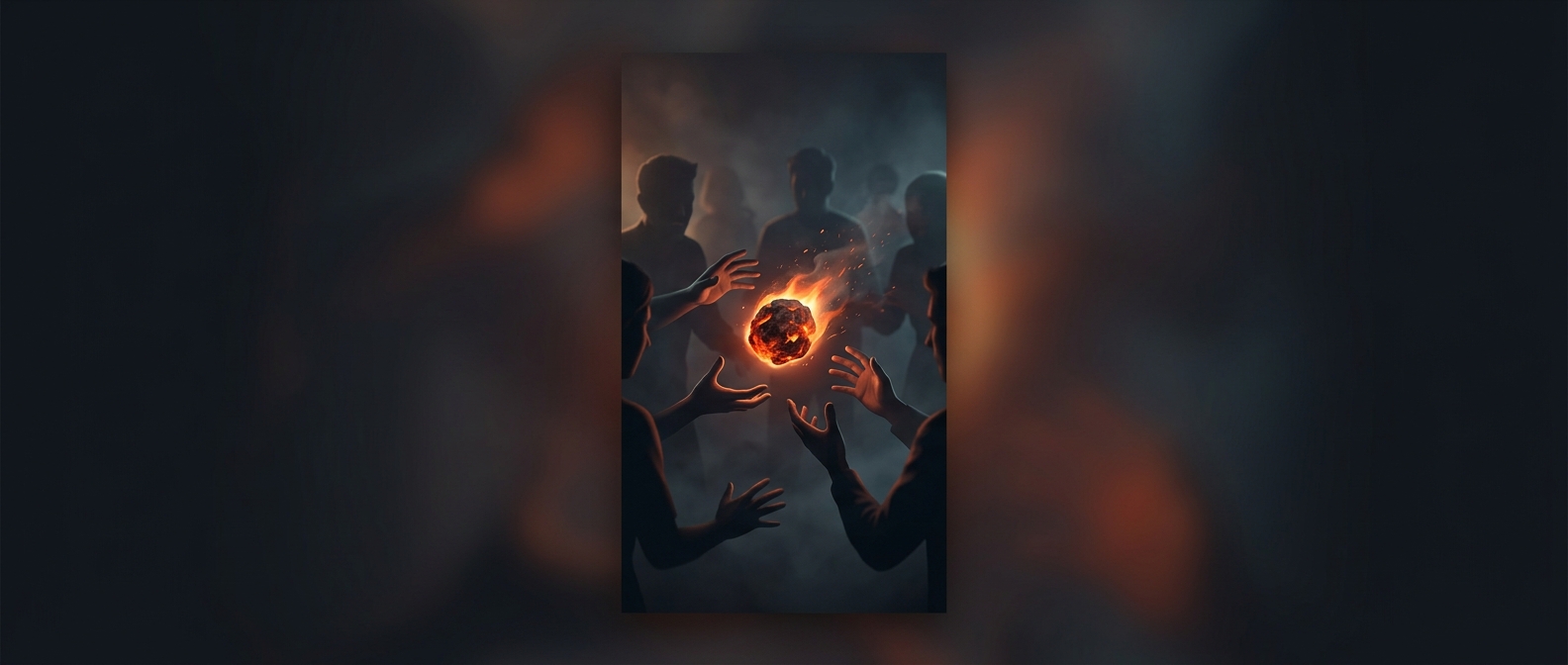
The story behind hot potato starts with a simple kind of suspense: an object is passed from person to person because nobody wants to be the one left holding it. Around a fire, hot ashes could make that urgency literal. In the game, a beanbag stands in for the dangerous object, turning the same pressure into play without the risk of a burn.
The danger is imagined; the timing is real
The game works because each handoff briefly transfers responsibility. Players have little control over when the round ends, so even a soft, harmless object can feel suddenly consequential. The beanbag is safe, but everyone knows the point is to get rid of it before the moment comes.
That swap is the game’s cleverest design choice: remove the hazard, keep the urgency. A familiar household danger becomes a rule anyone can understand—and a harmless beanbag can still feel like a glowing coal when the round is about to end.