Why the parcel feels hard to let go
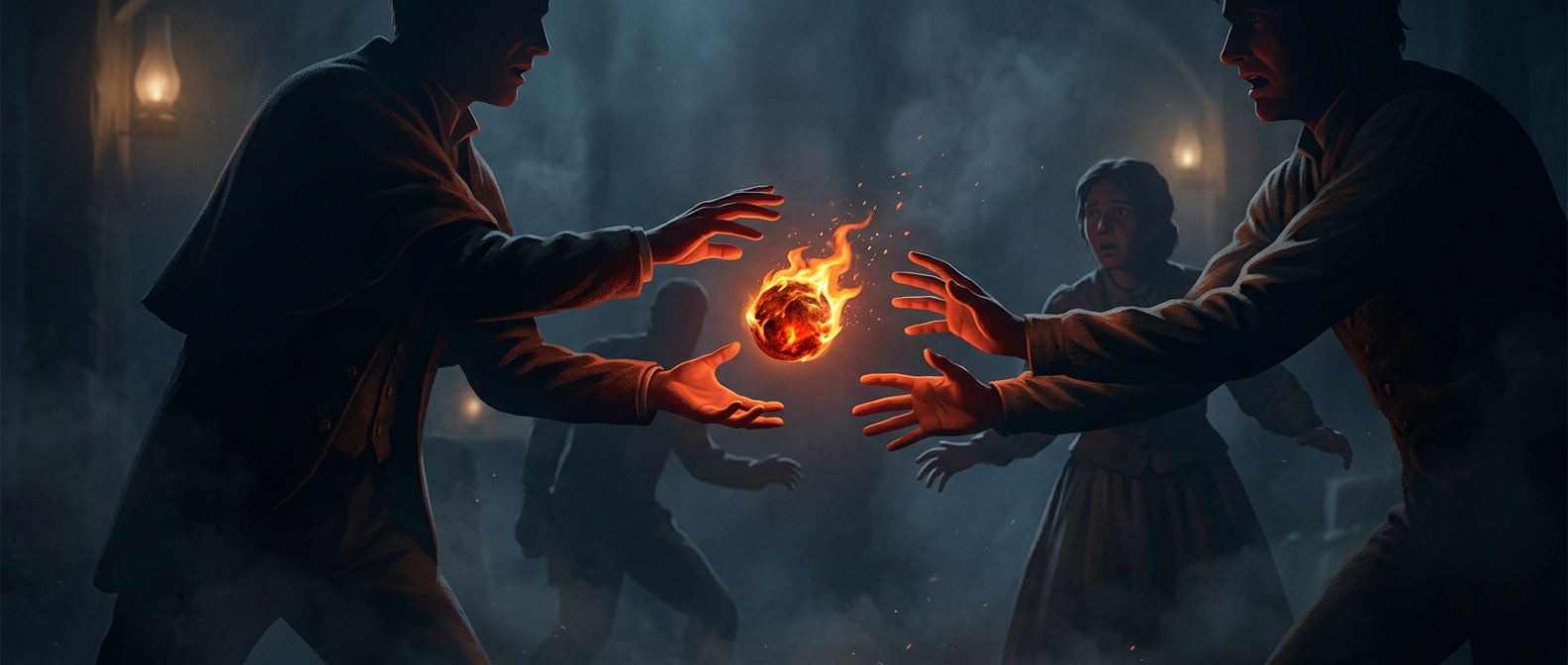
Pass the parcel makes waiting an active problem. A player holds the wrapped gift, but control is temporary: it must move around the group while the music plays. Everyone knows the parcel will eventually stop with someone, yet no one knows when. That gap between knowing the outcome is coming and being unable to predict its timing creates suspense.
The music acts as a simple, shared signal. While it continues, players pass; when it stops, the holder gets to remove a layer. The rule is easy to follow, so attention can shift from figuring out how to play to watching the parcel travel and anticipating the interruption. Each player is also managing a small dilemma: pass quickly, but keep track of where the parcel is going.
Layers make the payoff take time
Wrapping the gift in multiple layers stretches one reveal into a sequence of smaller turns. Removing a layer brings the holder closer to the prize without guaranteeing that they will reach it: the parcel goes back into circulation, and another player may get the next chance. The group therefore shares the anticipation even as the opportunity to unwrap belongs to one person at a time.
That structure is why the game can make an ordinary present feel like a contest. The gift is not the only focus; the uncertain timing and repeated handoffs make every pause in the music matter.