Why a Chess Tournament Can Wear Down the Body
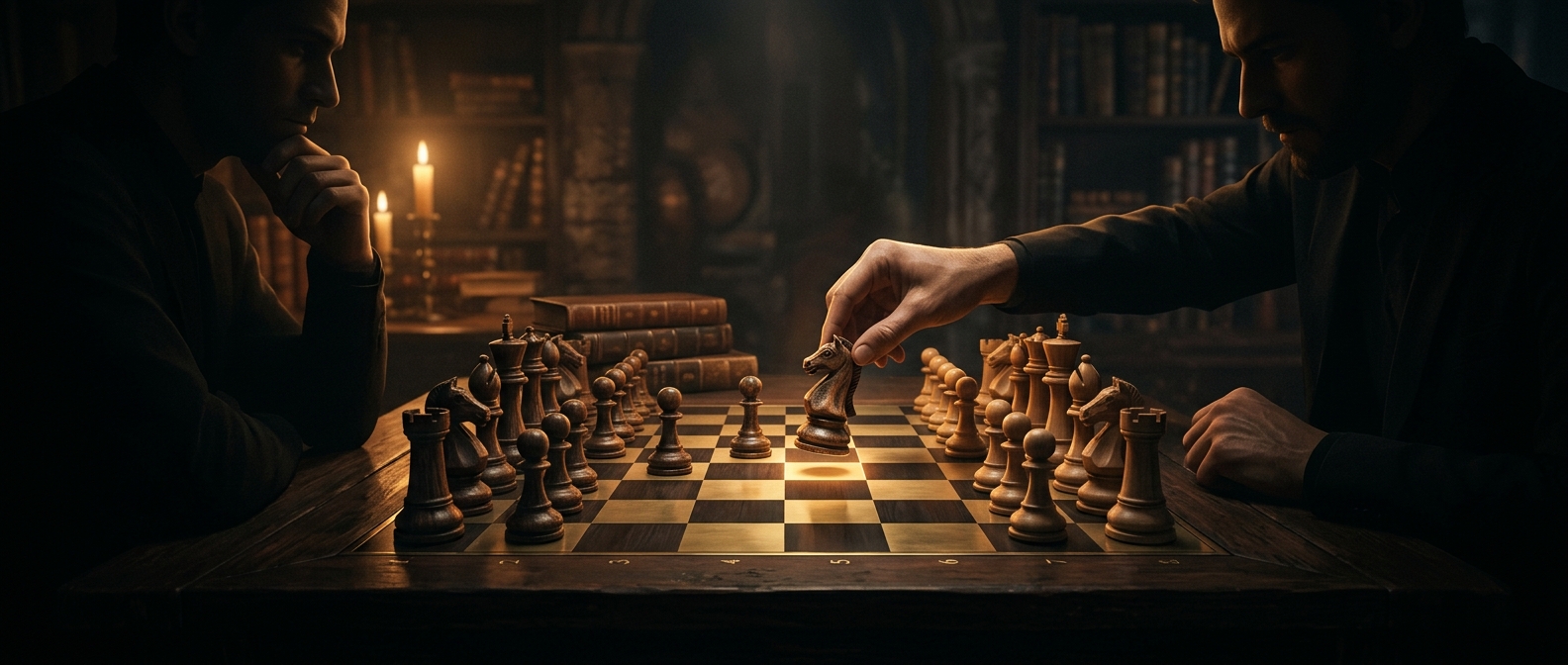
A long chess game can leave a player physically depleted even though the pieces barely move. At the board, a grandmaster may sit for hours under pressure, weighing possibilities while trying to avoid a single costly mistake. That sustained strain can trigger the body’s stress response: heart rate and muscle tension rise, and some players sweat or feel drained.
The effect can build across a multi-day tournament. Players may spend much of the day concentrating, delay meals, or drink too little while absorbed in a game. Those factors can change how they feel—and what the scale shows—by the end of the event.
What the Scale Doesn’t Tell You
A drop in body weight during a tournament is not proof that thinking burns extraordinary amounts of energy. The brain uses energy continuously, but the mental work of chess does not turn hours of calculation into the equivalent of strenuous exercise. Short-term weight changes can reflect fluid loss and disrupted eating, not just calories burned.
That distinction matters: a player who finishes a demanding tournament lighter may be showing the physical cost of stress, missed breaks, and poor hydration, rather than a special calorie-burning trick of the game. The practical challenge is to keep the mind sharp without neglecting the body sitting at the board.