A visible map of choices—and their costs
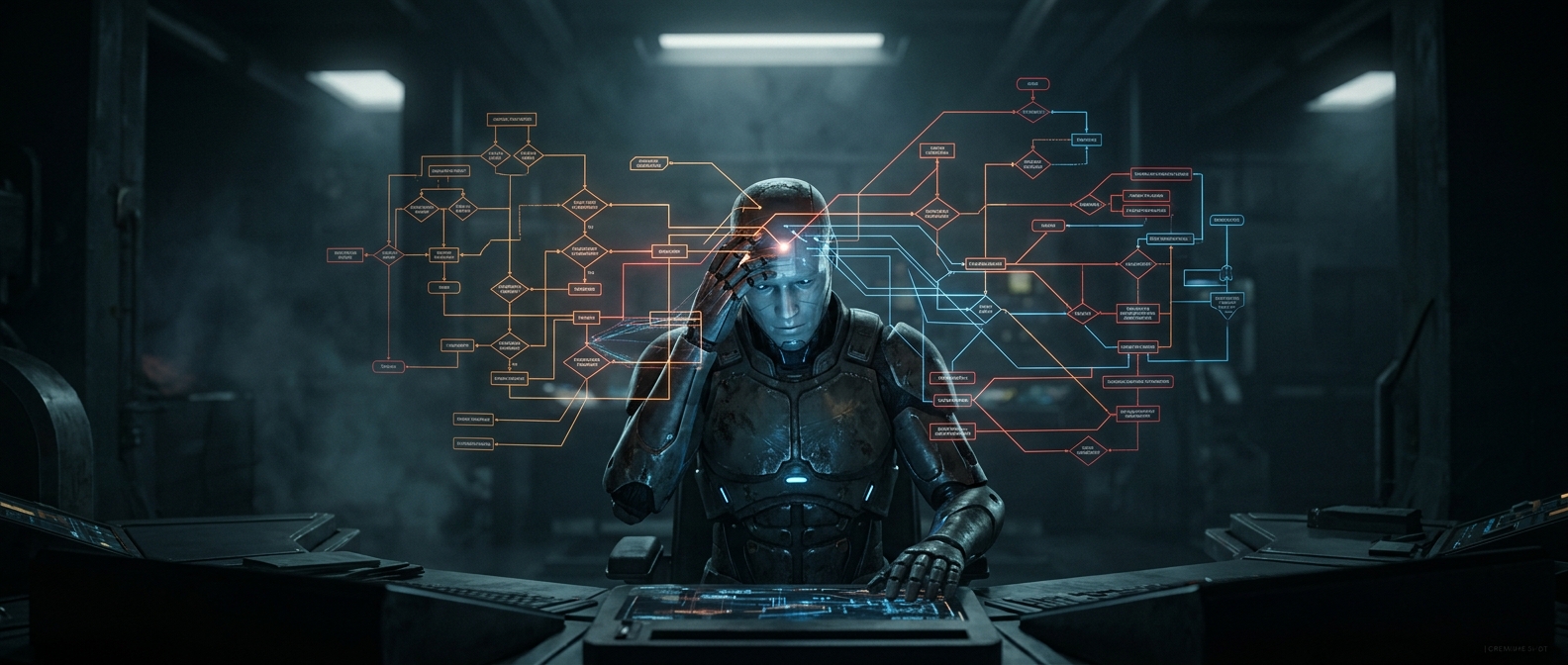
In Detroit: Become Human, the flowchart shown at the end of a chapter is more than a recap. It lays out the decisions and events the game recognized, including branches the player never reached. A choice can therefore feel small in the moment yet matter later: it may determine which scenes, characters, or outcomes remain available.
The chart also makes absence visible. An unfilled branch signals that another route exists, but not necessarily what choice would open it. Finding that route can take a different decision—or a different chain of events—rather than simply replaying one moment.
Why an optional magazine can matter
The game’s digital magazines look like collectibles, but some also function as progression flags: finding one records that the player encountered a particular piece of content. If an ending depends on that flag, skipping the magazine can close off the ending even when the player’s major story choices seem to point toward it.
That creates a distinction between choosing an ending and meeting its conditions. A player may make the right dramatic decisions but still lack a required piece of information or experience. The flowchart helps expose that structure after the fact, while the magazine itself may be easy to overlook during a tense scene.
A story designed to be retraced
Because branches can close as well as open, replaying a chapter is not always enough to reveal everything; later outcomes may depend on what happened earlier. The chart turns that complexity into something legible, inviting players to compare routes and trace consequences instead of treating each playthrough as the whole story.
Its most revealing message is that “optional” describes how easy a detail is to miss—not necessarily how little it matters.