A rescue story with a gameplay problem
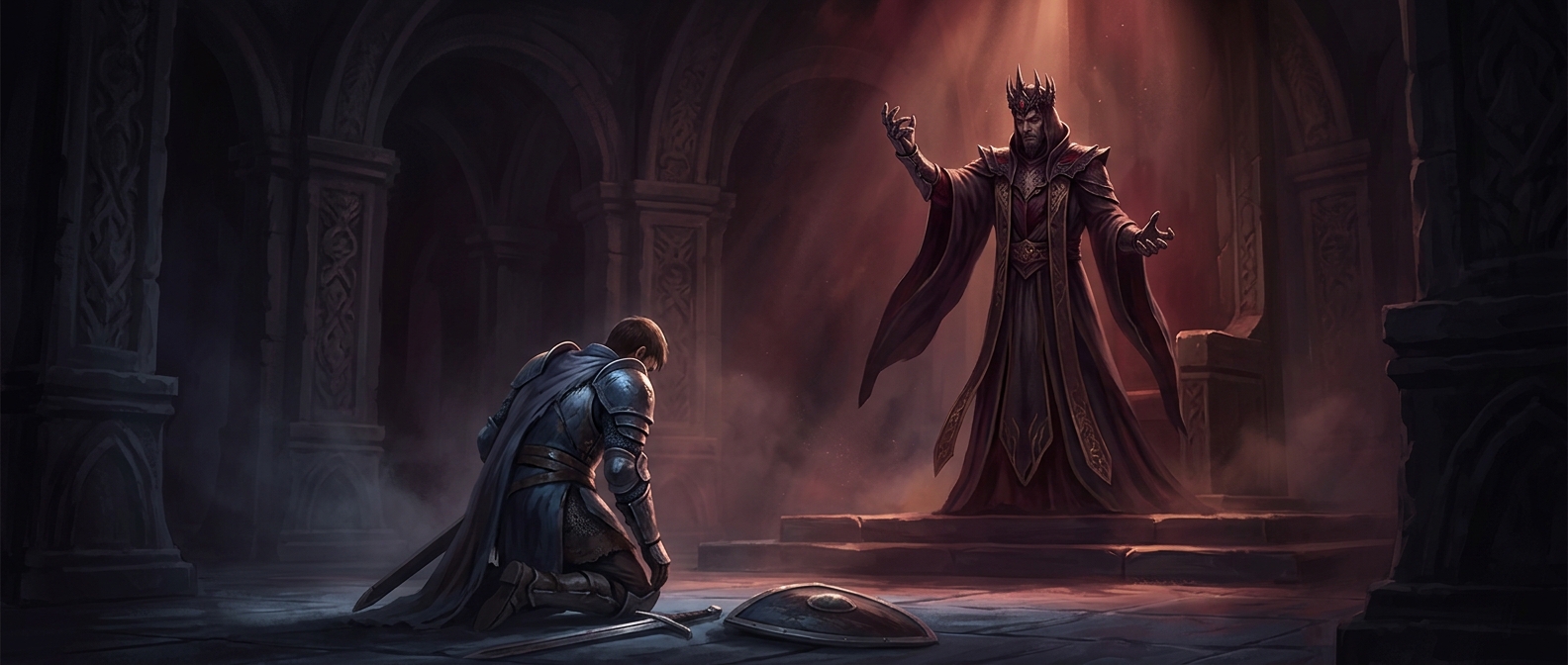
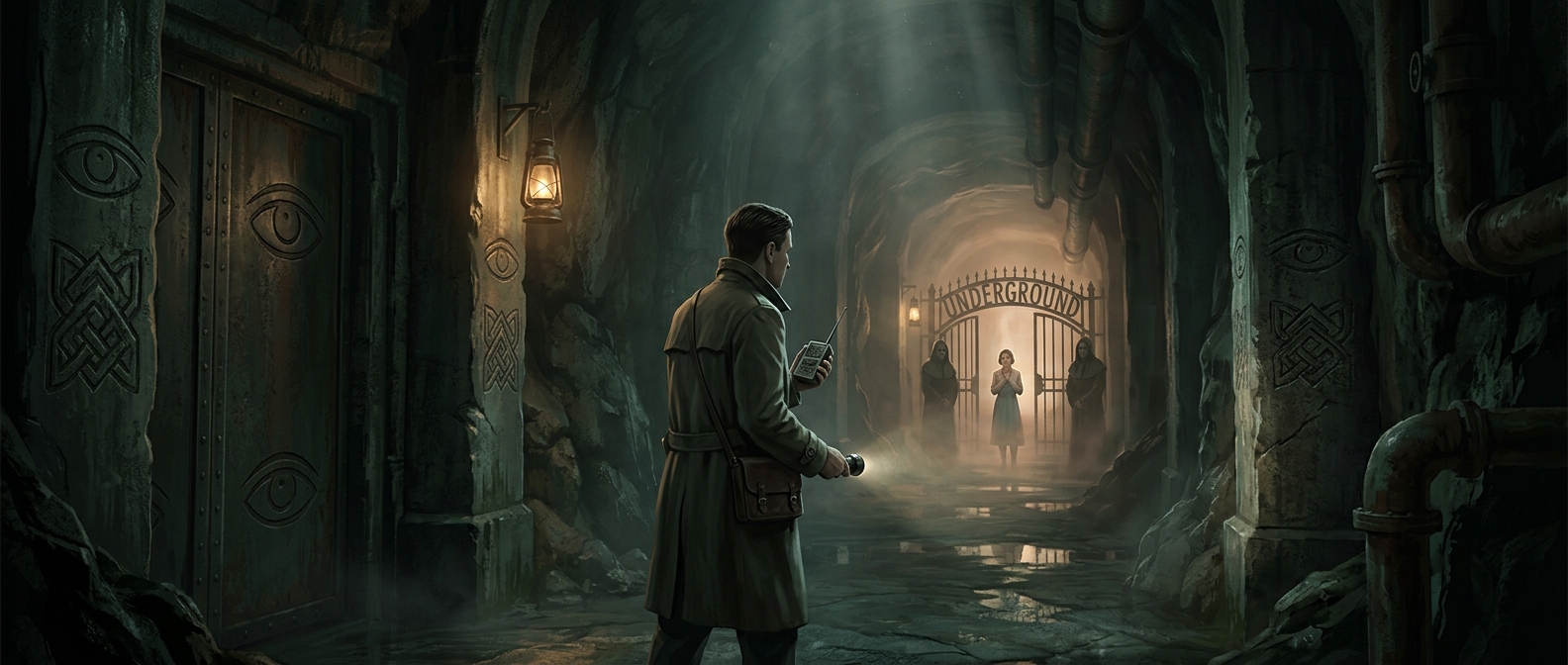
A story about freeing people from a cult puts the player in an unusual role: the followers are not simply villains to defeat, but people the story asks you to save. Deprogramming—helping someone loosen the beliefs and control imposed by a group—suggests conversation, patience, and trust. Those can make for compelling drama, but they are difficult to turn into the immediate, physical challenges an action game is built around.
The developers saw a mismatch. If progress depended on arguing with brainwashed followers, the central activity might feel slow or repetitive. And if the player simply fought them, the rescue premise would become morally uncomfortable: the people being attacked were also the people in need of rescue.
Turning the conflict into something playable
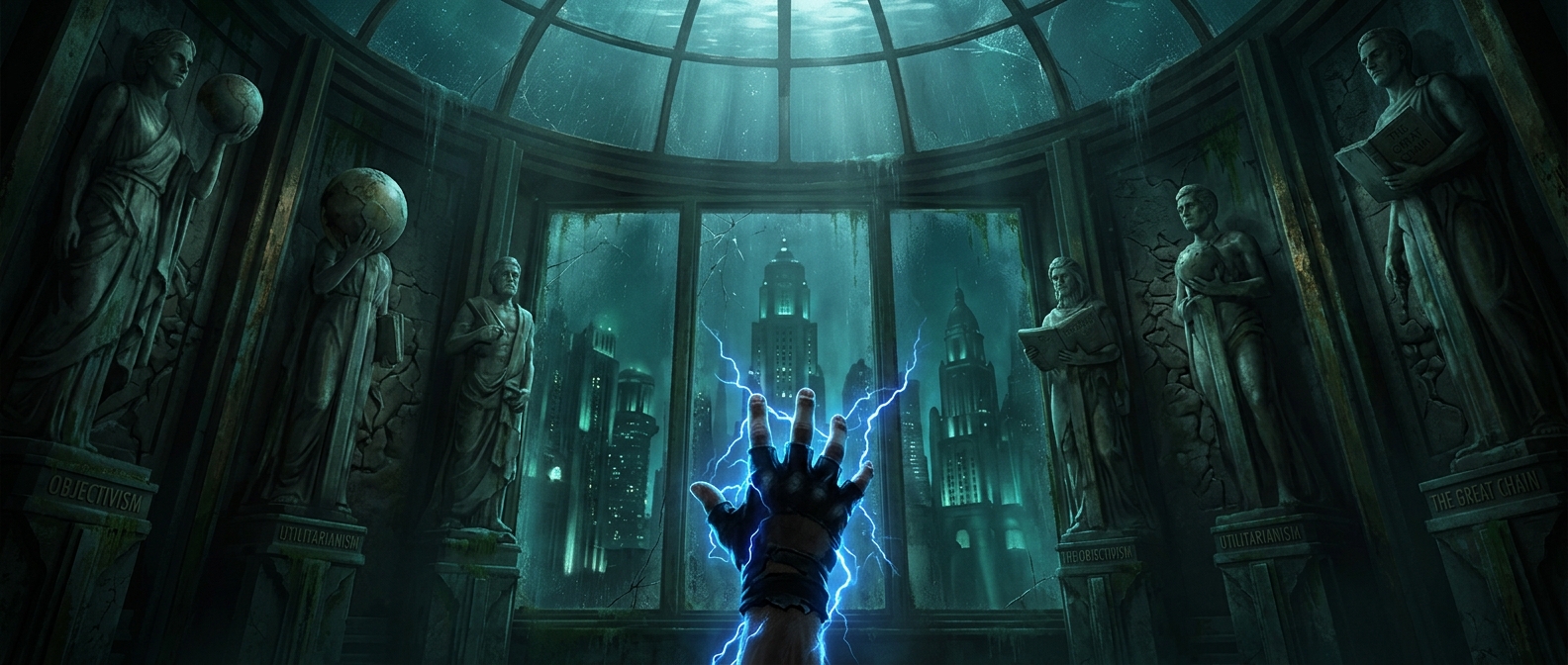
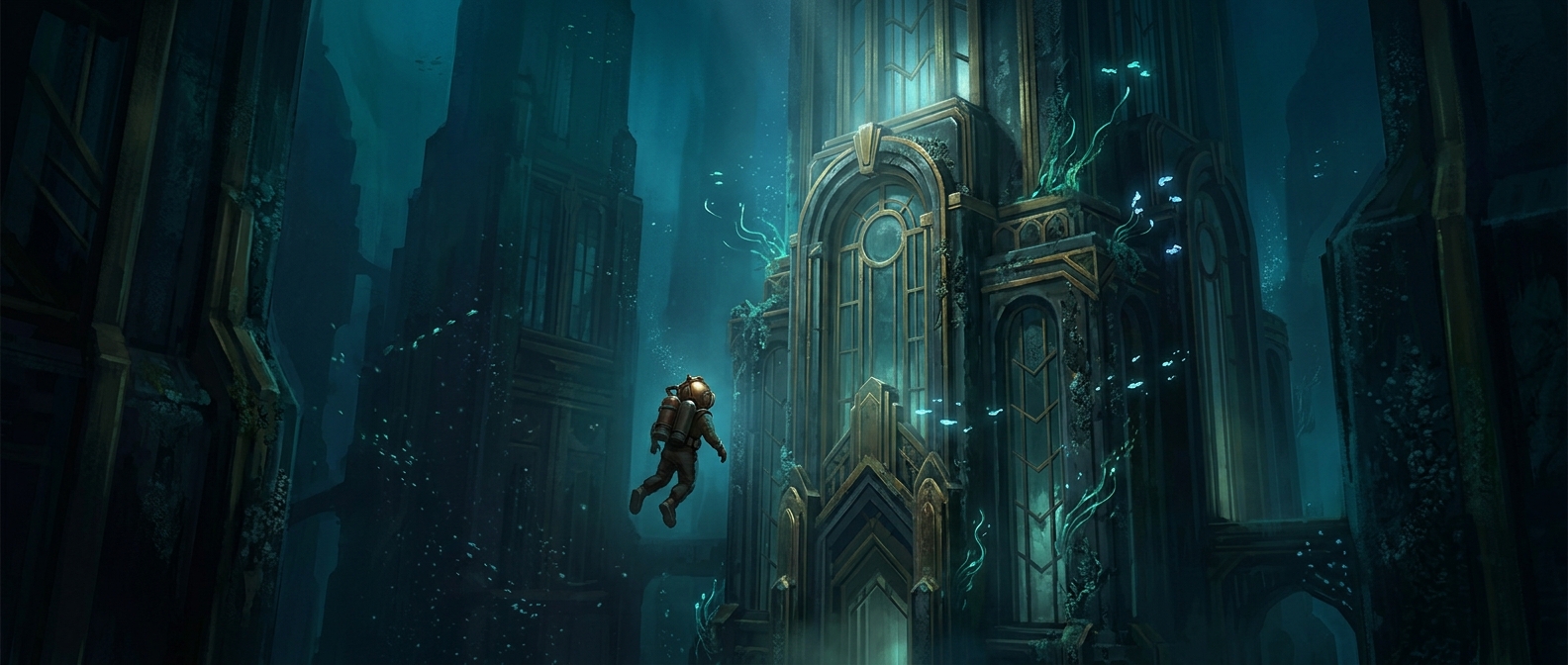
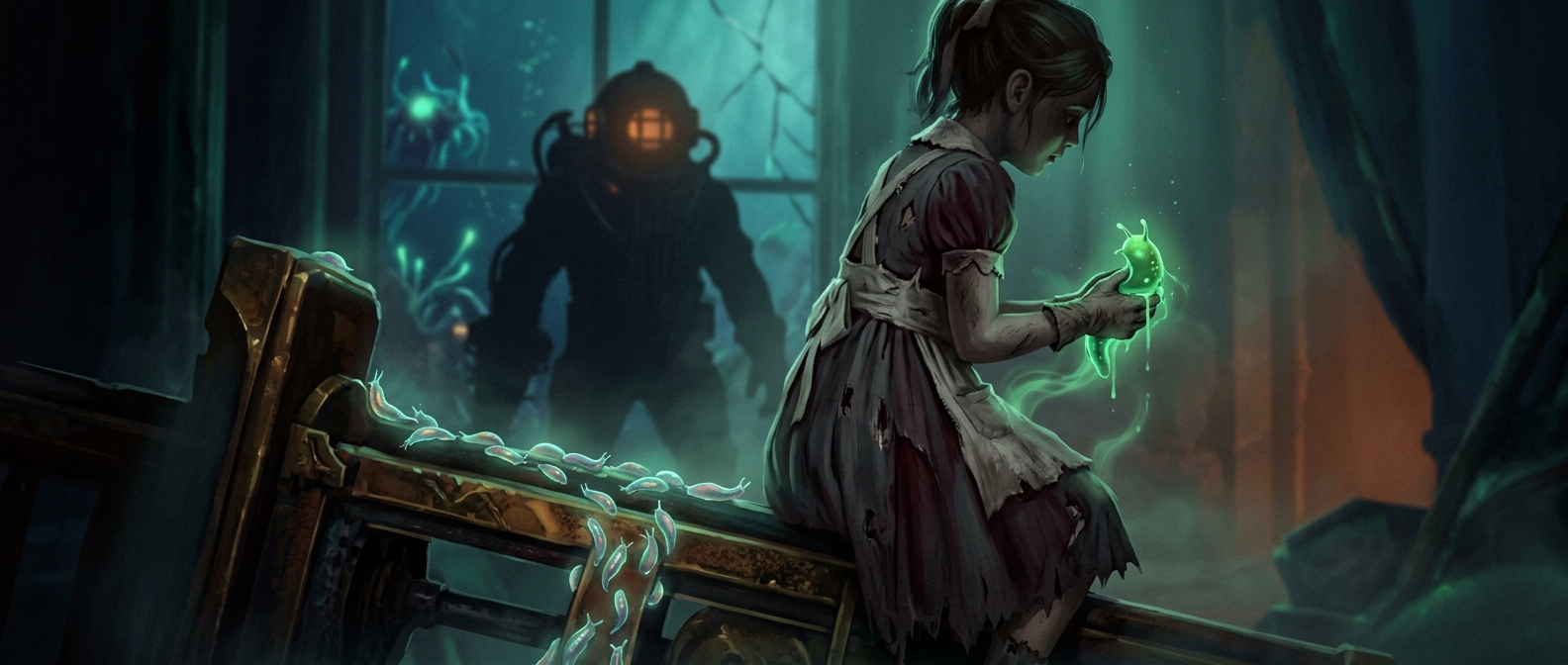
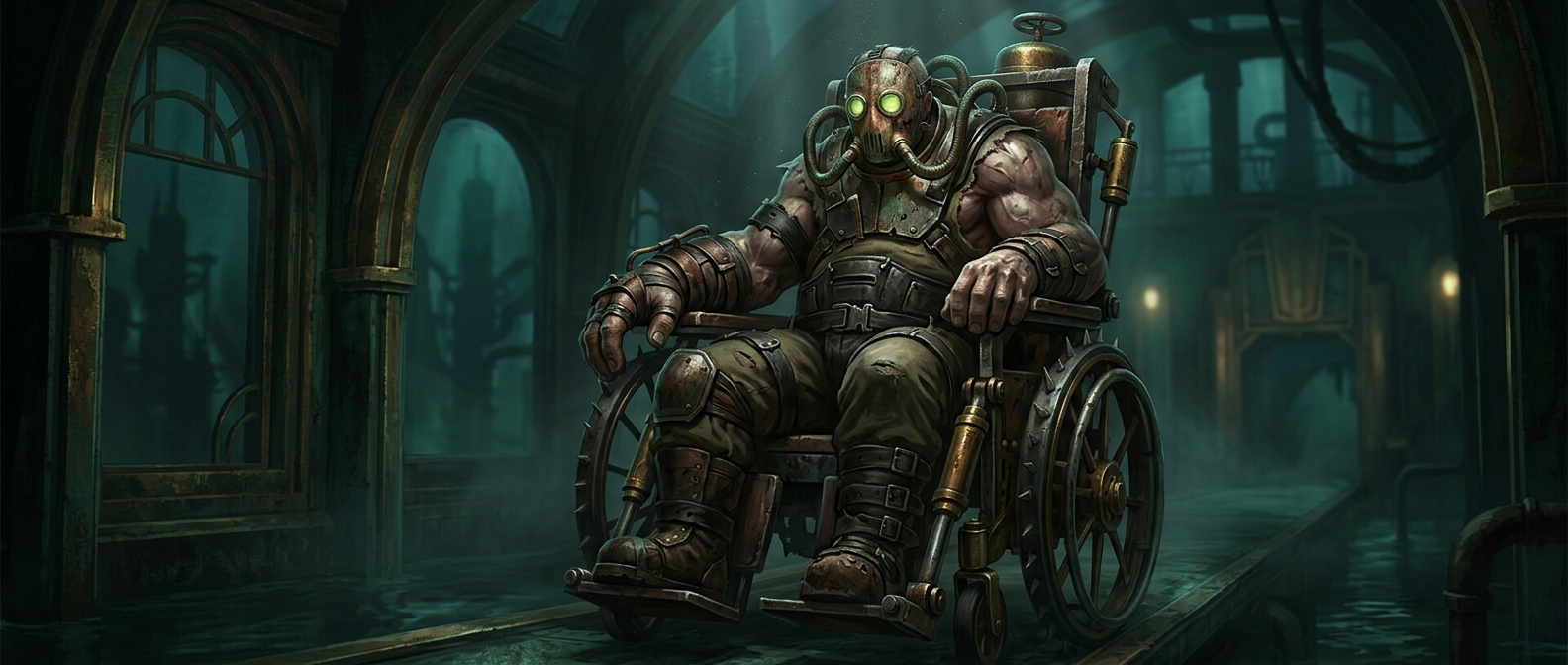
The revised idea replaced the cult setting with mutated addicts in an underwater city. That change made danger legible in game terms: opponents could pose a direct threat, so encounters could be built around combat rather than persuasion. The shift also moved the story’s tension away from changing a person’s beliefs and toward surviving a hostile place.
The setting helps make that danger feel inescapable. An underwater city is physically cut off from the outside world; its inhabitants and its environment belong to the same enclosed crisis. The change was not just a darker backdrop—it gave the game a conflict the player could act on moment to moment.