Why BioShock’s combat could eclipse its argument
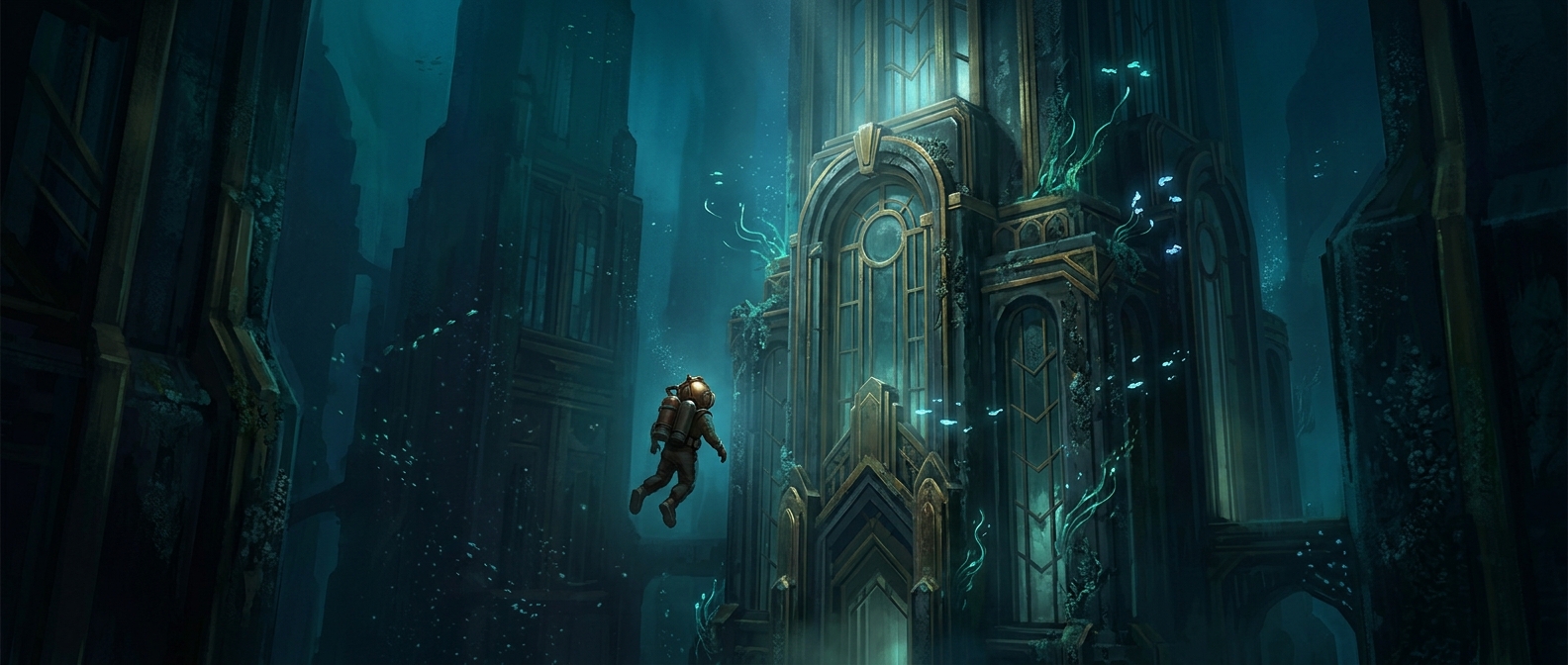
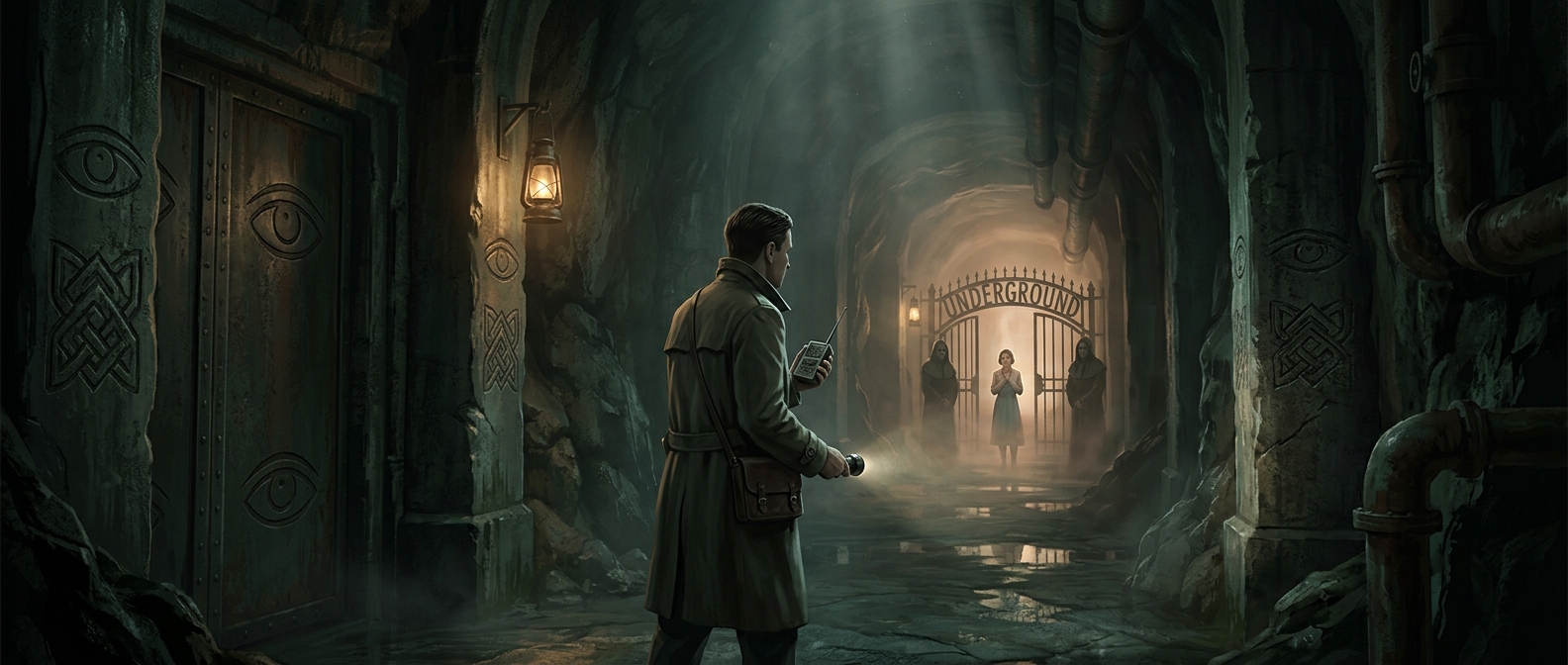
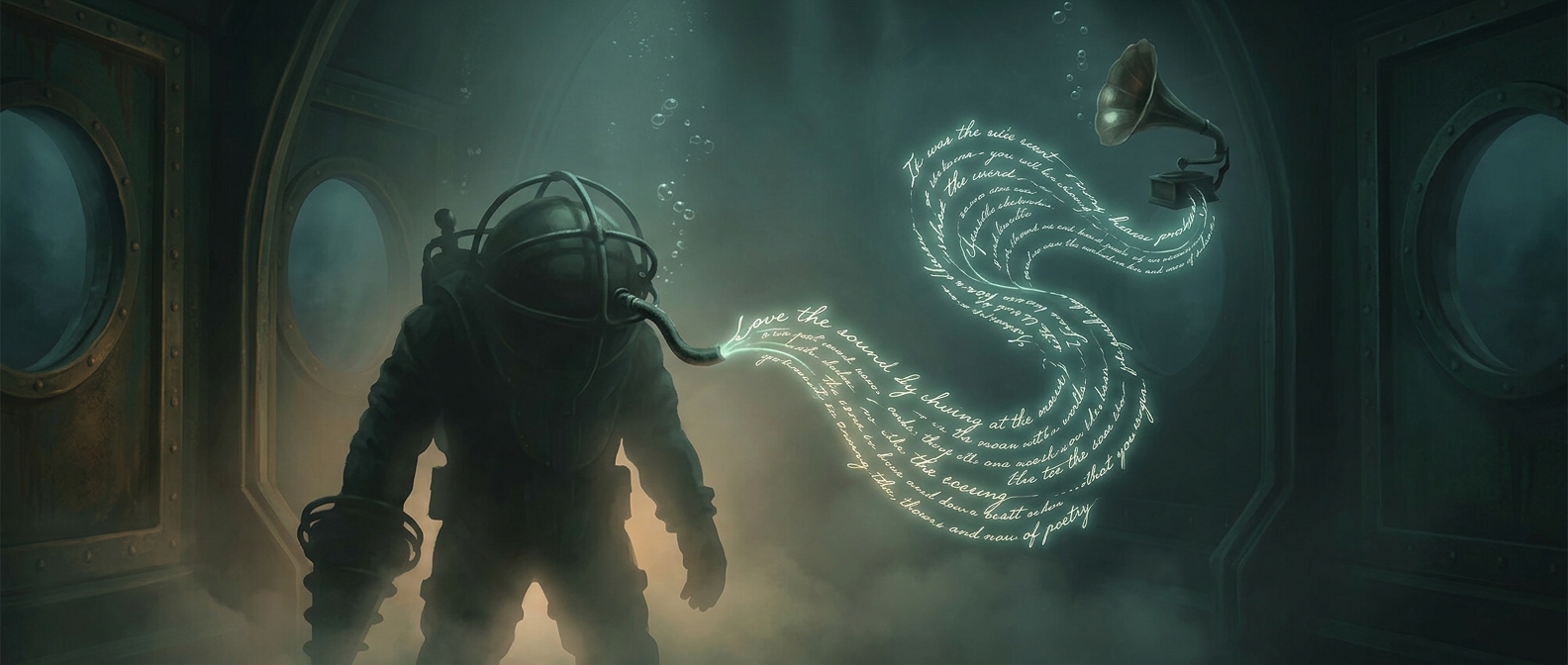
BioShock asks players to explore Rapture, an underwater city built around the idea that individual ambition should face few restraints. Its critique of that philosophy unfolds through the city’s history, its characters, and the rules governing the player’s choices. But the argument competes with something more immediate: staying alive in a corridor full of enemies.
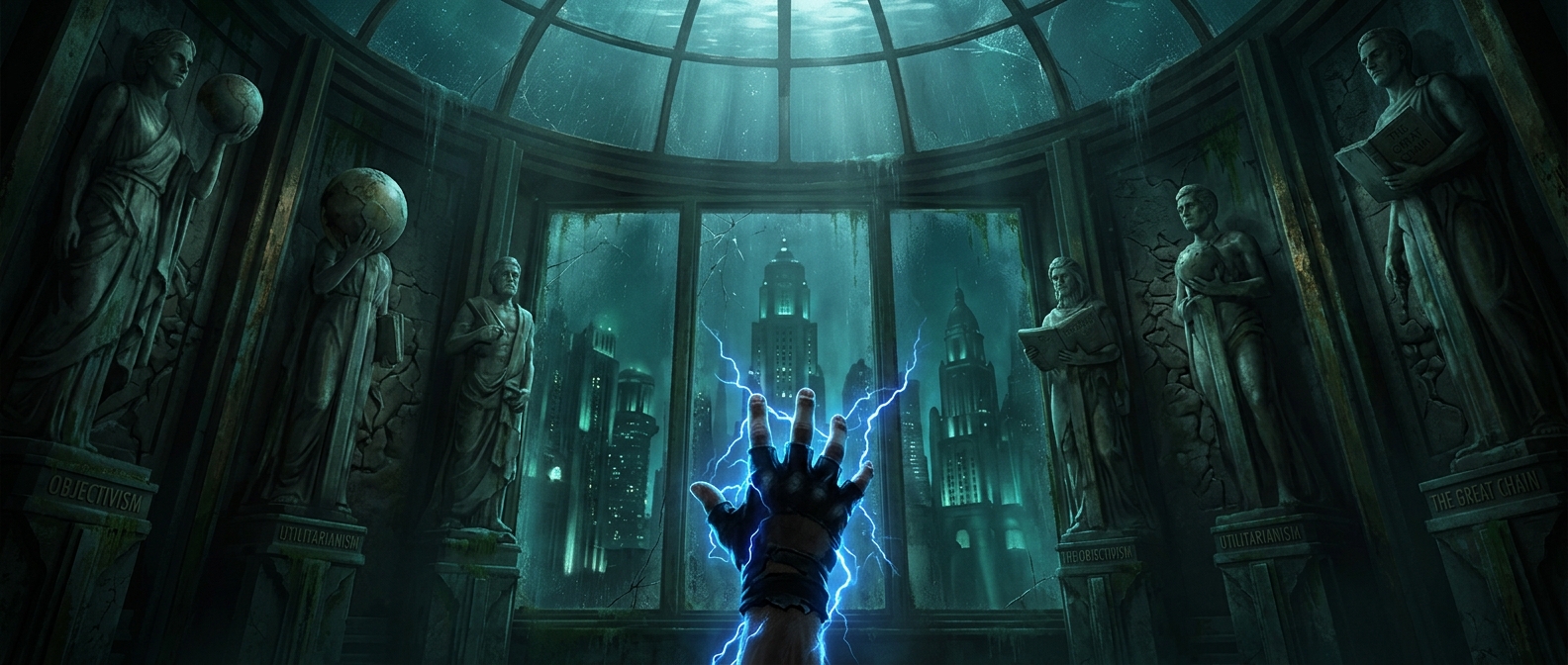
The game makes that pressure physical. Players can use guns alongside plasmids, genetic modifications that grant powers such as hurling electricity or summoning a swarm of bees. These abilities turn the city’s ideological conflict into a series of hands-on problems: which power will stop an attacker, and what resources are worth spending to use it?
A philosophical choice becomes a resource system
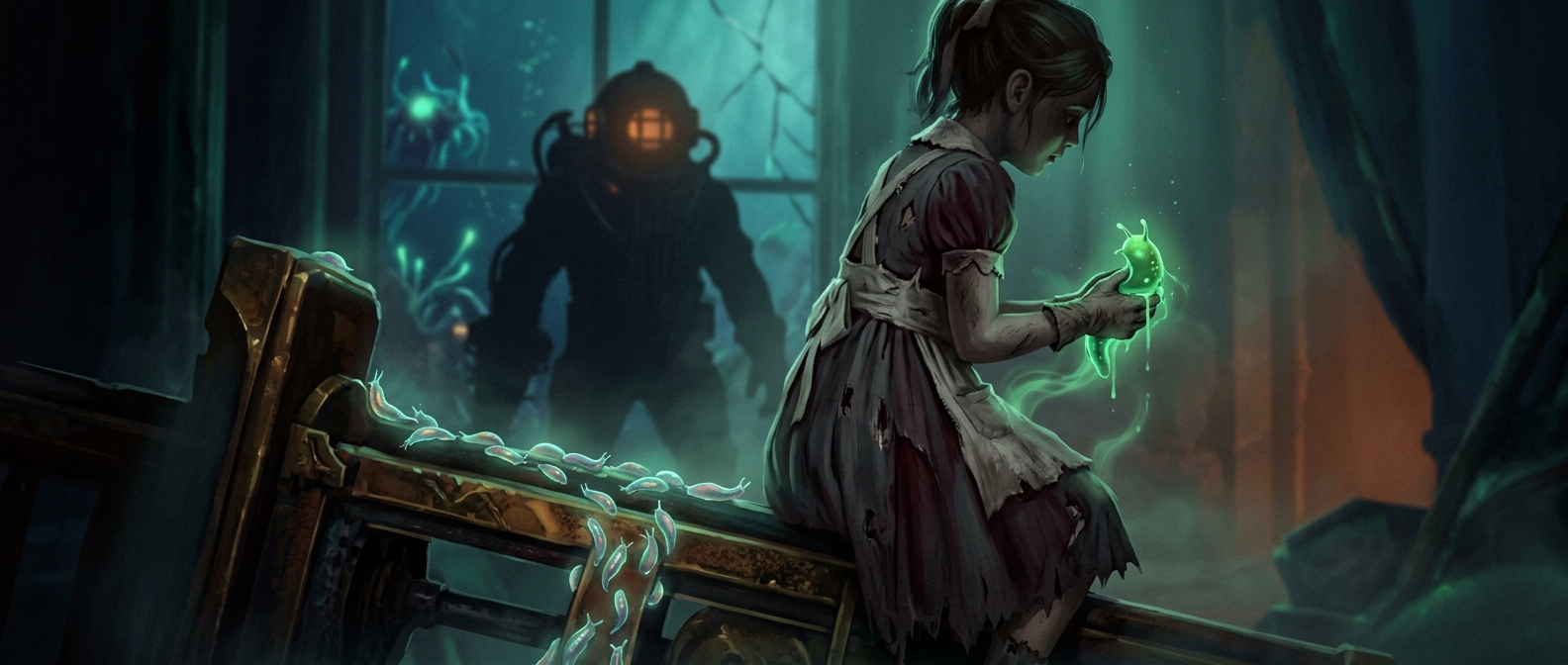
Those powers depend on ADAM, a substance produced through a process involving sea slugs. Little Sisters—children altered to collect it—carry ADAM through Rapture. Players can rescue them or harvest them, making the decision about their fate both a moral question and a practical calculation about future upgrades.
That structure links the game’s themes to play rather than leaving them in dialogue. Yet it also creates a mismatch in emphasis. The ethical stakes may be large, but the immediate reward is concrete: more power, another upgrade, a better chance in the next fight. The system invites players to weigh consequences while continually reminding them that the choice affects their survival.
What the player remembers
A critique of political ideas takes time to absorb; a shock of electricity or a cloud of attacking bees is instantly legible. Players encounter the game’s argument while moving, aiming, scavenging, and fighting, so its most vivid moments can be the tools they used rather than the ideas those tools were meant to frame.
That is not simply a failure of the story to reach the player. It is a consequence of games asking people to act: the mechanic that makes a theme playable can also compete with the theme for attention. In Rapture, the debate may concern what people owe one another, but the next encounter still demands a weapon.