Why Rapture looks like a city built to impress
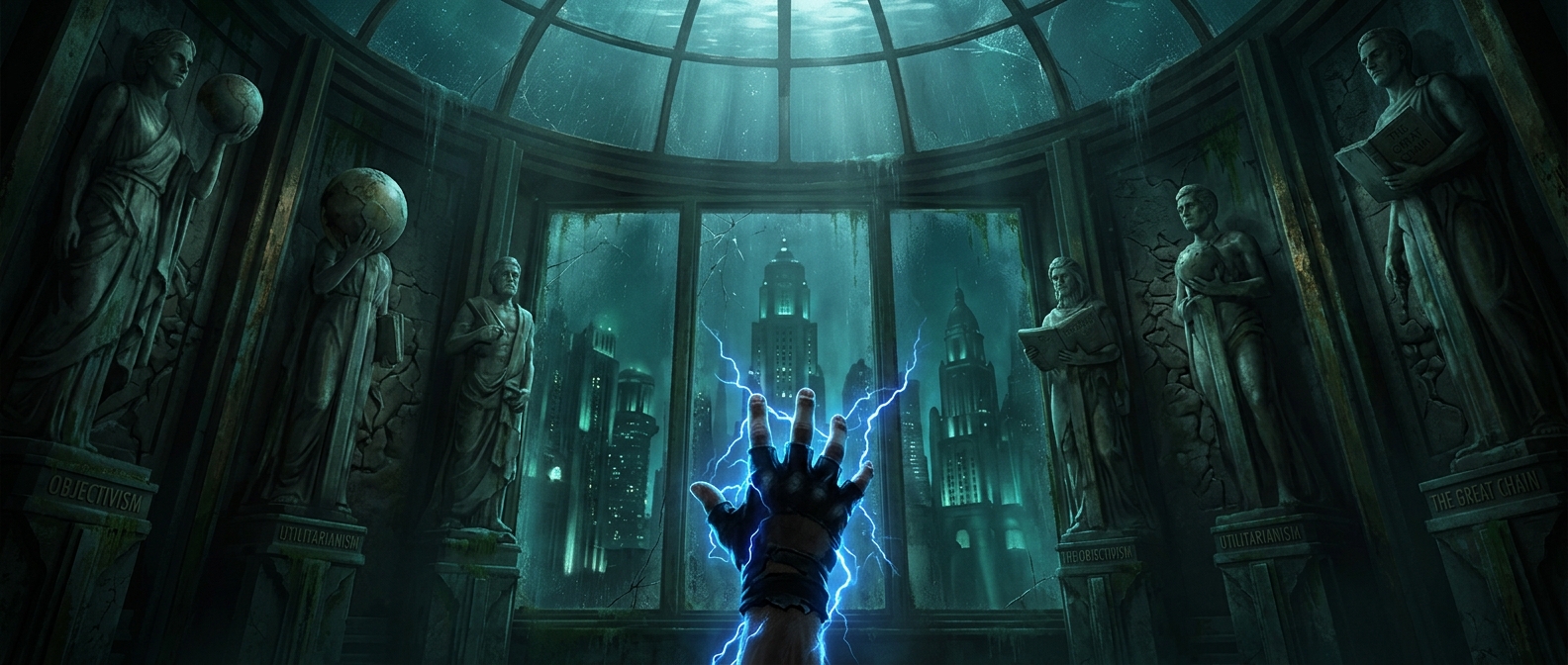
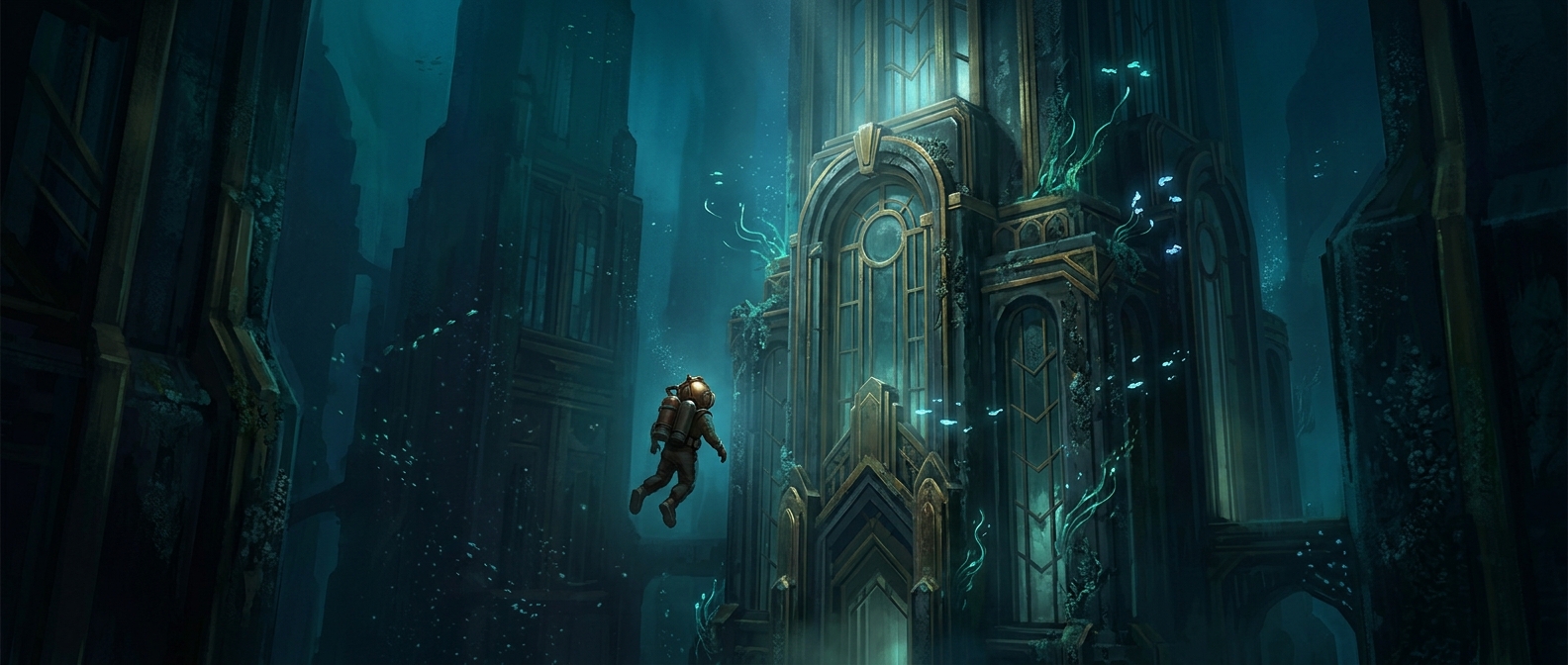
BioShock’s art deco is more than period dressing. The style—known for bold geometry, streamlined shapes, and polished materials—helps make Rapture feel like a place designed around confidence and ambition. Brass trim, grand lobbies, and orderly patterns suggest that the underwater city was meant to look prosperous and modern, even when its streets are empty.
That visual order also helps players read the space. Repeating lines and strong silhouettes make corridors, entrances, and landmarks easier to recognize as they move through an unfamiliar city. The architecture gives Rapture a consistent visual identity, so a hotel, theater, or business district can feel like part of the same planned world.
The setting turns that promise against itself
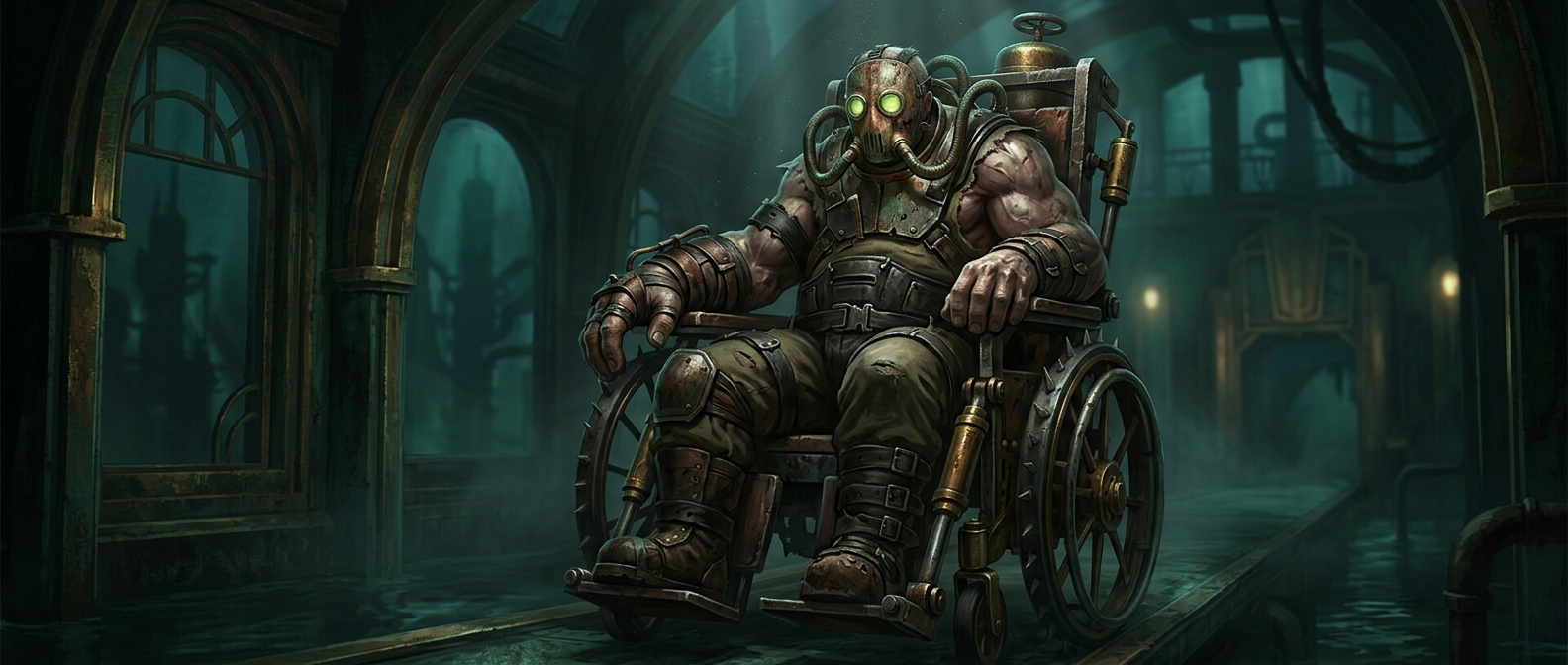
The contrast is deliberate: the architecture still presents an image of refinement, while broken interiors and hostile inhabitants show what has happened beneath it. A gleaming wall or carefully arranged lobby can make damage feel more unsettling than it would in a place that looked ruined from the start. The city seems to preserve the pose of success after the people and systems that sustained it have fallen apart.
This tension makes the environment do storytelling work without pausing the action. Players encounter Rapture’s collapse in the same rooms that once advertised its grandeur. The cleaner and more controlled the design looks, the sharper its failure becomes.