A prison is a chain of dependencies
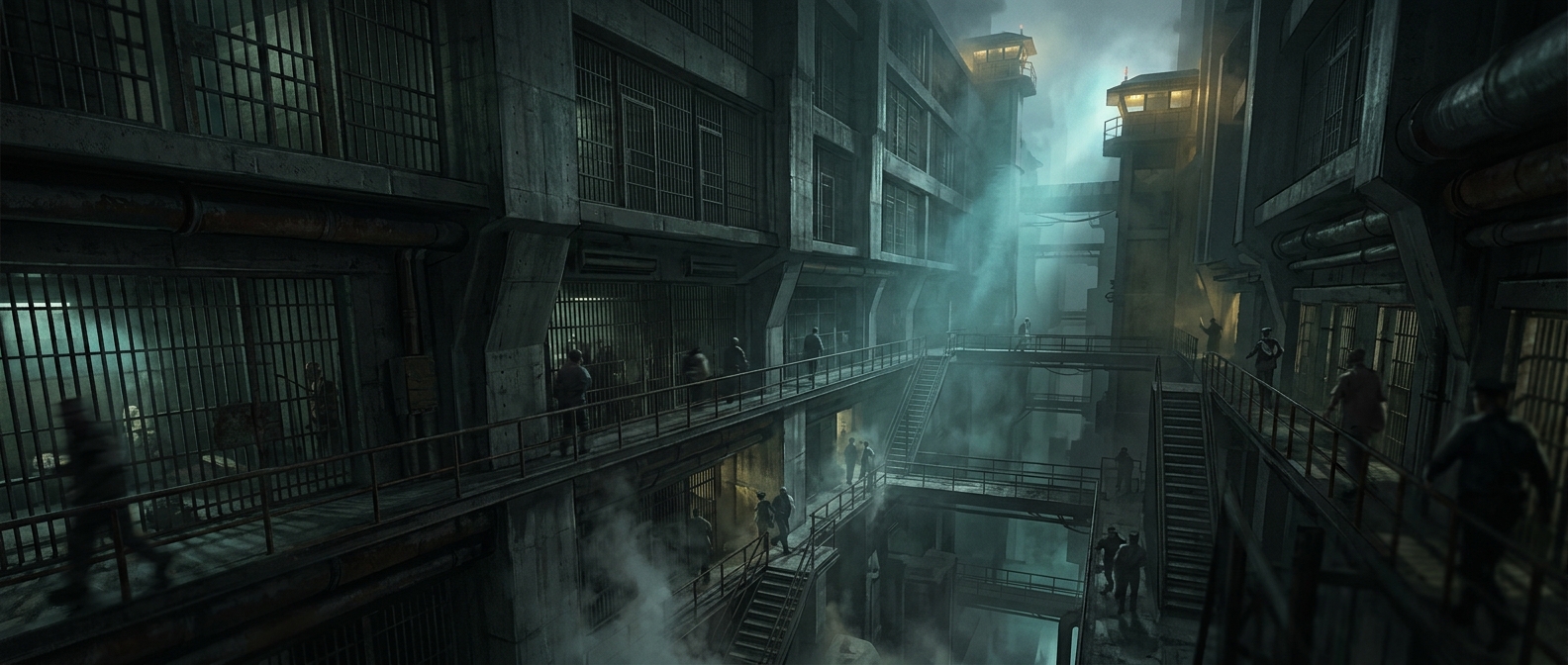
In Prison Architect, a building can look complete on the map and still fail as a working institution. Rooms need the right equipment, access, and staff to perform their assigned jobs. A solitary cell without its required door is not a secure place to isolate a prisoner; it is a gap in the system that can leave staff unable to carry out the intended response.
That turns construction into more than a puzzle of fitting rooms together. Each decision creates dependencies: a facility must be reachable, supplied, and staffed before it can meet the need it was built for. A missing component can make an expensive room useless at the moment it matters.
Small shortages can become public disorder
The cafeteria shows how an operational problem can spread. Meals depend on more than having tables in a room: the prison needs food, kitchen labor, and enough capacity to serve the people assigned to eat there. If those arrangements fall short, prisoners may go hungry, adding frustration to the pressures already shaping their behavior.
The game connects those everyday needs to security. Unrest is not simply a meter that rises because the player made one dramatic mistake. It can grow out of accumulated failures—poor conditions, unmet needs, and a response that arrives too late. A riot is therefore both a crisis and a report on how the prison has been managed.
Design for the routine, not just the emergency
The challenge is to make the daily system reliable before trouble starts: schedule meals, provide usable facilities, and ensure staff can reach the places where they are needed. Spending less may preserve money in the short term, but an understaffed or undersupplied service can shift the cost into lost control and damage.
That is the game’s sharpest management lesson: a prison can fail through ordinary omissions, not just spectacular mistakes. One unfinished doorway or a strained meal service can expose how many other parts of the plan depend on it.