A management game with a mischievous escape hatch
RollerCoaster Tycoon presents its park as a system to manage: guests arrive, spend money, form opinions, and react to what they find. Their complaints are meant to be useful signals. If visitors think admission costs too much, the straightforward response is to adjust prices or improve what the park offers.
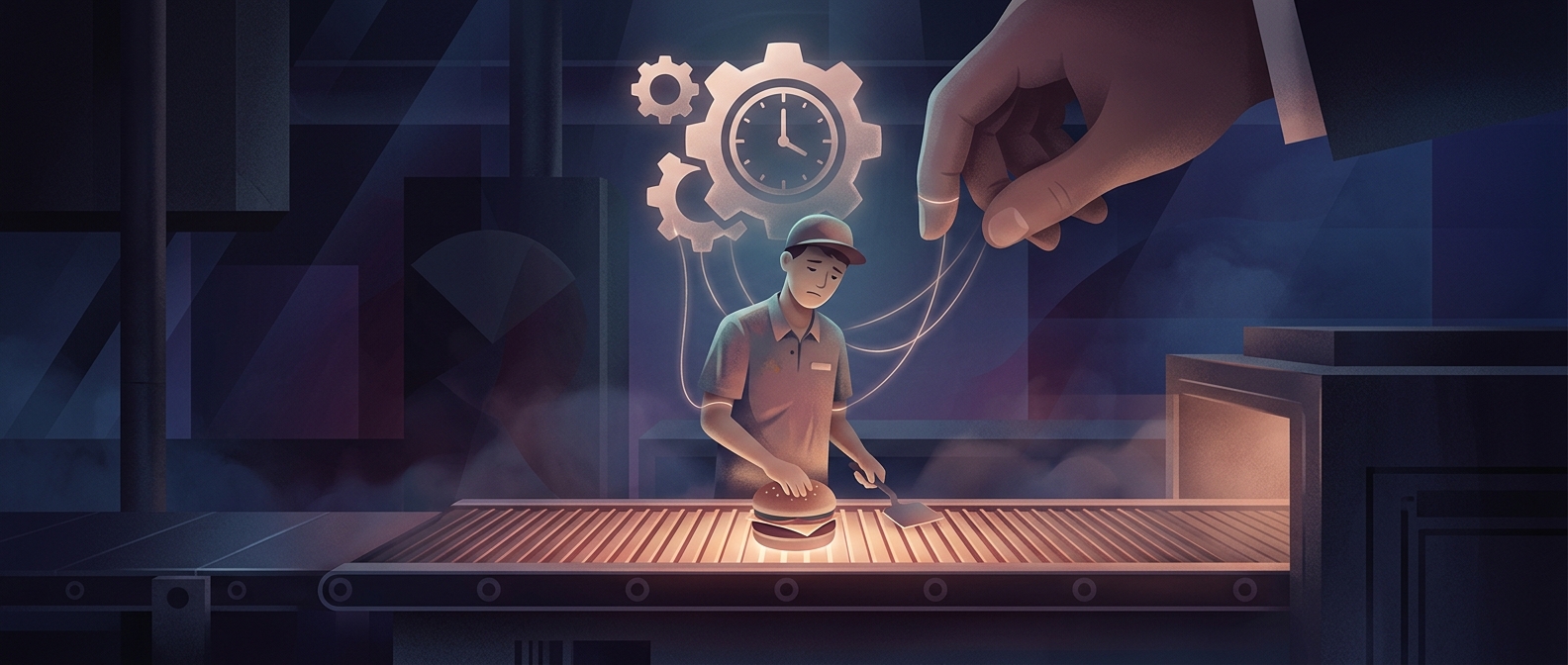
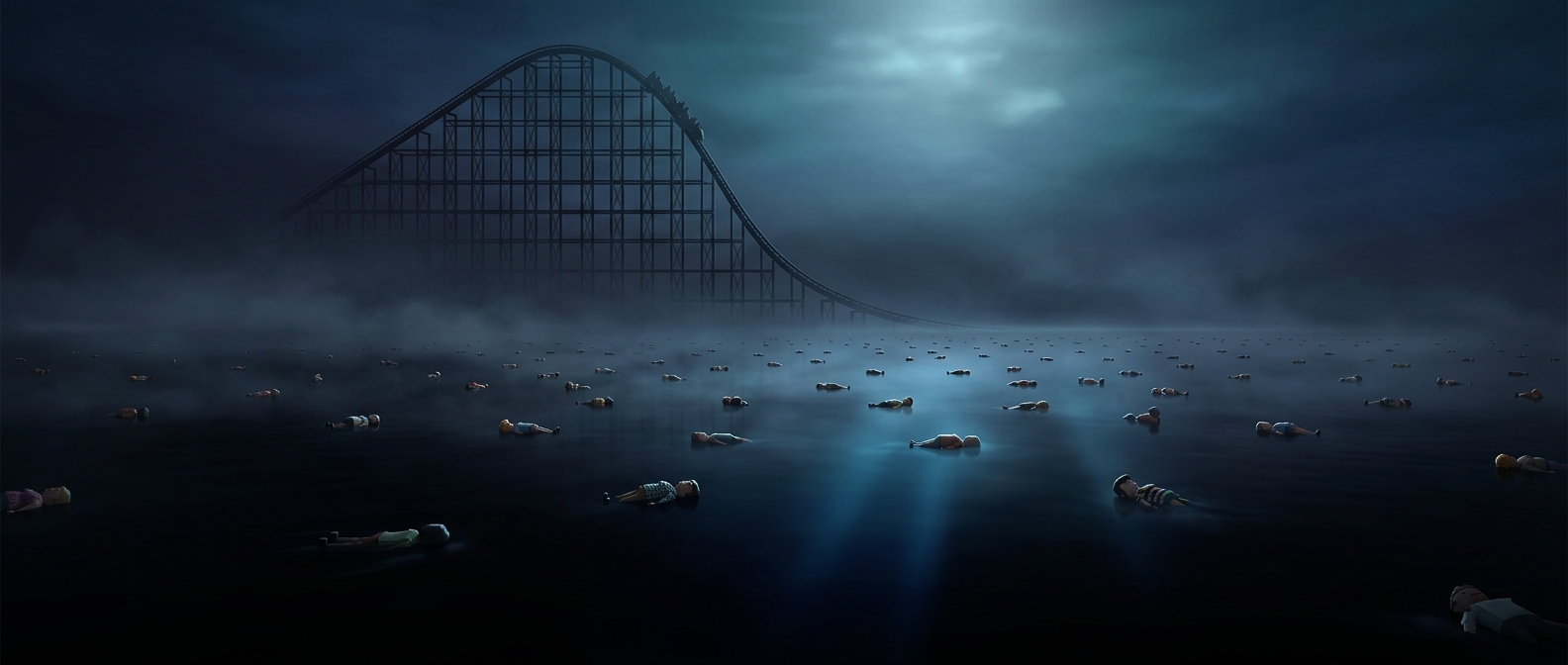
But the game also gives the player a giant hand that can pick up individual guests and move them. That turns an ordinary management problem into a dark joke: instead of persuading an unhappy customer to stay, the player can simply remove the customer from the equation.
Why the absurdity works
The hand is a direct-control tool in a game otherwise built around indirect control. Players usually change rides, paths, prices, and staffing, then watch crowds respond. Picking up a guest bypasses that chain of decisions. Dropping one into water pushes the same power to its cruelest, most cartoonish extreme.
That contrast is the joke—and a reminder that the park’s polished, cheerful surface does not limit what the player can do. The game treats guests as people with moods and complaints, but also as tiny pieces in a simulation that the player can physically rearrange. A price complaint becomes funny because the game offers a wildly disproportionate answer, not because it is a sensible way to run a park.