Why skipped dialogue can break the thread
Games give players unusual control over time: a conversation that would unfold at a fixed pace in a film can often be sped up or skipped with a button. That makes dialogue feel optional, especially when a scene seems to be delivering atmosphere or repeating information. But the player may not know which lines are decorative and which quietly introduce a name, motive, clue, or next step.
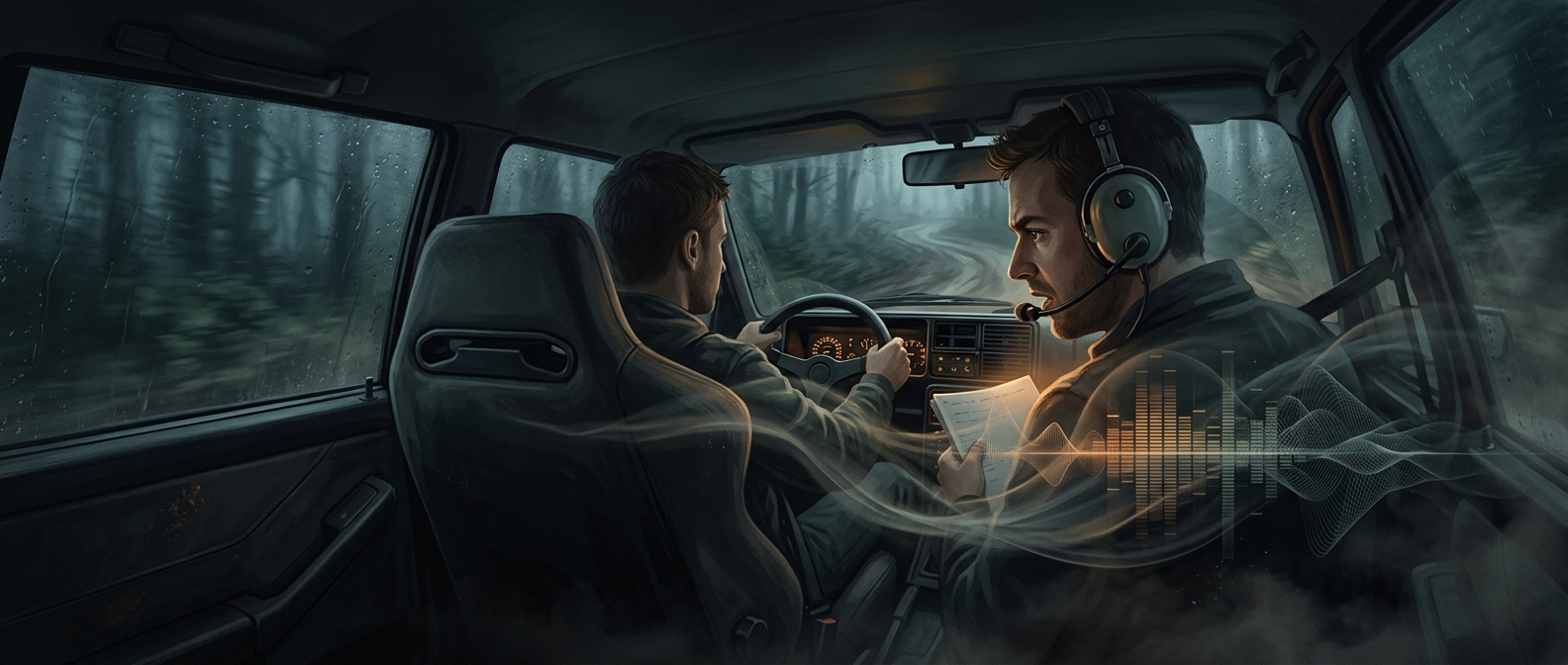
Voice acting can make this mismatch worse. Spoken dialogue takes longer to hear than a quick glance at a screen, and players accustomed to moving, exploring, or fighting may read the pause as a delay rather than part of the story. They skip to get back to action—then discover that the game has advanced the conversation and expects them to remember what was said.
A small choice with a hidden cost
Unlike a cutscene in a movie, game dialogue often carries instructions as well as characterization. A character might explain why a locked door matters, identify a person the player must find, or clarify what has changed since the last mission. If the player misses that information, the objective marker may still point somewhere, but the reason for going there—and what to do on arrival—can be unclear.
Designers have to balance pace with comprehension. Repeating key details in a journal, objective summary, or later line can help players who skip; putting every important fact in those places, though, risks making conversations feel disposable. The same scene must serve players who want to listen and those who want to move on.
That is why a useful rule for players is to pause before skipping a scene that introduces a new character, location, or task. A few seconds of dialogue can contain the difference between knowing where the game sent you and understanding why you are there.