Why a failed boss fight can replay the same scene
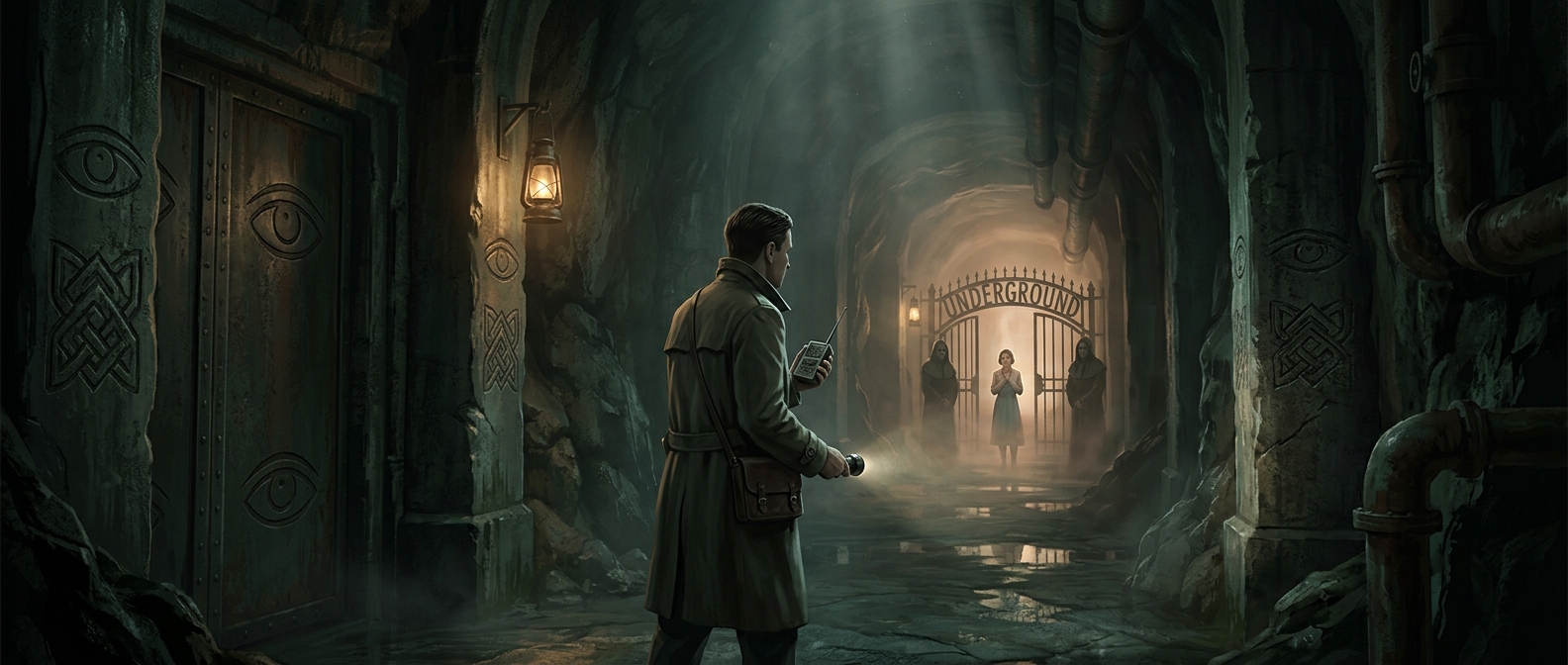
A boss encounter often puts a story scene immediately before the fight: the villain appears, explains the stakes, and the player takes control. If the game saves a retry point after that scene—or simply restarts the encounter from a fixed sequence—losing can send the player back through the same cinematic before another attempt.
That repetition comes from how the game connects its narrative and gameplay, not from the scene changing. A cinematic is a scripted sequence of animation, dialogue, and camera work. If the game does not offer a skip, or the skip becomes available only after the scene has played once, each retry can make the player watch it again.
The scene becomes part of the challenge
On a first attempt, the monologue may build anticipation. By the fifth, the player is likely focused on the delay between failure and trying again. The fight itself may last only a short time before another mistake sends the player back to the opening scene, so the same dialogue can feel longer with every replay.
Designers have to balance storytelling with the rhythm of retries. A dramatic entrance can establish a boss’s character and make the confrontation feel important; a checkpoint or skip option can keep that drama from becoming a repeated toll. When those pieces do not line up, the player encounters the story less as a one-time reveal and more as a fixed step in the retry loop.
Eventually, the words stop being new information. The player may learn the speech’s timing as surely as the boss’s attack pattern—reciting the villain’s lines not because the scene demanded attention, but because every defeat made them hear it again.