Why a Veteran Might Need to Learn a Roll
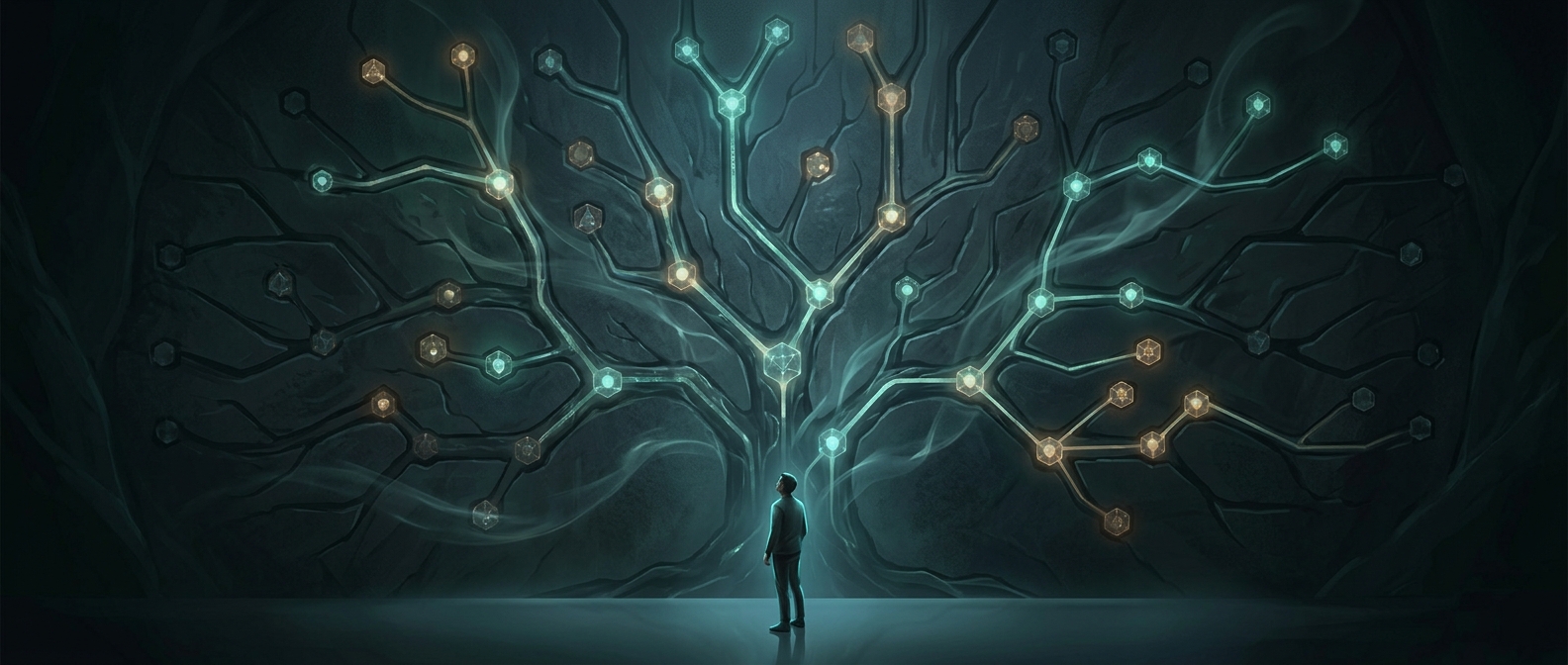
In a game with a skill tree, a character’s abilities are not always a direct record of what they could plausibly do in the story. They are also part of the game’s progression system: spending a limited point on a move makes that move a choice, rather than a free addition to the character’s toolkit.
That choice gives the designers a way to pace new options. A roll might consume a point that could instead improve a weapon, unlock a special attack, or strengthen defense. The menu turns a basic action into a tradeoff, asking players to shape a particular kind of fighter instead of collecting every advantage at once.
The Menu Is a Model, Not a Training Manual
This can create a mismatch between a character’s image and their available controls. The story may present a seasoned warrior, while the mechanics treat that warrior as a blank slate in one narrow area. The system is usually tracking what the player has unlocked, not making a claim about what the character has literally forgotten.
There is a practical benefit: limiting moves helps keep combat legible and makes progression noticeable. But it also means designers must decide which abilities count as basic and which are worth earning. Put too much behind unlocks, and the character can feel strangely helpless; make everything available from the start, and a new skill may feel less like an achievement.
So the locked roll is more than a quirky menu detail. It reveals the bargain at the center of many progression systems: the game may trade a little immediate plausibility for a clearer sense that the player is building the fighter they want.