Why a Boss Changes When Its Health Runs Low
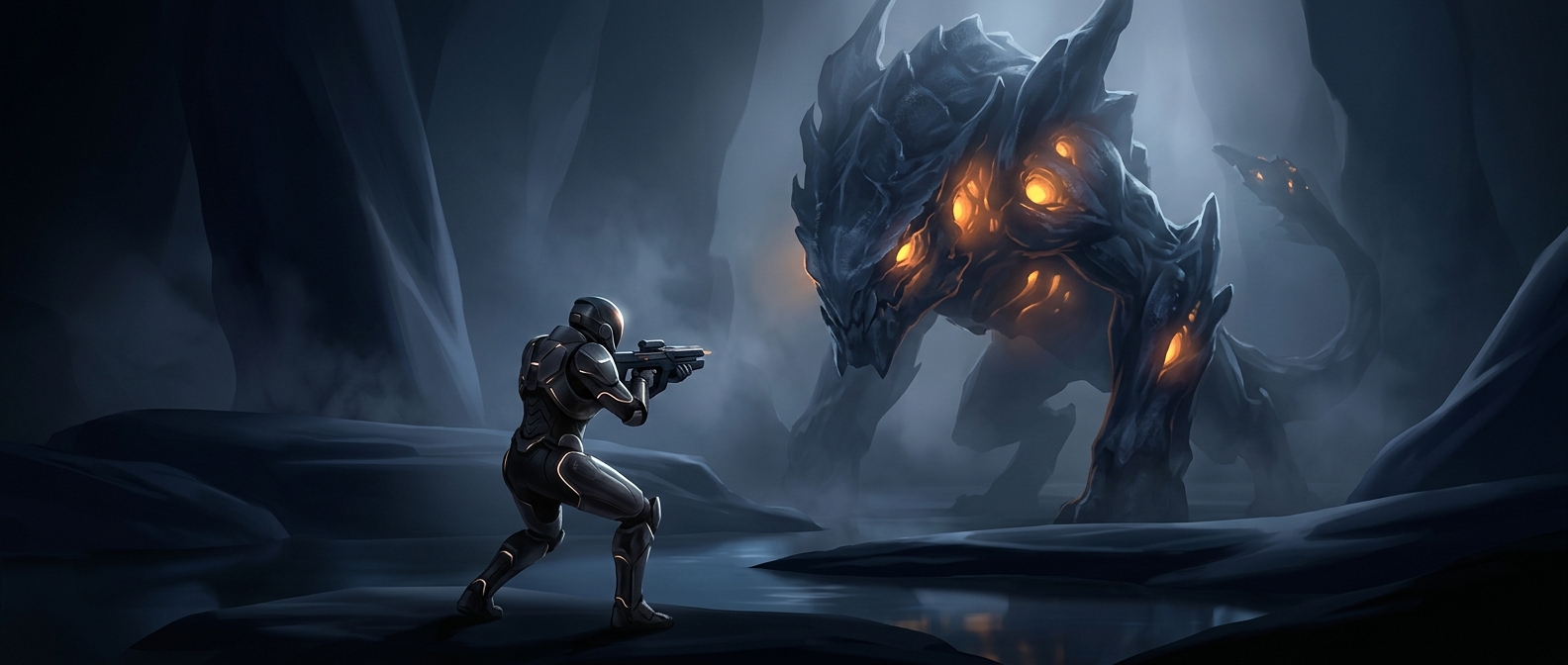
A phase change turns one long fight into a sequence of different problems. Early in the battle, players can learn the boss’s reach, timing, and openings. Near defeat, a new attack pattern asks them to use that knowledge under greater pressure rather than simply repeat the same safe routine until the health bar empties.
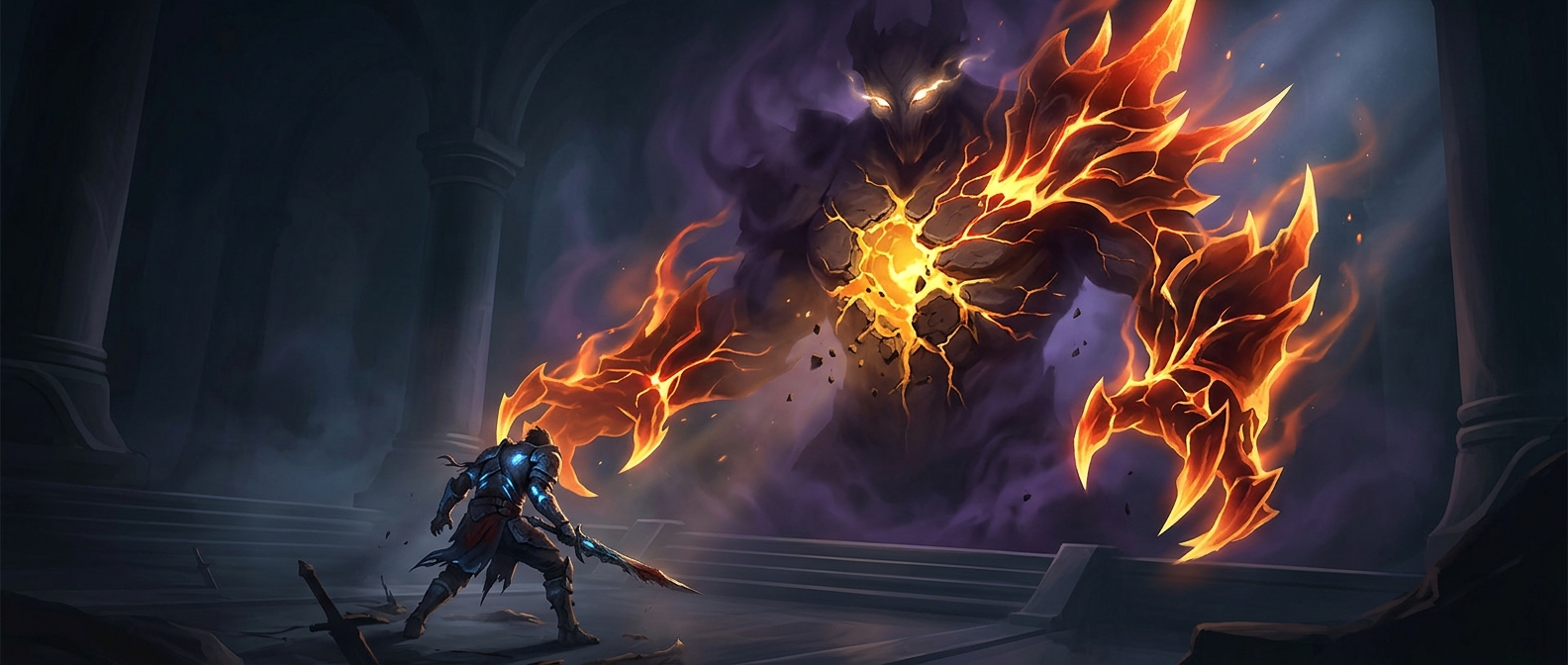
The shift is often tied to a health threshold: once the boss drops below a set point, the game switches to a more aggressive version of its behavior. A visual cue, such as a color change, helps signal that the rules have changed. New moves can make familiar openings shorter or force players to reposition, so the final moments feel like a climax rather than an extended cleanup.
The Risk of Taking Progress Away
Healing raises the stakes by undoing some of the damage the player has already dealt. That can make the final phase feel urgent, but it also risks feeling unfair if the boss restores too much health or does so without a clear warning. Designers have to balance the surprise and pressure against the player’s sense that their earlier effort still counts.
A well-shaped transition makes the boss tougher without making it unreadable. The player may have less time to react, but recognizable cues still offer a chance to respond. That is the point of the escalation: the last stretch tests whether the player can adapt, not just whether they can keep attacking.