How a combo temporarily takes control away
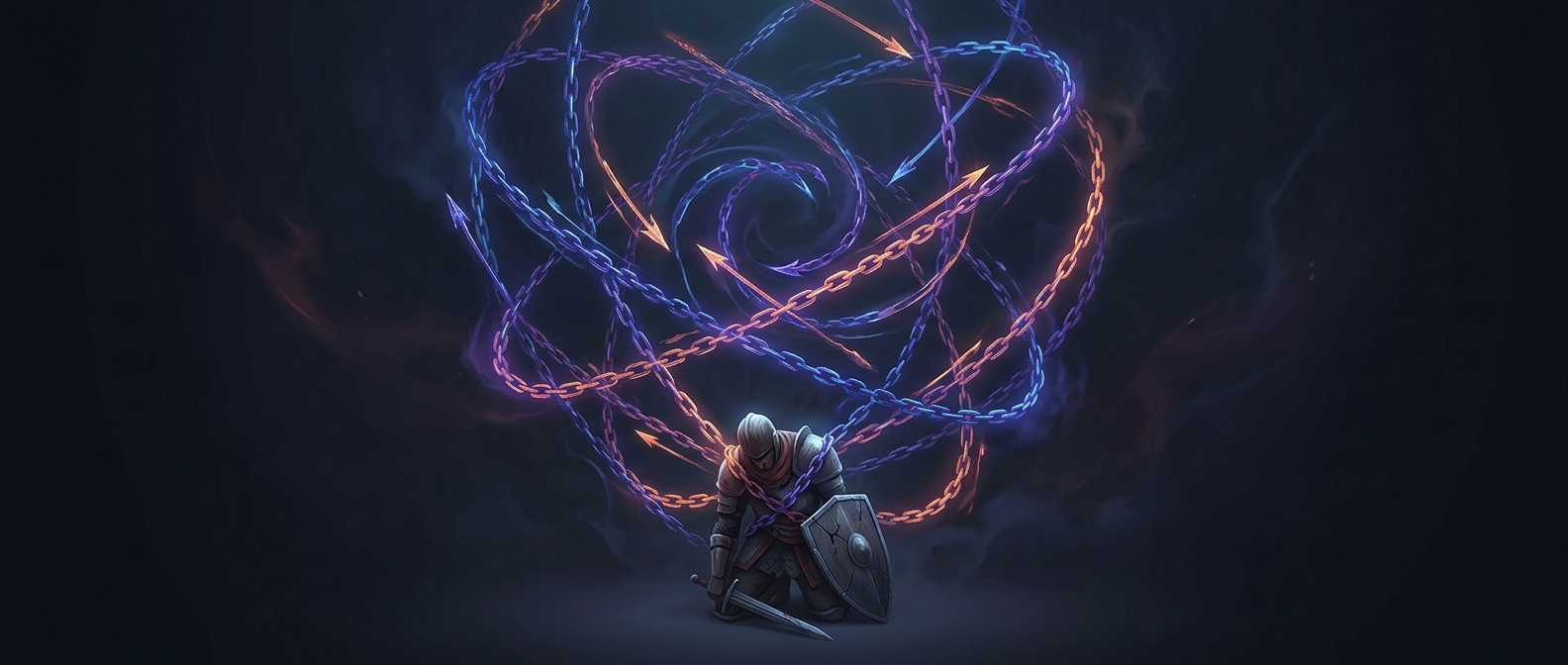
A combo works because each hit lands before the defender can recover from the last one. After being struck, a character enters hitstun: a brief period in which the game will not accept ordinary movement or attack commands. If the next blow connects as that period ends—or launches the character into another attack—the defender stays trapped in the sequence.
Airborne combos use the same principle. A launcher knocks a character upward, and gravity brings them back down, but neither movement necessarily gives them control. The attacker can time follow-up hits to keep the defender suspended or send them into another attack before they can recover. To the player being hit, it can look as if the character is floating helplessly; mechanically, the game is still counting down recovery between impacts.
Why games allow it—and where it stops
Combos reward players for recognizing an opening and linking attacks with precise timing. The defender’s loss of control is part of that payoff: a clean hit can be turned into meaningful damage rather than ending after one strike. But designers also limit how long the sequence can continue. Games may reduce damage on later hits, make a character fall out of reach, or provide other ways for a combo to end. The details vary, but the aim is to keep a successful opening powerful without letting every hit lead to an endless one-sided attack.
That is why defense often matters most before the first hit lands. Once a combo has begun, the defender may have no move available until the sequence ends; their next chance is to block, evade, or punish the attacker’s next approach.