A crowd needs room to be readable
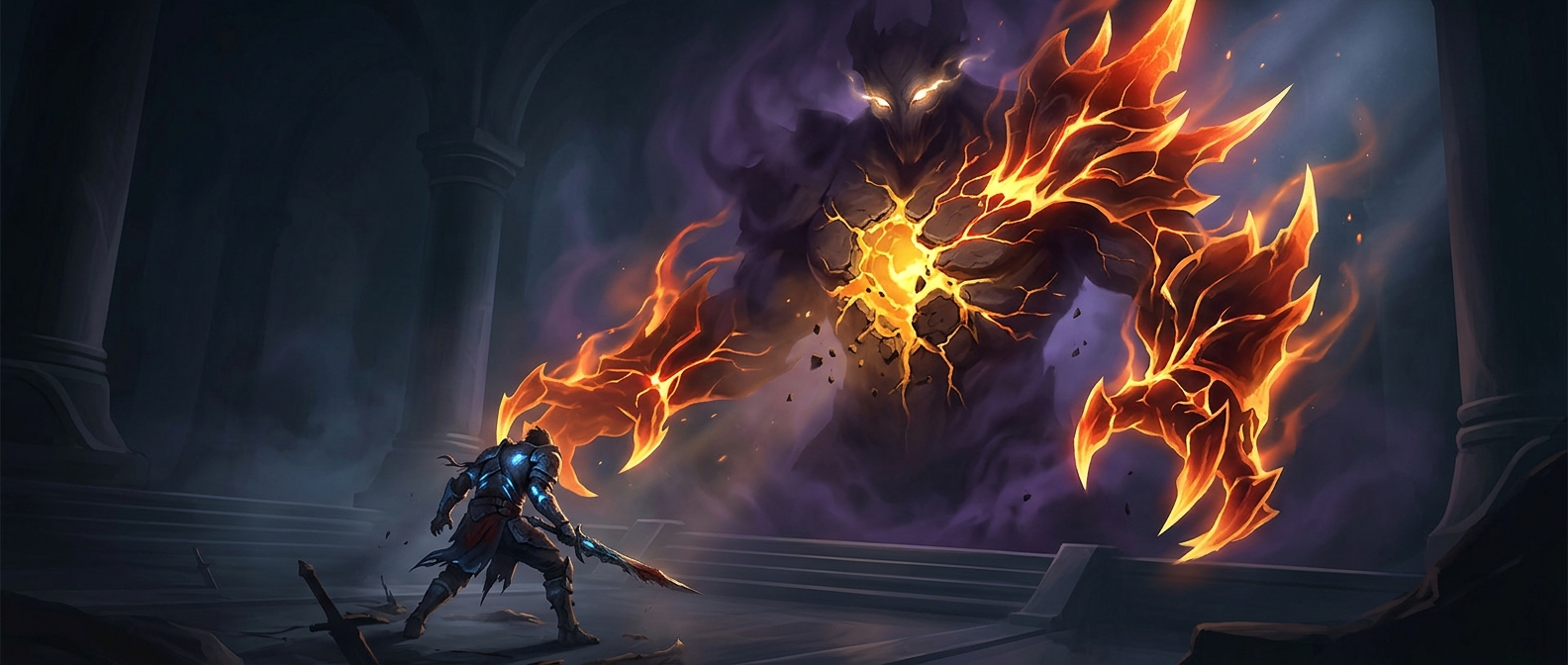
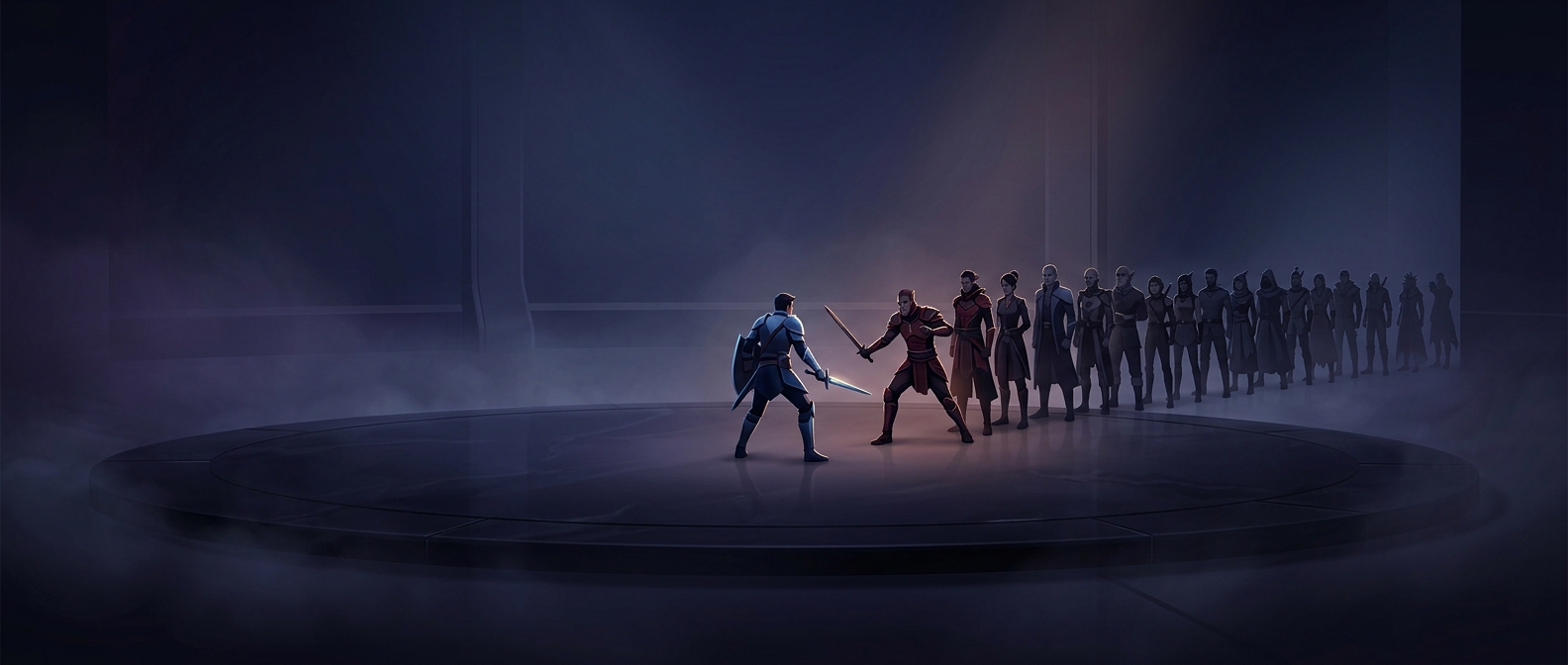
If every nearby enemy attacked at once, the player could take damage from several directions before there was a clear chance to react. Staggering attacks gives each threat a readable turn: an enemy steps in, signals its move, and commits, while others hold back or reposition. The player can then connect a hit or dodge to a specific opponent’s action rather than facing a blur of overlapping attacks.
The waiting enemies still shape the fight
This behavior is often a design choice, not simply a sign that the game cannot make enemies act together. Designers can limit how many enemies attack at once, or give them different jobs: one closes distance while another circles, blocks an escape route, or attacks from range. The pause also lets an enemy’s animation finish; if several attacks land simultaneously, their motions and effects can obscure one another and make it harder to tell what hit the player.
A well-managed crowd therefore creates pressure without making every opponent equally urgent at every moment. The player must watch the one attacking while tracking where the others are moving. When the balance works, a fight feels like a crowd pressing in—but still gives the player enough information to make a meaningful choice.