How an accidental opening became a fighting-game staple
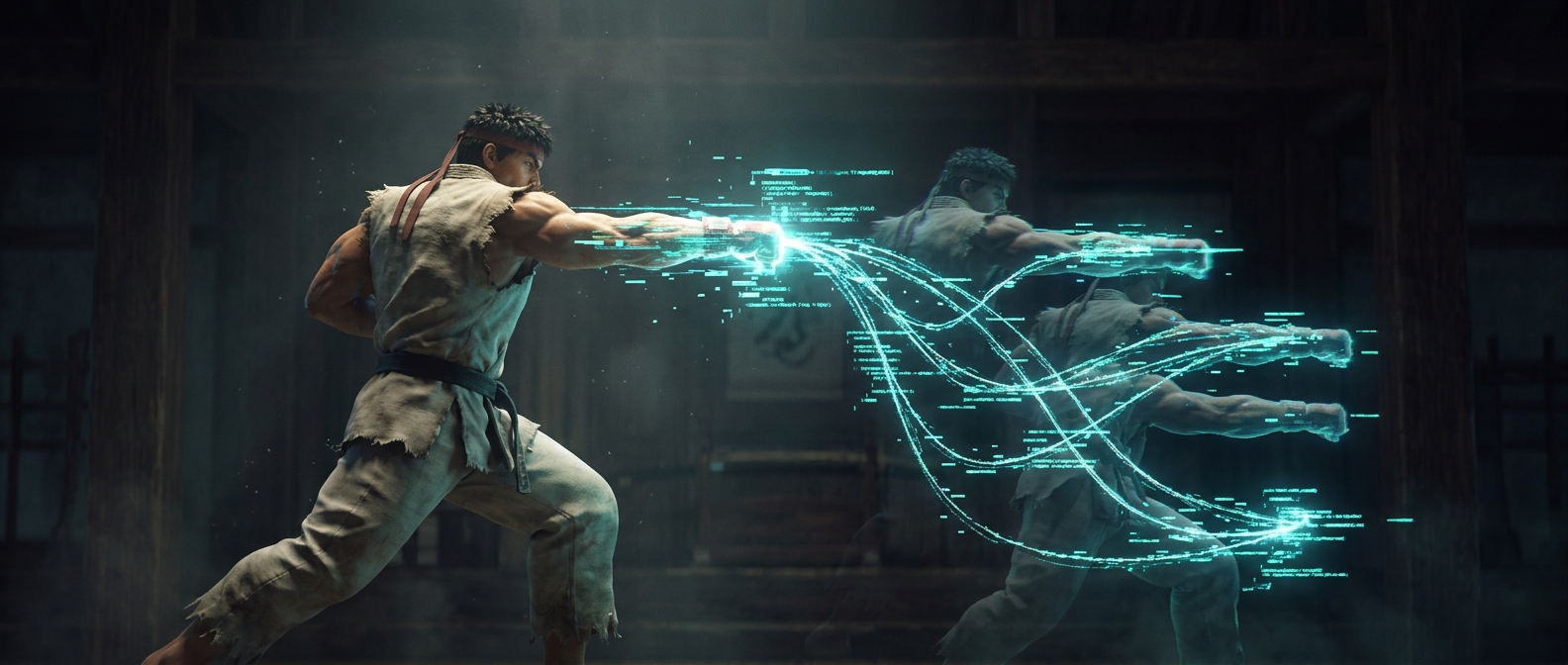
In early fighting games, an attack did not end the moment its animation stopped. The game also had to track recovery time: the brief period when a character could not act again. Meanwhile, a struck opponent might be stuck in a hit reaction, unable to defend. In some situations, a player could start another attack before that opening closed.
That timing overlap made it possible to land one hit and then another before the opponent could respond. Players began linking attacks this way, creating what came to be known as a combo. In early games, these links could emerge from how attack timing and hit reactions happened to interact, rather than from a deliberate plan to let players chain moves.
From discovered quirk to deliberate design
Once players found the technique, it changed what skillful play could look like. A successful hit was no longer just damage; it could be the start of a sequence that demanded quick recognition and precise timing. Combos also gave experienced players a way to turn a small opening into a substantial reward.
Developers could have removed the behavior. Instead, the mechanic proved compelling, and later fighting games made combo systems more explicit and carefully tuned. Designers now decide which moves can link, how long an opponent remains vulnerable, and how much damage a sequence should deal. Those choices shape the balance between a dramatic payoff and a chance for the defender to recover.
The lasting twist is that a feature now central to fighting-game strategy began as a side effect of the game’s timing rules. What started as an exploitable gap became a language players and designers learned to use on purpose.