How a Pinball Flipper Turns a Bounce Into a Choice
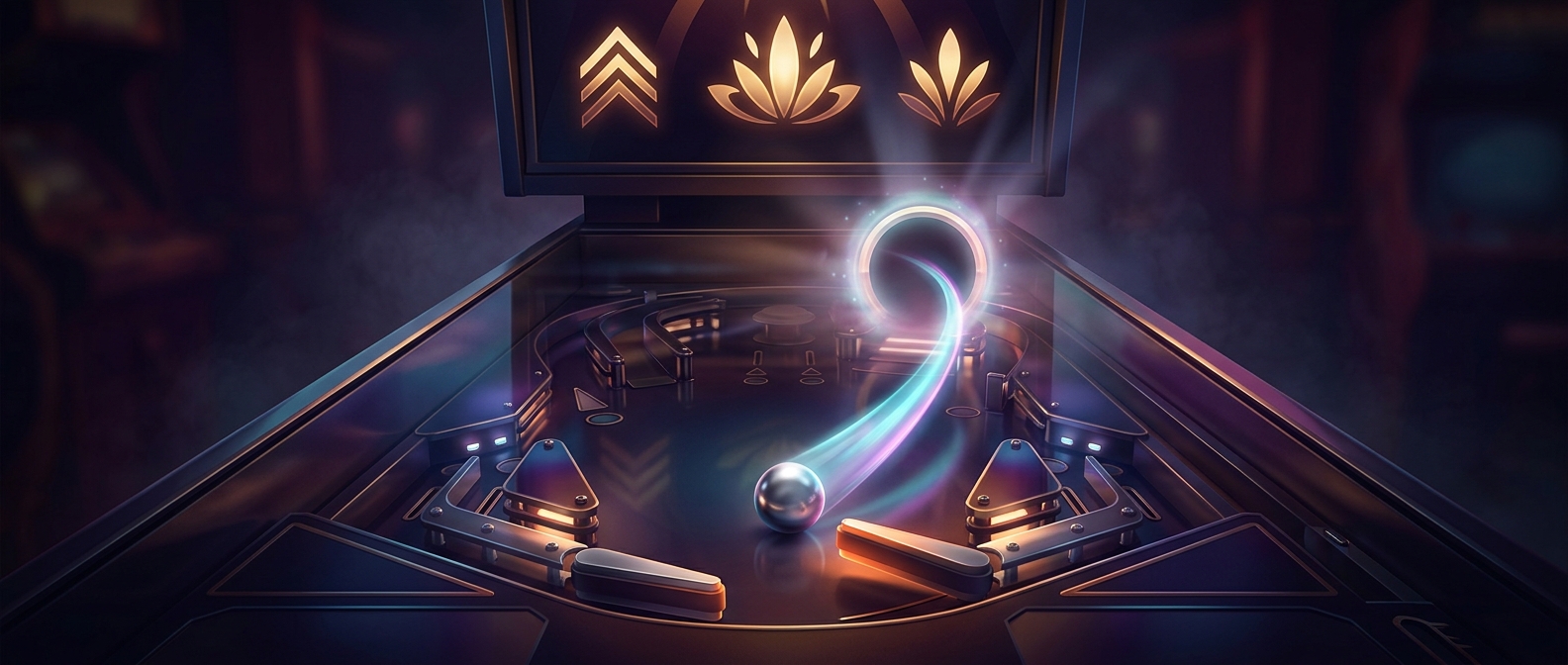
A pinball table is tilted, so gravity keeps the ball moving downhill. The flippers interrupt that steady pull: pressing a button sends one of the hinged paddles upward, giving the ball a sharp shove. The player is not steering the sphere continuously; they are choosing when and where to change its path.
That distinction makes timing more important than simply pressing as fast as possible. A ball can arrive at a flipper at different speeds and angles, and each contact sends it off on a different trajectory. A well-timed hit may aim toward a target, while a hurried or poorly placed one can send the ball across the table—or back toward danger.
The Table Is a Moving Puzzle
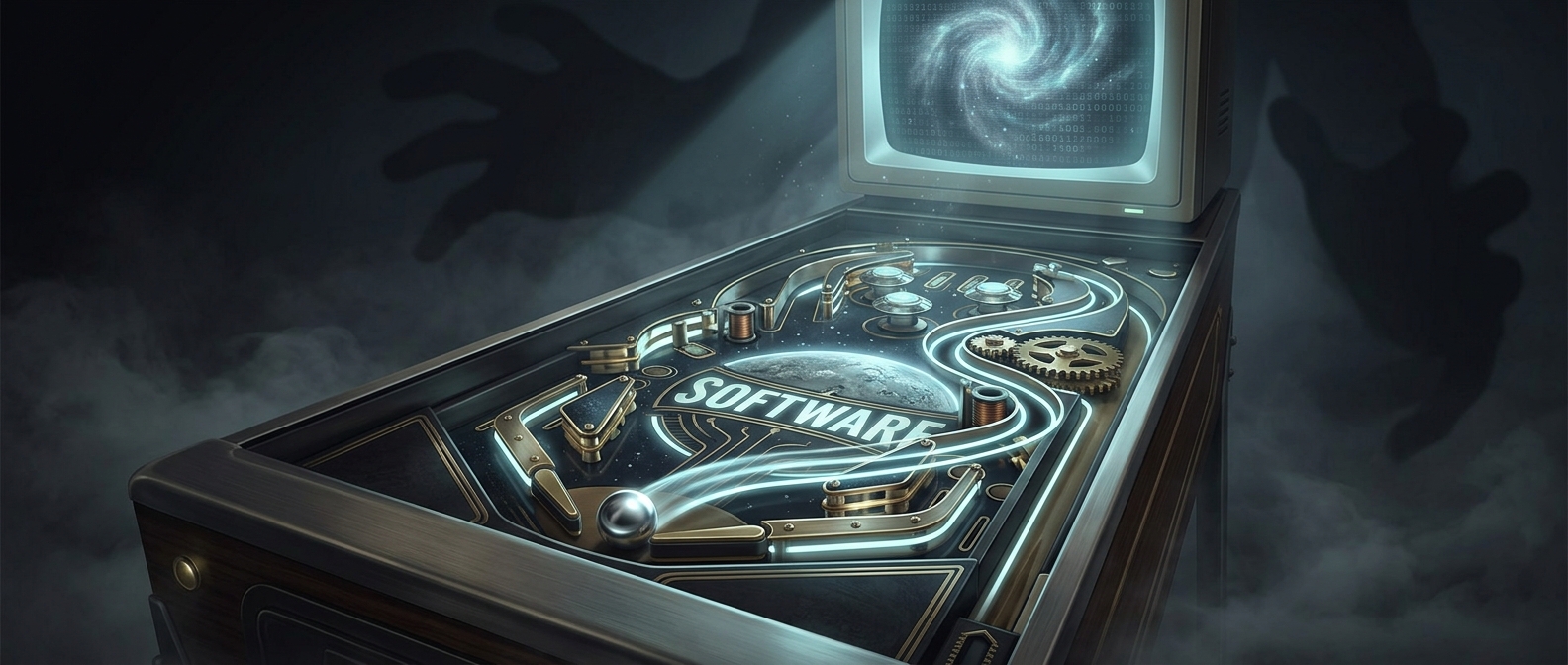
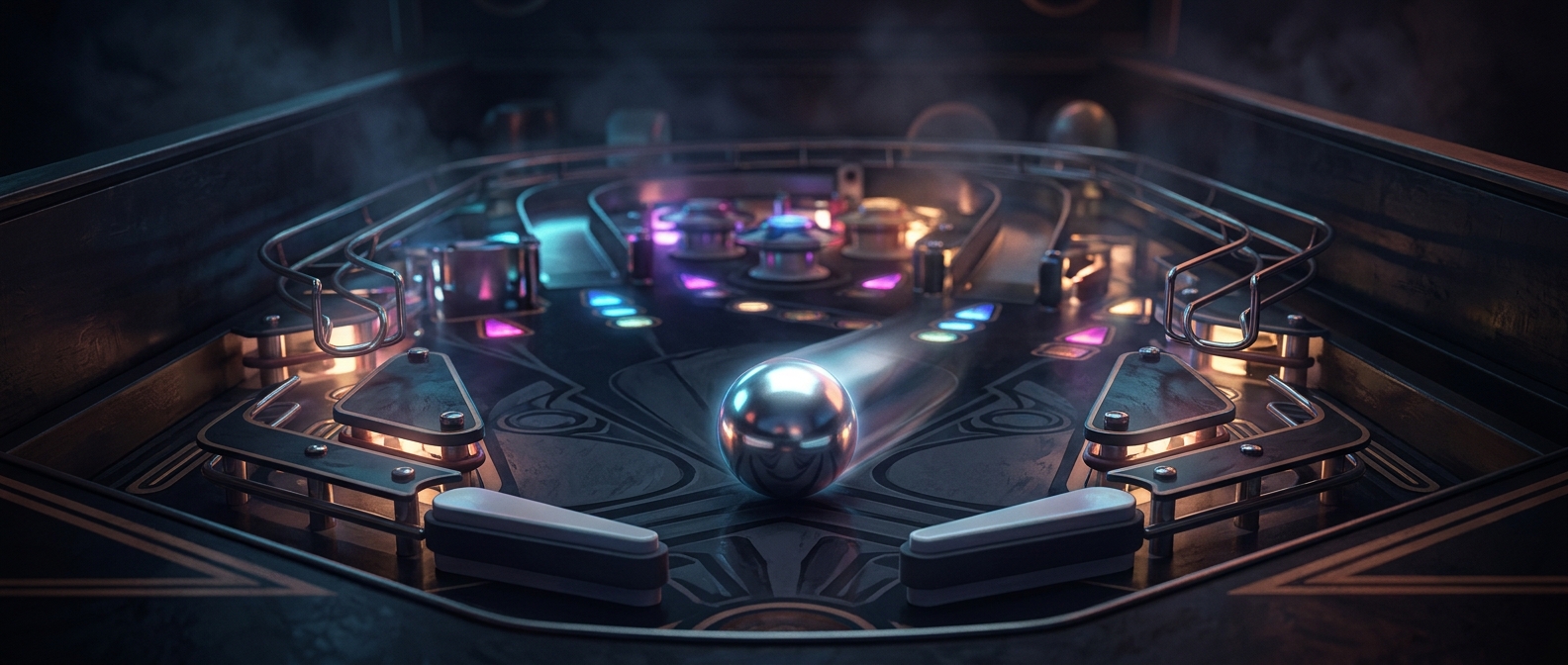
Bumpers, ramps, targets, and sloped surfaces shape the ball’s route. Each feature can redirect it, but the player has only brief moments to react. Designers use that limited control to create a rhythm of anticipation and response: the ball travels unpredictably, then a flipper offers a split-second chance to act.
The result is a game that mixes reflexes with judgment. Keeping a ball alive matters, but so does choosing a shot that advances the table’s objectives. A flipper press is both a rescue attempt and a decision about where the ball should go next.