How pinball became a target
New York’s ban grew out of a broader campaign against gambling during the Depression and World War II. Early pinball machines had no flippers: players launched a ball and watched it roll through the playfield, which made the outcome look largely dependent on chance. Some machines also paid out prizes or cash, giving officials a straightforward reason to treat them as gambling devices.
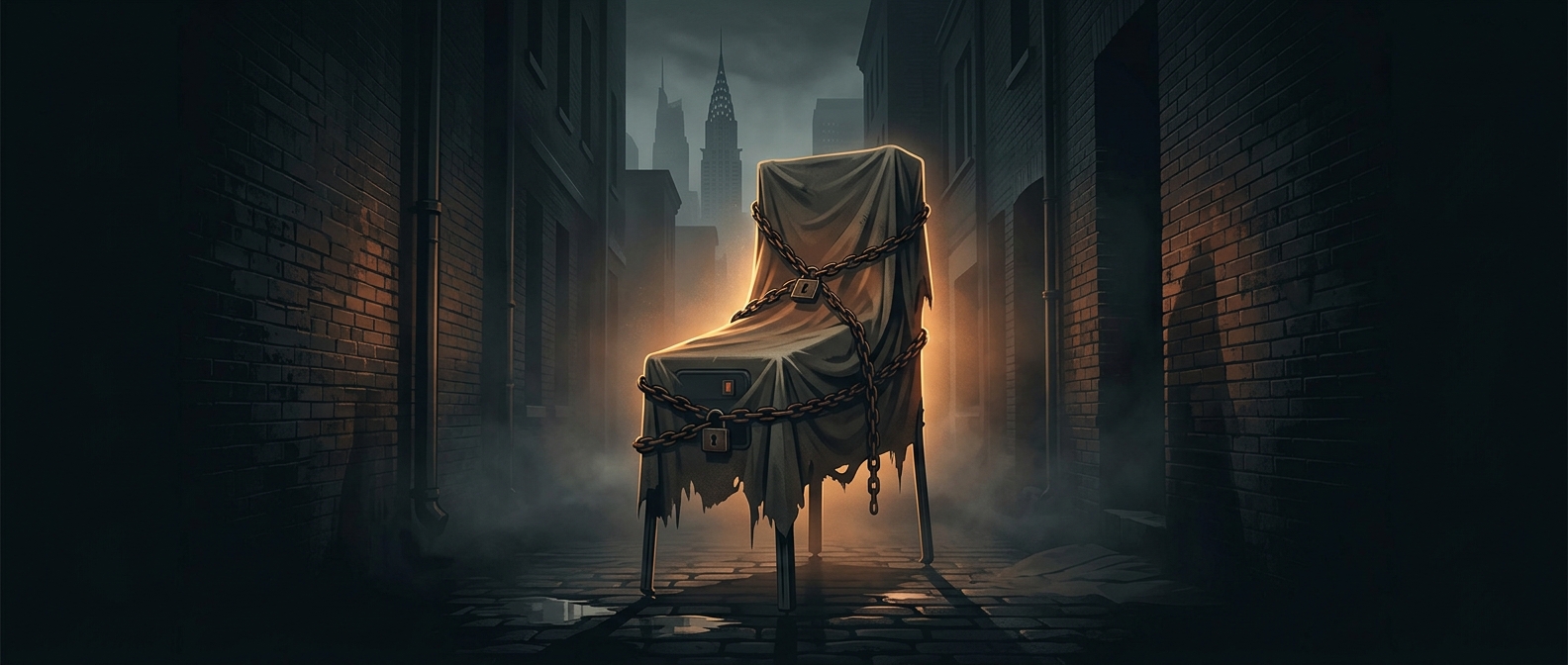
Mayor Fiorello La Guardia argued that the machines took money from children and encouraged idleness. The city outlawed them in 1942, and police seized machines from businesses. La Guardia’s public destruction of confiscated machines turned enforcement into a spectacle as well as a policy.
The machine changed; the law did not
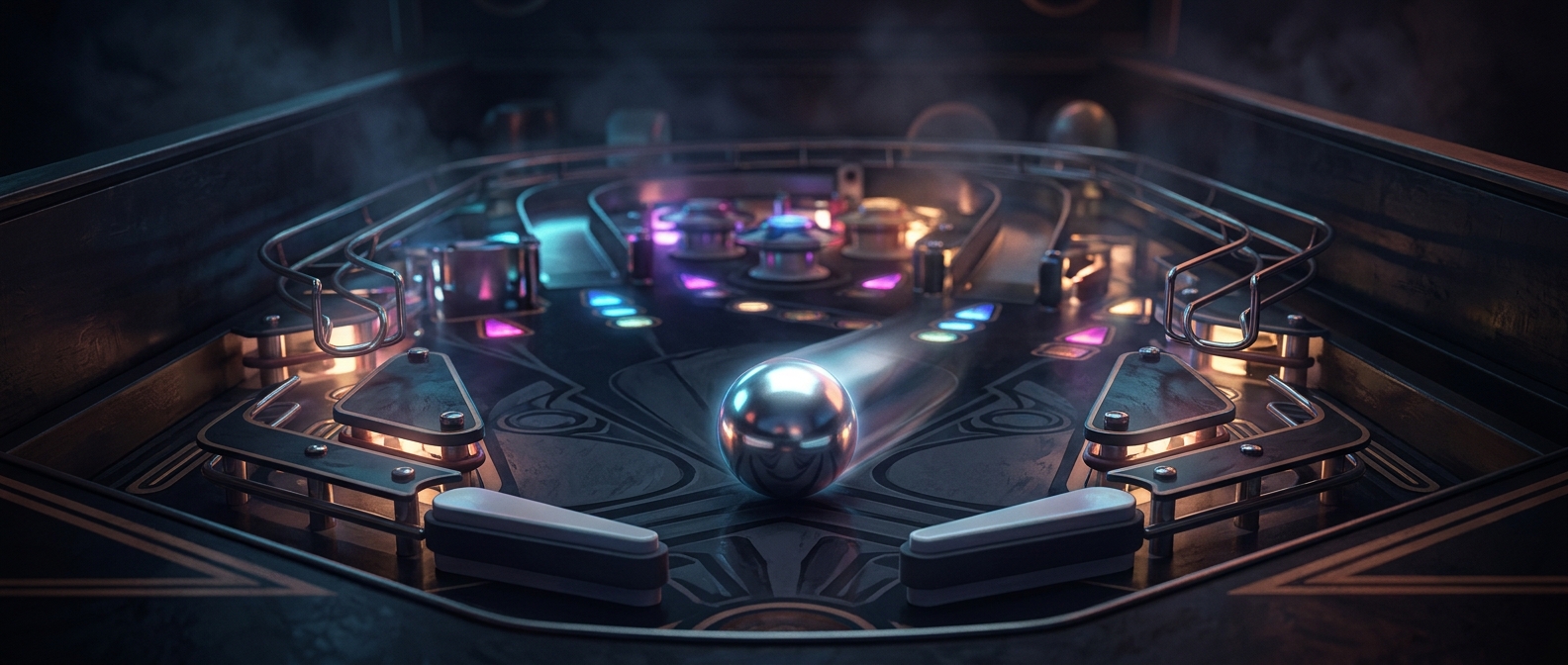
By the time the ban was challenged, pinball had changed. Flippers—player-operated paddles that strike the ball back into play—had become standard. A player could now influence where the ball went by timing and aiming shots, rather than merely waiting for gravity to decide its path.
That distinction mattered legally: if a player’s decisions could affect the result, pinball was easier to defend as a game of skill rather than a form of gambling. In 1976, player Roger Sharpe demonstrated this point before New York City lawmakers. His controlled shots helped persuade them that the modern game was not simply a machine of chance, and the city lifted its ban.
A demonstration with lasting consequences
The episode shows how a change in a game’s design can alter its public meaning. The flippers were not just a way to keep the ball in play; they gave players visible agency, making skill easier to recognize—and making a decades-old prohibition harder to justify. After New York legalized pinball, the machine could return to the city’s arcades and bars as entertainment rather than contraband.